
Introduction
A gelding suffering from severe malnutrition was presented to WVS and their partner organisation Equipo de Caballos de Quilmes, which supports the welfare of cart horses and education of their owners in Argentina. With adequate treatment and support, the horse was able to make a full recovery. This case illustrates the practical treatment of a collapsed horse to avoid re-feeding syndrome which can be a fatal complication of rehabilitating a fasted equine.
History
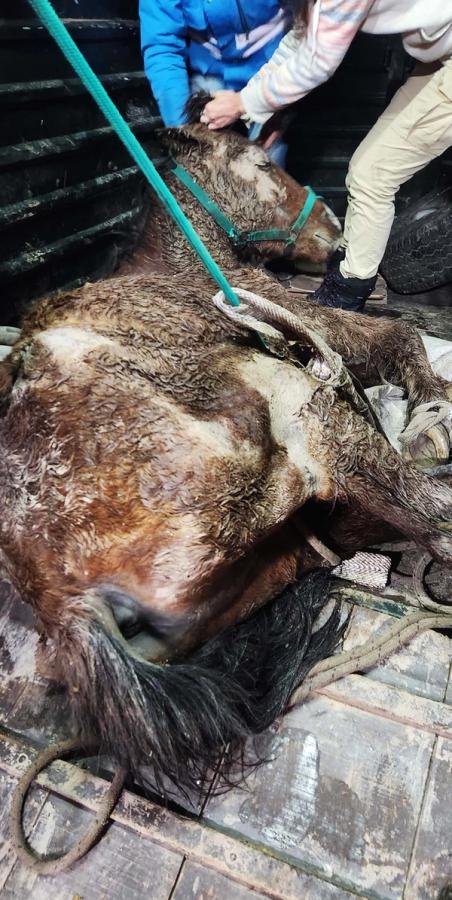
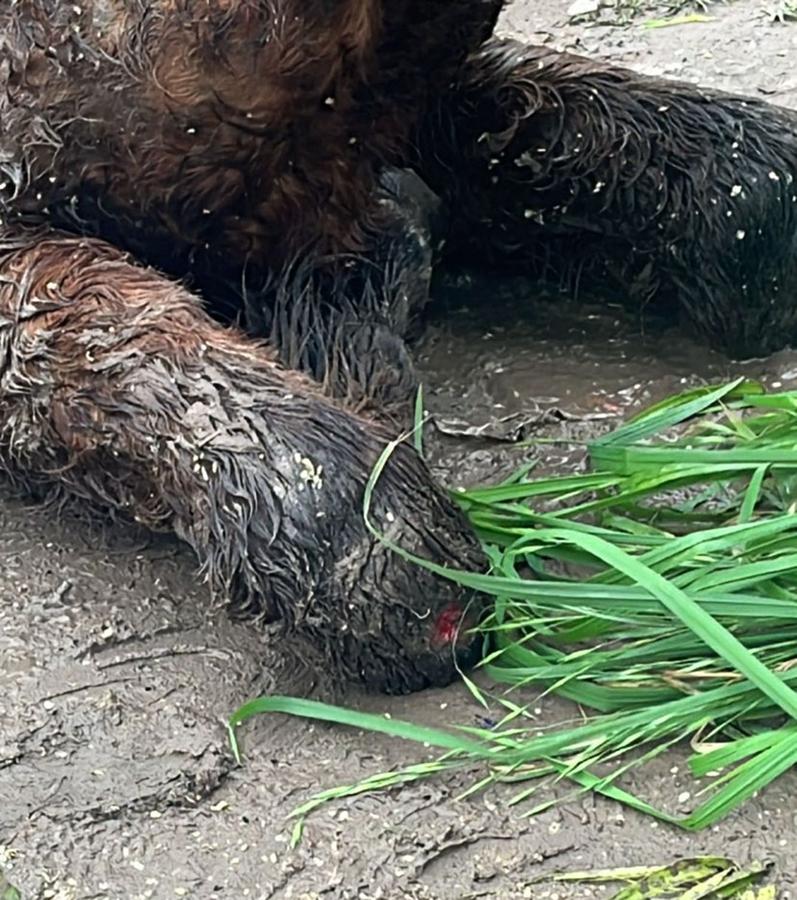
An 8-year-old gelding was presented in a critical condition due to malnutrition and neglect. He was used to pull a rubbish cart, and had collapsed in the street. He was rescued and carried to the hospital in a state of extreme weakness, unable to stand without assistance (figure 1).

Physical Examination
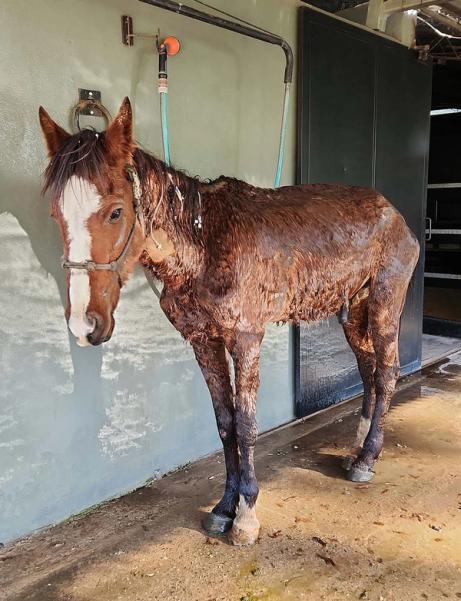
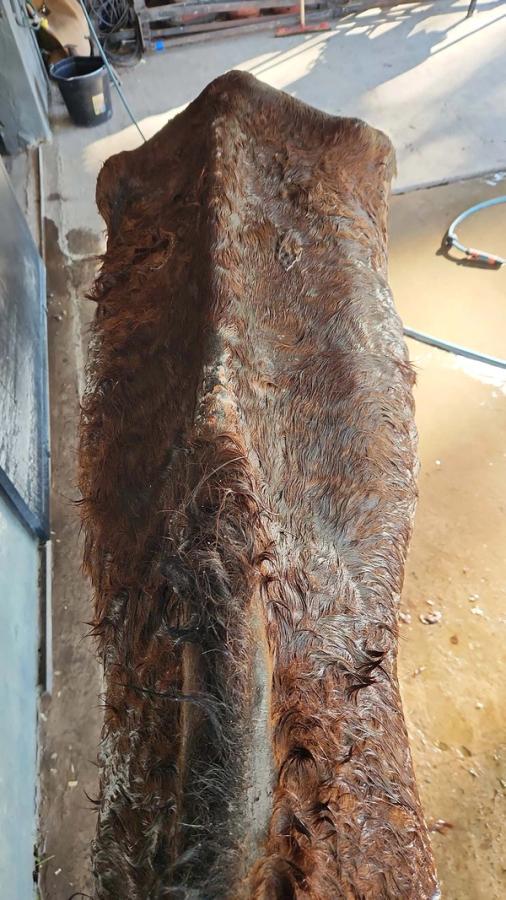
On admission, a complete clinical evaluation was performed. A body condition score of 1/9 was noted. There was marked, generalised muscle atrophy, a poor quality coat with abundant dirt and mud, and clearly visible bony prominences (figure 2) on which some open sores were present (figure 3).


📚 Read more on body condition scoring in horses and other vital parameters here
The patient was depressed, with decreased response to stimuli; he was hypotensive, hypothermic, and showed signs of severe dehydration (prolonged skin fold, dry mucous membranes, capillary refill time over 3 seconds).
Cardiac auscultation revealed mild compensatory tachycardia and intestinal hypomotility. The overall picture was consistent with severe starvation syndrome accompanied by hypovolaemic shock and secondary hypoglycaemia.
Diagnostic tests
Blood tests
A complete blood count and biochemical profile were performed, revealing:
- Marked anaemia (decreased haematocrit and haemoglobin), consistent with nutritional deficiency and possible previous parasitic infection
- Neutrophilia indicating response to infection
- Elevated liver enzymes (ALP, AST), suggesting liver involvement secondary to prolonged catabolic process
- Low albumin/globulin ratio indicating chronic inflammatory processes
Based on the selected results (tables 1 and 2), treatment with hepatoprotective agents was initiated, along with progressive dietary correction and periodic monitoring of liver values.
| Haematology | Sorgo | Normal range | |
|---|---|---|---|
| Packed cell volume | 23% | Low | 30-55% |
| Haemoglobin | 8.5 g/dl | Low | 11-19 g/dl |
| Red cells | 5.2 (x10>12/L) | Low | 6.8-12.5 (x10>12/L) |
| White cell total | 12.1 (x10>9/L) | 6.0-14.0 (x10>9/L) | |
| Neutrophil segmented | 84% | High | 22-72% |
| Lymphocytes | 10% | Low | 16-25% |
Table 1 Selected haematological results
| Biochemistry | Sorgo | Normal range | |
|---|---|---|---|
| ALP | 520 U/L | High | <400 |
| GGT | 15 U/L | 5-22 | |
| AST | 626 U/L | High | 233-366 |
| Albumin | 2.6 g/dl | 2.5-3.5 | |
| Globulin | 4.5 g/dl | High | 2.7-4.1 |
| Albumin/Globulin ratio | 0.6 | Low | 0.8-1.5 |
Table 2 Selected biochemistry results
Radiographs
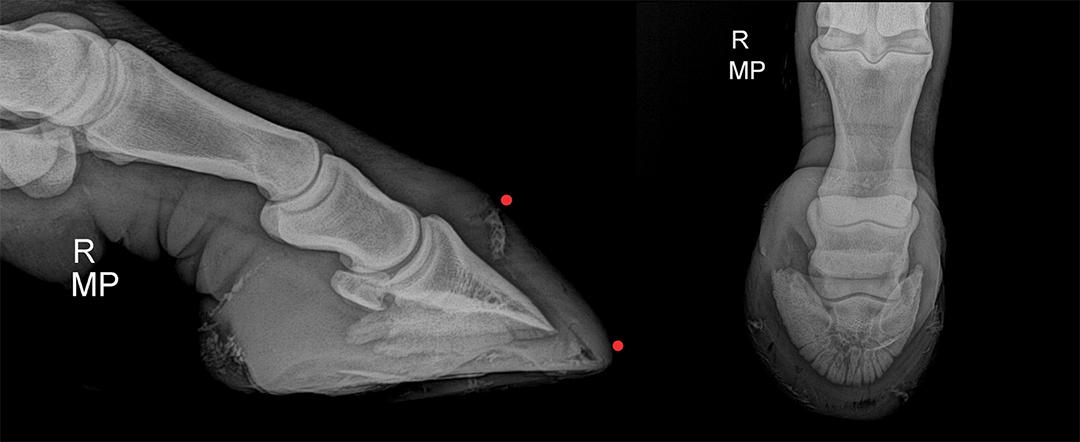
Radiographic studies were performed to rule out infection in the hoof of the forelimb, due to a horseshoe nail that was in sensitive tissue and, when removed, released purulent material. The hoof was cleaned and poulticed to drain infection. The radiograph showed a tract from the white line to the coronary band of the right fore hoof, but no involvement of the pedal bone (fig 4).

Treatment
Given the severity of his condition, haemodynamic stabilisation was prioritised. A catheter was placed in the jugular vein and intravenous fluids (normal saline) at (2 ml/kg/hour) was performed to restore blood volume. Thermal blankets, hot water bottles and shelter in a controlled environment were used to try to raise his temperature.
Once vital signs were stabilised, a gradual refeeding protocol was implemented, designed to avoid refeeding syndrome; a common metabolic complication in cases of severe malnutrition. Sorgo started with an intake of 1% of body weight (BW) of good quality alfalfa hay, increasing by 0.5% of BW per week until it reached 3% of BW. At the same time, vegetable oil was added as a safe energy source, along with vitamin and mineral complexes to correct accumulated nutritional deficiencies.
📚 Read more about Refeeding in the WVS article here.
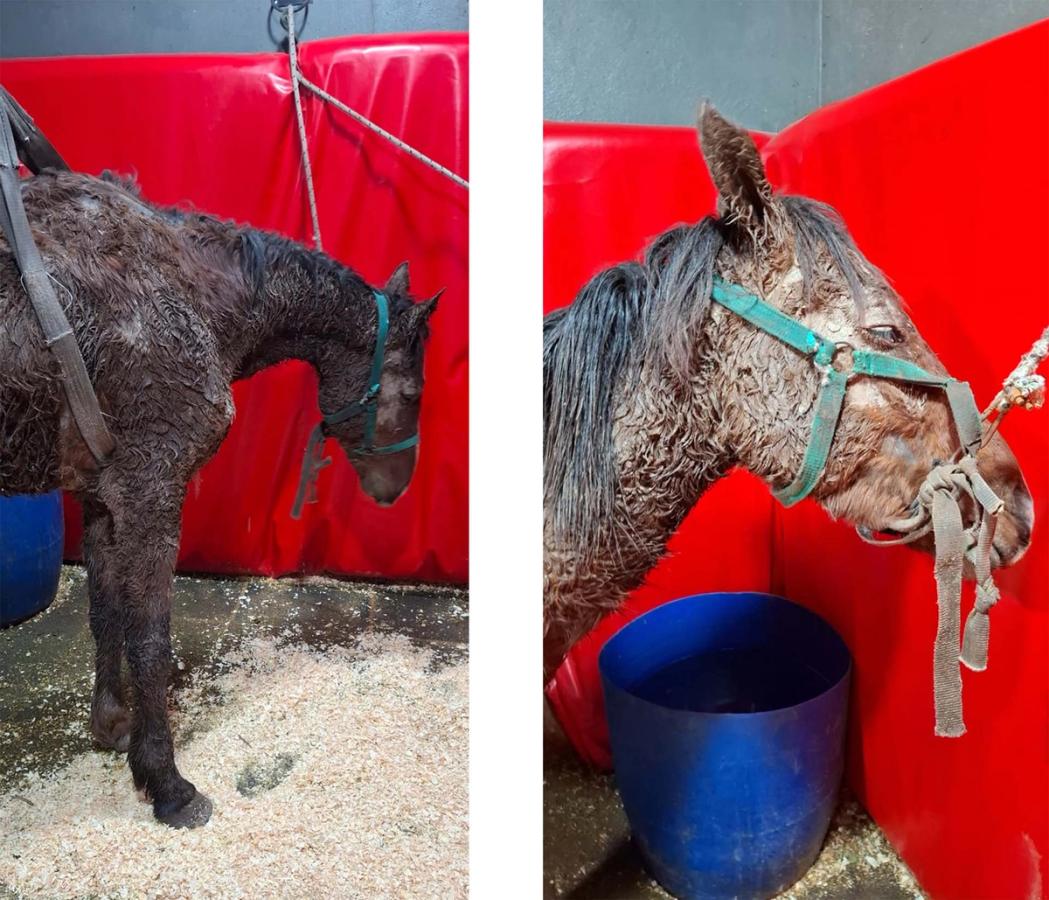
During the first few days, Sorgo was unable to stand up on his own, so a winch and constant assistance were used to keep him in position, thus stimulating circulation and muscle function (figure 5). Massages and passive exercises were performed on the limbs to prevent contractures and promote perfusion.

Progress
During the first 10 days, Sorgo showed gradual and favourable progress. Intense nursing care was required to monitor appetite, ability to urinate and defecate and treat surface wounds. Sorgo was placed in a deep sawdust bedded stable with easy access to water and forage.
On the 14th day of hospitalisation, Sorgo was able to stand up without assistance, demonstrating improved muscle strength (figure 6).

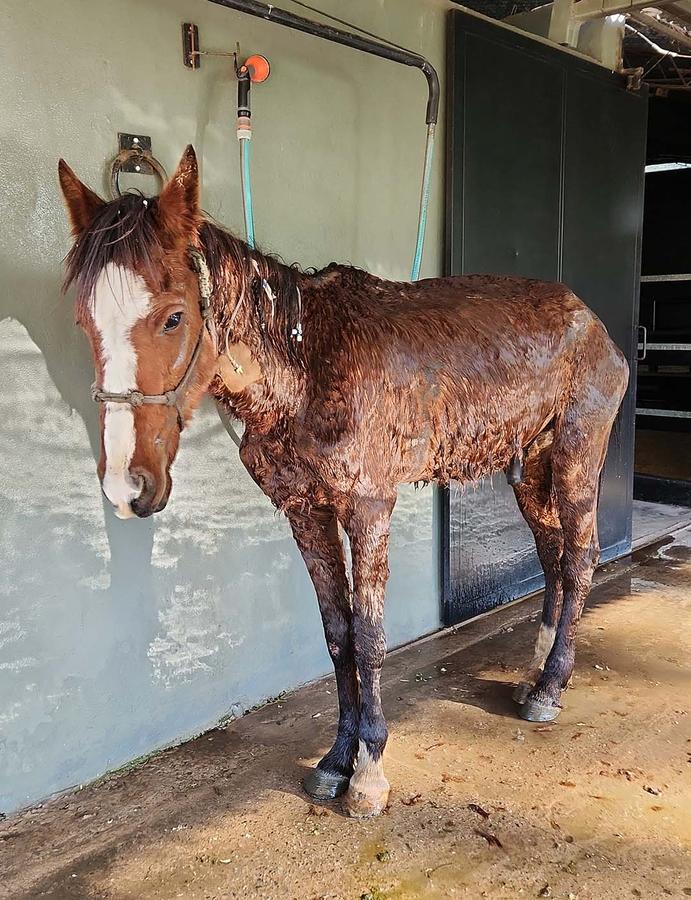
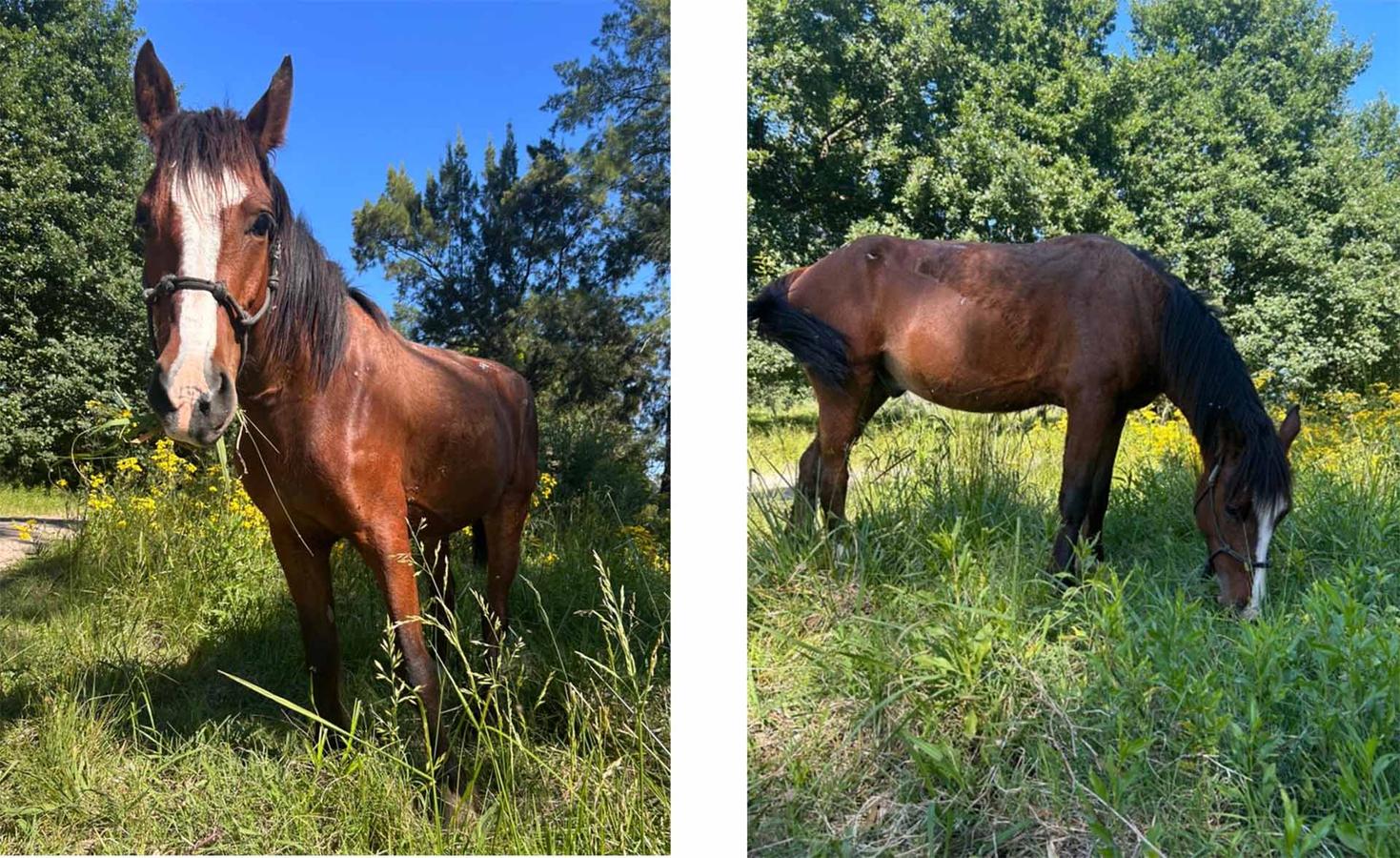
In the following weeks, progressive recovery of body mass and improvement in overall appearance were observed. Body condition improved from 1/9 to 3/9 at the end of the first month of treatment, demonstrating the effectiveness of the protocol implemented. He eventually regained full mobility and weight (figure 7).

Discussion
This case illustrates the importance of a good clinical exam when dealing with a collapsed horse. Sorgo was extremely underweight and cachexic, but in addition had a wound to his right fore hoof that needed urgent treatment.
Correct care involved a cautious approach to feeding Sorgo as he recovered to prevent the dangerous occurrence of refeeding syndrome, where a rapid increase in glucose leads to an insulin spike and a drop in essential minerals phosphorus, potassium and magnesium that affect cardiac contractility and muscle function.
WVS continues to provide education clinics and support to the owners of the cart horses and to veterinary students and vets to further their ability to treat such cases.
Acknowledgements
With thanks to Dr. Julieta Manriquez DVM, Chief Veterinarian of Caballos Quilmes and Dr. Horacio Terzioti DVM, Internal Medicine and Anesthesiology, Universidad Nacional de La Plata, Caballos Quilmes for their work treating Sorgo and their input on this case report.
Suggested Reading
Kivett, L. (2018). Equine Rescue and Rehabilitation: How to Deal with Starved, Unwanted and Abandoned Horses and Work Effectively with Law Enforcement, Animal Control, and Rescue Organizations. In AAEP (Ed.), American Association of Equine Practitioners (AAEP) 64th Annual Convention. https://aaep.org/wp-content/uploads/2024/01/Kivett-Equine-Rescue-Rehabilitation.pdf