

Canine Parvovirus (CPV) is a highly contagious and common virus seen most frequently in young dogs under 1 years of age, with the most susceptible being between 6 weeks and 16 weeks old.
Pathogenesis
Parvovirus is a non-enveloped, single stranded DNA virus that is highly resistant and durable in the environment outside of the host. It is resistant to most common detergents/disinfectants, changes in temperature, and pH, and can persist for months to even years if protected from sunlight or desiccation.
The virus is shed in the faeces of infected dogs after 4-5 days of exposure and often before clinical signs develop. They can continue to shed up to 10 days after they have recovered clinically. CPV is transmitted through direct oronasal contact with faeces or indirectly through contact with matter that is contaminated with the virus.
CPV traditionally infects and destroys the cells of the small intestine and bone marrow. Its effect on the cells of the small intestine can result in impaired absorptive ability and a disrupted intestinal barrier function. This can result in normal gut bacteria entering the blood stream and causing a bacteraemia.
Trans-placental transmission, or in pups under 8 weeks born to a bitch that has no antibodies to CPV herself, can result in myocardial infection, necrosis, and myocarditis; this presents as acute or progressive cardiac failure, with or without enteritis.
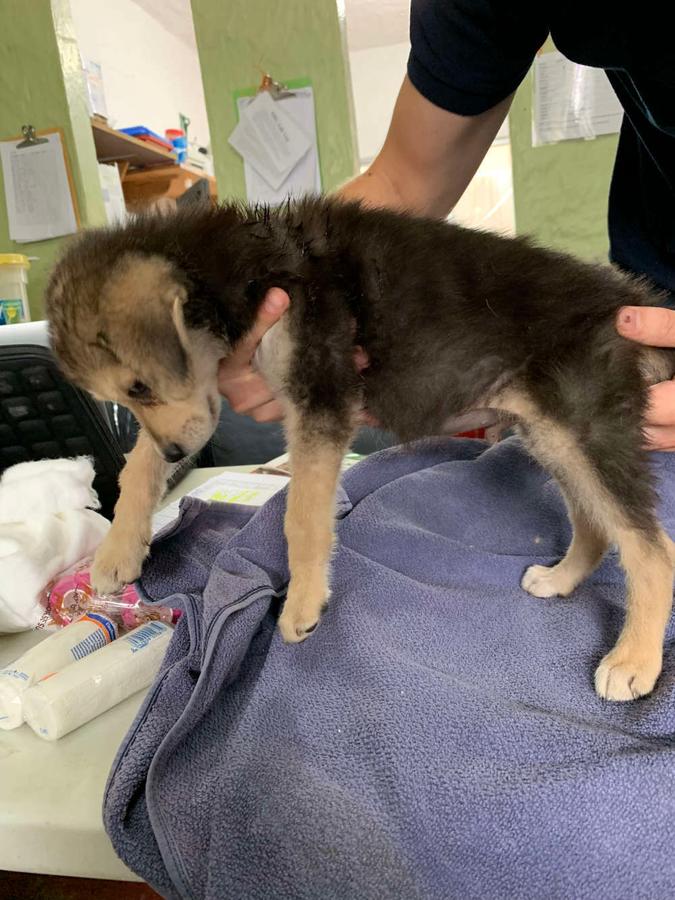
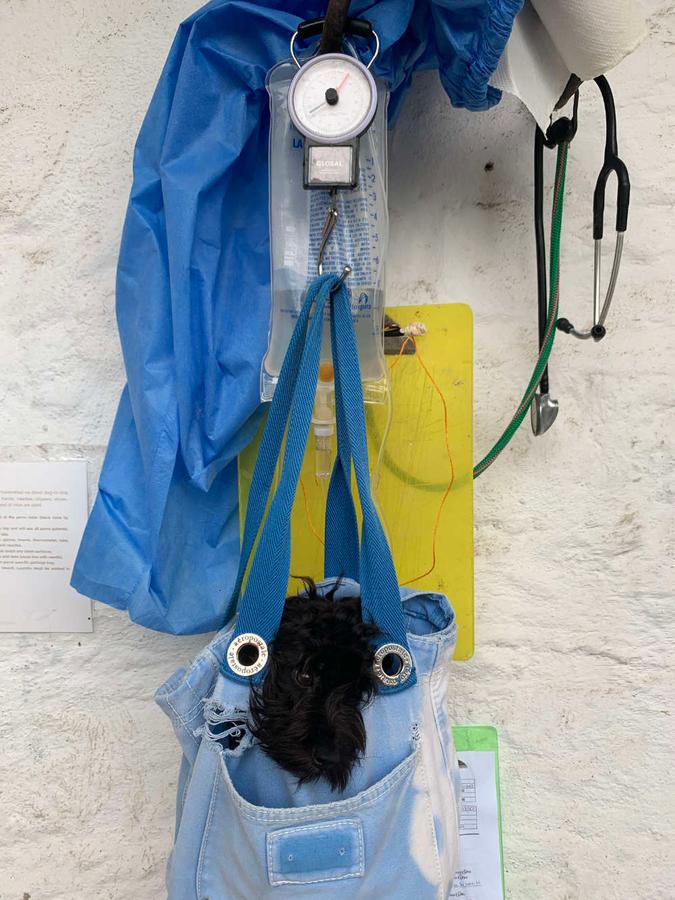
Clinical presentation
Dogs that are not vaccinated, or of ages 6 weeks to 6 months, are most susceptible to CPV. The clinical signs of the disease are as follows:
- Vomiting — usually the first clinical sign;
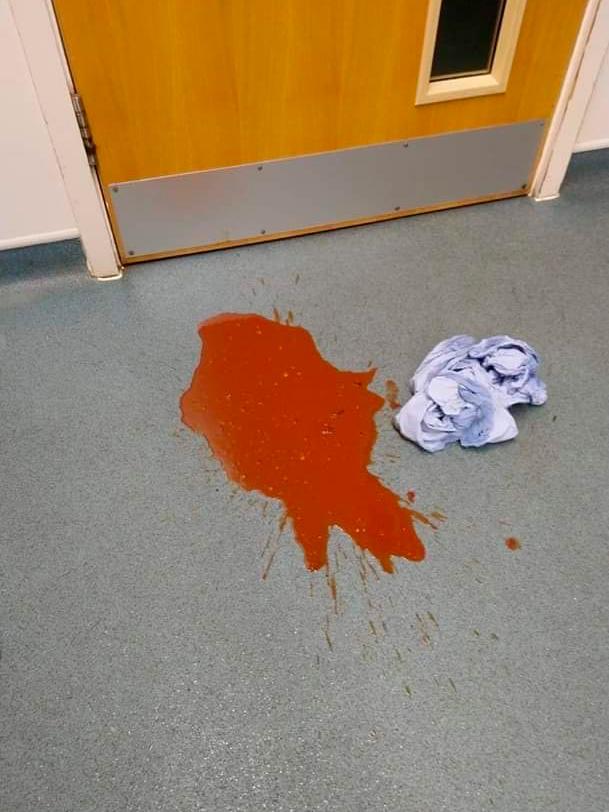
- Diarrhoea — may contain mucus or blood, and have a strong smell (see image below);
- Anorexia;
- Depression/lethargy;
- Pyrexia.
Diagnosis
The diagnosis is often challenging as the clinical signs are not dissimilar to a number of other infectious causes of vomiting and diarrhoea. A positive confirmation for CPV requires the presence of the virus in the faeces or detection of antibodies in the blood serum. To support a diagnosis of CPV, take into account:
- Age and vaccination status of the dog;
- Clinical presenting signs;
- A leukopaenia;
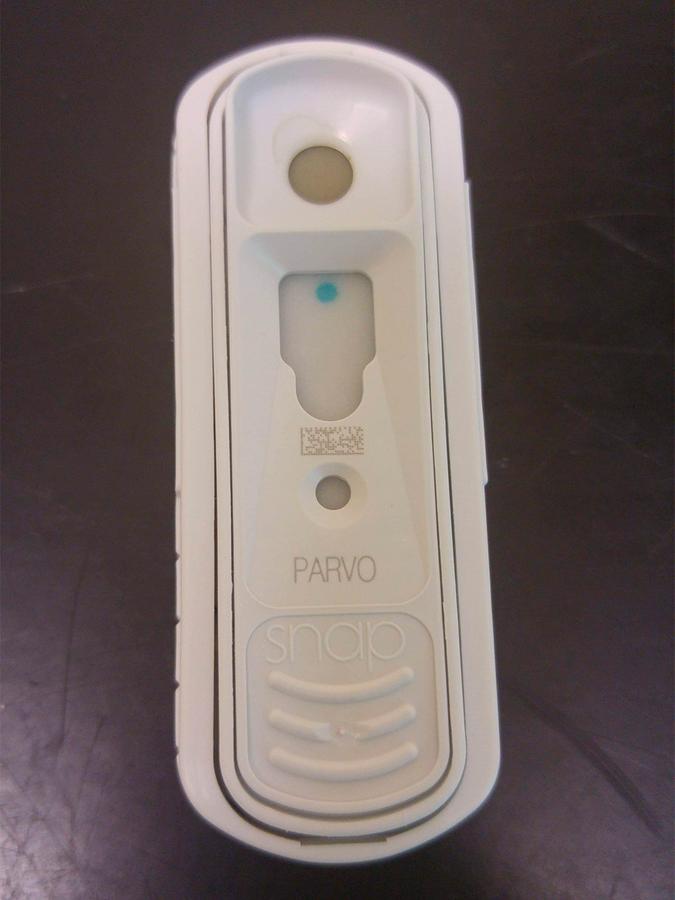
- A SNAP Parvovirus ELISA test (this test has an 80% sensitivity).
Treatment
Treatment for parvovirus infection must be aggressive to combat the severe clinical signs that can lead to high morbidity and mortality.
There is no treatment that kills the virus directly. Therefore, the aggressive treatment you would undertake for severe gastrointestinal disease would often be the same, whether CPV was the underlying cause or not.
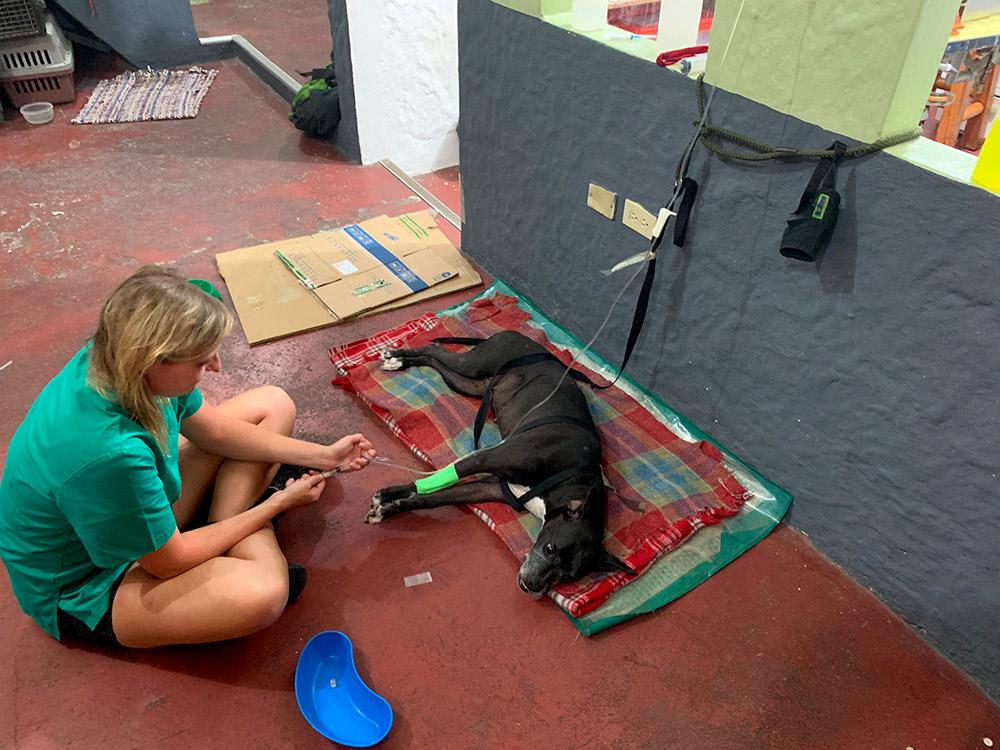
Treatment must be aggressive and supportive; its focus is on managing dehydration, electrolyte loss and prevention or treatment of bacteraemia/septicaemia following translocation across the damaged intestinal lining. The following are the mainstays of treatment with appropriate options for each category:
- IVFT – correct fluid imbalances and electrolyte losses
- Hartmanns Solution or Lactated-Ringers Solution
- 0.9% sodium chloride
- Antibiotics For gastrointestinal disease, the value behind the use of antibiotics has been questioned due its long-term effects on the microbiome of the gut flora. Therefore, its use should always be properly considered and depend on the severity of the clinical signs. However, the effect CPV has on the intestinal lining and the high risk of septicaemia from bacteria translocation is justification.
- Co-amoxiclav (amoxicillin-clavulanic acid): 8.75-20mg/kg IV every 8-12 hours
- Metronidazole: 10-15mg/kg slow IV infusion every 12 hours
- Analgesia ❗ NSAIDs are strictly contraindicated in gastrointestinal disease and should not be used for their analgesic properties.
- Buprenorphine: 0.02mg/kg IV every 6-8 hours
- Methadone: 0.1-0.3mg/kg IV every 4-6 hours
- Paracetamol: 10-20mg/kg IV every 8 hours. Paracetamol should not be the first choice for analgesia in general, but is used here where NSAIDs are not appropriate, and where pain and discomfort must be managed successfully using multimodal analgesia.
- Gastroprotectants Omeprazole is widely considered to be the drug of choice for hospitalised patients, although ranitidine is more widely accessible and far cheaper for environments where that is an important factor.
- Omeprazole: 1mg/kg IV or PO every 12-24 hours
- Ranitidine: 2mg/kg IV slowly every 8-12 hours
- Anti-emetic
- Maropitant: 1mg/kg IV or SC every 24 hours
- Anti-spasmodic Anti-spasmodics are not critical in these cases, and may only be used to alleviate pain caused by GI spasms. It is often considered more favourable to allow the intestines to expel the diarrhoea during the early stages of the disease, and so buscopan is not often used for hospitalised patients with CPV.
- Buscopan Compositum: 0.1ml/kg IV every 12 hours
❗ Note all these drug doses provided are for the intravenous formulations ONLY. The drugs highlighted in green are often considered first-line immediate treatment for any hospitalised patent showing signs of CPV.
Prognosis
If diagnosed and treated early with aggressive, supportive therapy, survival rates are often high and the animal is able to recover fully.
Prevention
Vaccination is the key to preventing this disease. Younger puppies may have received a degree of protection from material antibodies which will help prevent disease until their immune systems have developed fully to combat future infections. If these maternal antibodies reduce before their immune systems are fully mature, they may become susceptible to infection. Vaccinating puppies helps reduce incidence of infection; however, as maternal antibodies can also interfere with vaccinations, all puppies should receive a vaccine between 14-16 weeks of age, regardless of any previous vaccinations, to ensure full protection (1).
Due to CPVs' high degree of resistance to multiple disinfectants in the environment, keeping the environment clear of the virus is challenging. Diluted chlorine bleach is the most effective household chemical that can kill CPV.