

Two primary approaches to surveillance are active and passive methods, each with unique strengths and limitations.
Active Surveillance
Active surveillance involves proactive efforts to identify and document rabies cases. Trained personnel systematically seek out suspected cases of rabies in dogs and other animals, often by visiting communities, veterinary clinics, and high-risk areas. This approach includes direct field investigations, collection of diagnostic samples (such as brain tissue for testing), and active engagement with local populations to uncover cases that might otherwise go unnoticed.
Active surveillance is particularly valuable in regions where rabies is underreported due to lack of awareness or infrastructure. It provides a more accurate picture of the disease's prevalence, helping authorities target interventions more effectively. For example, active surveillance can reveal hotspots of rabies transmission and guide dog vaccination campaigns. However, it is resource-intensive, requiring significant investment in trained personnel, laboratory capacity, and logistics. This can be a challenge in resource-constrained settings.
Passive Surveillance
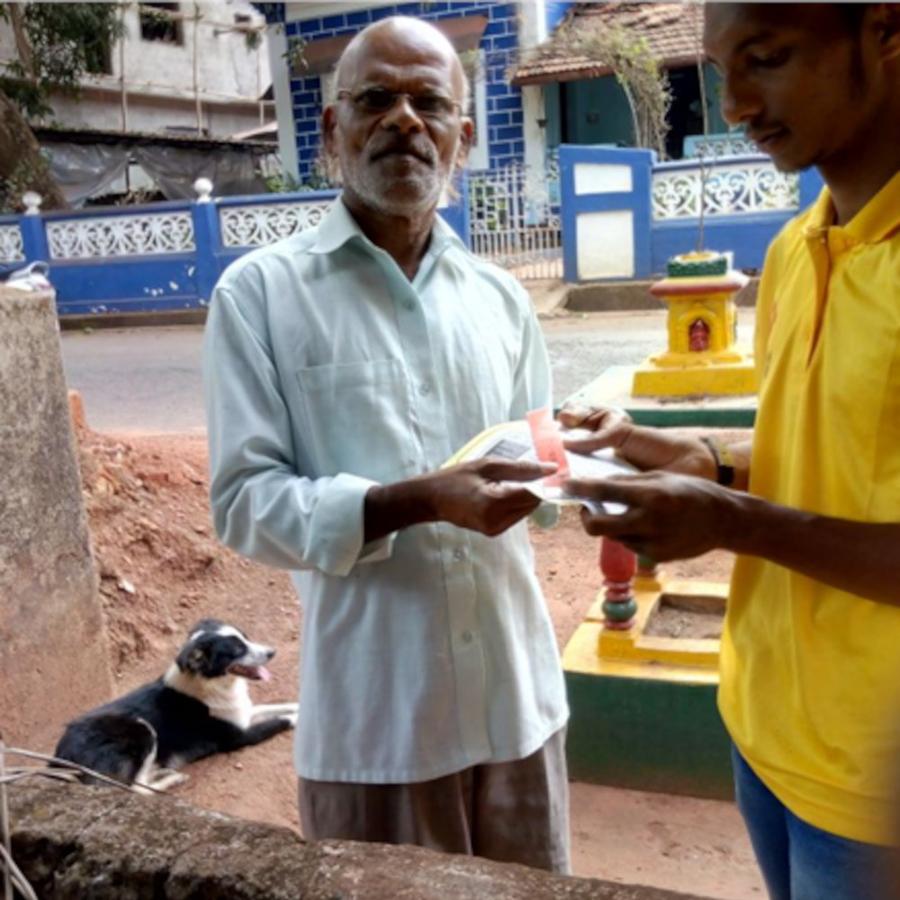
In contrast, passive surveillance relies on reports of suspected rabies cases or incidents, such as dog bites, from the public, veterinary workers, or healthcare providers. This method is often the first line of defense in rabies surveillance programs because it depends on the existing network of clinics, hospitals, and community leaders to report cases.
While passive surveillance is less costly and simpler to implement than active surveillance, it has inherent limitations. Underreporting is common in many endemic countries due to limited awareness of the disease, inadequate access to veterinary or medical services, and cultural barriers. As a result reliance on passive surveillance methods can can significantly underestimate the true burden of rabies. Strengthening passive surveillance requires raising public awareness, training frontline workers, and ensuring access to diagnostic facilities for confirmation of suspected cases.
Complementary Approaches
To maximize effectiveness, dog rabies-endemic countries should combine active and passive surveillance strategies. Active surveillance can fill gaps and improve data accuracy, while passive surveillance can provide a cost-effective, sustainable foundation for long-term monitoring. Strengthening both systems is part of the integrated bite case management (IBCM) method.