

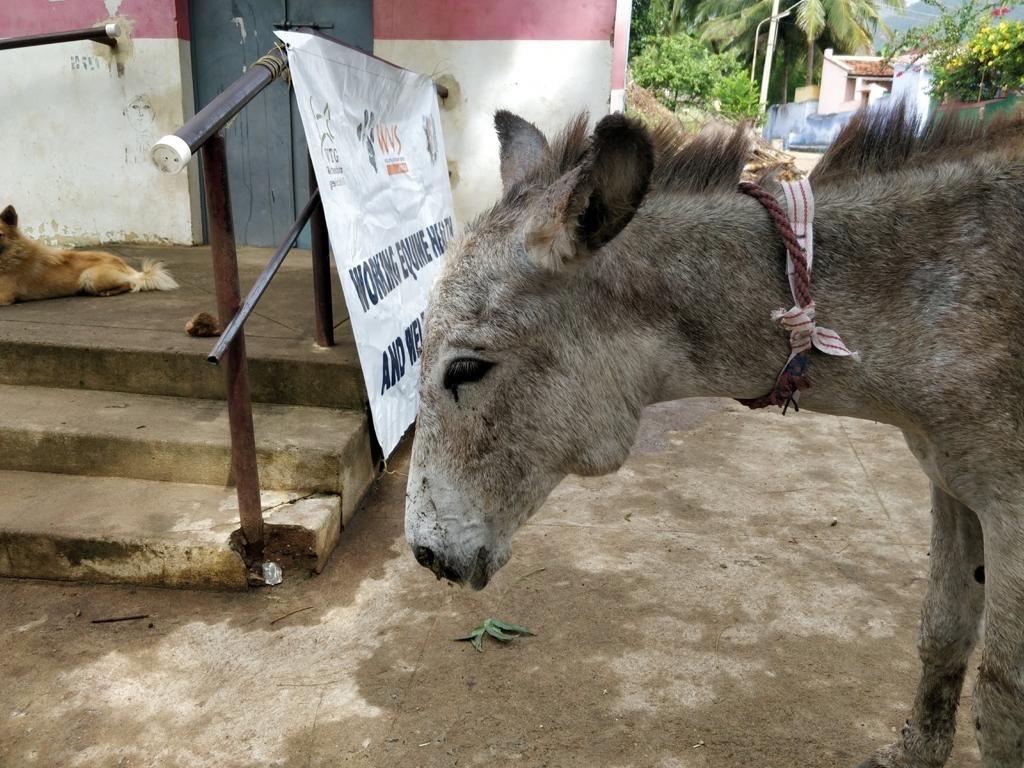
Bacterial infections are frequent amongst equines, especially amongst weak or immunocompromised animals, as bacteria are present everywhere in the environment. Exposure to most microorganisms does not trigger disease unless the animal's immune system is weakened and the bacteria is able to replicate and spread throughout the body. The immune system may be weak in young or elderly animals, as well as debilitated, stressed, malnourished animals and those recovering from viral or fungal disease.
Common clinical signs caused by bacterial infections include: gastrointestinal symptoms (such as diarrhoea), respiratory disease (coughing, runny nose) and fever, which is usually causes lethargy. Some examples of pathogenic bacterial diseases are tetanus, salmonella and strangles. The source of bacteria is usually contaminated water, food, faeces or body fluids from ill animals. Therefore, the single most important preventative measure is good cleaning practice. Here we will cover some of the more common bacterial infections encountered in equine practice.