

Ectoparasites (those that are found on the outside of the body) cause severe welfare issues for equines, arising from pruritis and self-trauma, secondary infection and through the transmission of disease. Unfortunately, indiscriminate use of chemicals that aim to eradicate ectoparasites also damage the ecosystem and non-target species, and have cumulative long-term effects.
📚An excellent reference on this topic can be found here
The aim of this section is to provide information to help reduce the numbers and effects of parasite issues, and also to consider how to do this in a way that minimises harm to the environment. This article covers the main ectoparasites of concern and the basics for responsible treatment options. Specific parasites are also covered in other sections on skin disease in the WVS academy. We cover:
- The basics of responsible treatment
- Flies
- Lice
- Mites
- Midges
The basics of responsible treatment
The chemicals used to control ectoparasites on equines have adverse effects on large numbers of non-target insects and aquatic life. Many drugs have prolonged residue times for excretion via faeces and remain in the ground or water for prolonged periods of time (see table 1). Some chemicals used result in human side effects due to inhalation (spray-ons) or topical irritation. Adequate PPE may not be available in all situations especially when dealing with working equines, and people treating large numbers of animals may suffer from high or prolonged exposure.
| Drug | Use | Persistence in environment |
|---|---|---|
| Fipronil (‘Frontline’) | Feather mites | Up to 7 months |
| Doramectin | Feather mites | Up to 60 days excreted in faeces |
| Ivermectin | Mites/lice | Up to 180 days |
| Moxidectin | Mites | Up to 75 days |
| Permethrin/Cypermethrin | Lice/ Flies/Midges | 40/ 70 days in soil |
Table 1 Environmental persistence of commonly used equine ectoparasiticides
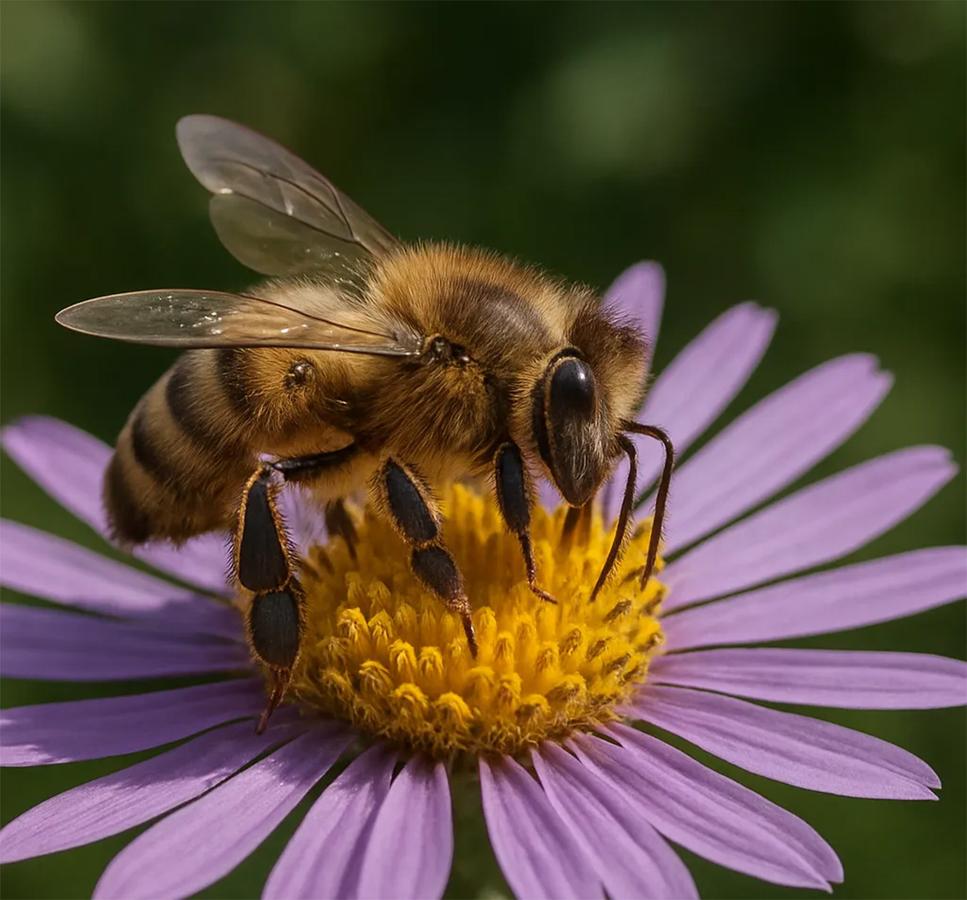
Environmental contamination is linked to the deaths of pollinators including bees, which is of particular concern as these insects are considered to be responsible for pollinating to up to a third of the food needed for human existence. Chemicals used for the control of ectoparasites in companion animals (which are also used ‘off-label’ in equines) have been found in the majority of UK rivers, leading to deaths of aquatic life and bioaccumulation in fish. On land, insecticide residues are responsible for a large decline in beneficial coprophagous insects, in particular dung beetles that recycle faeces into organic fertiliser and aerate the soil.
As a result of these considerations the following guidelines should be followed:
- Target the use to confirmed cases and in-contacts only. Aim to make a diagnosis where there is insect related pruritis and only treat the necessary cases
- Do not wash equines after using topical insecticides
- Mop-up spills and dispose in waste (not down drain); use material such as paper or shavings to soak up any residues rather than washing them into watercourses
- Do not wash out packaging
- Wear gloves rather than hand washing, and dispose of the gloves in general waste
- Remove faeces from treated animals from any enclosed paddocks where possible to protect dung beetles, until peak excretion of the chemical has passed
- Minimise topical product use and only use where absolutely necessary
Flies
Flies cause a number of welfare issues including:
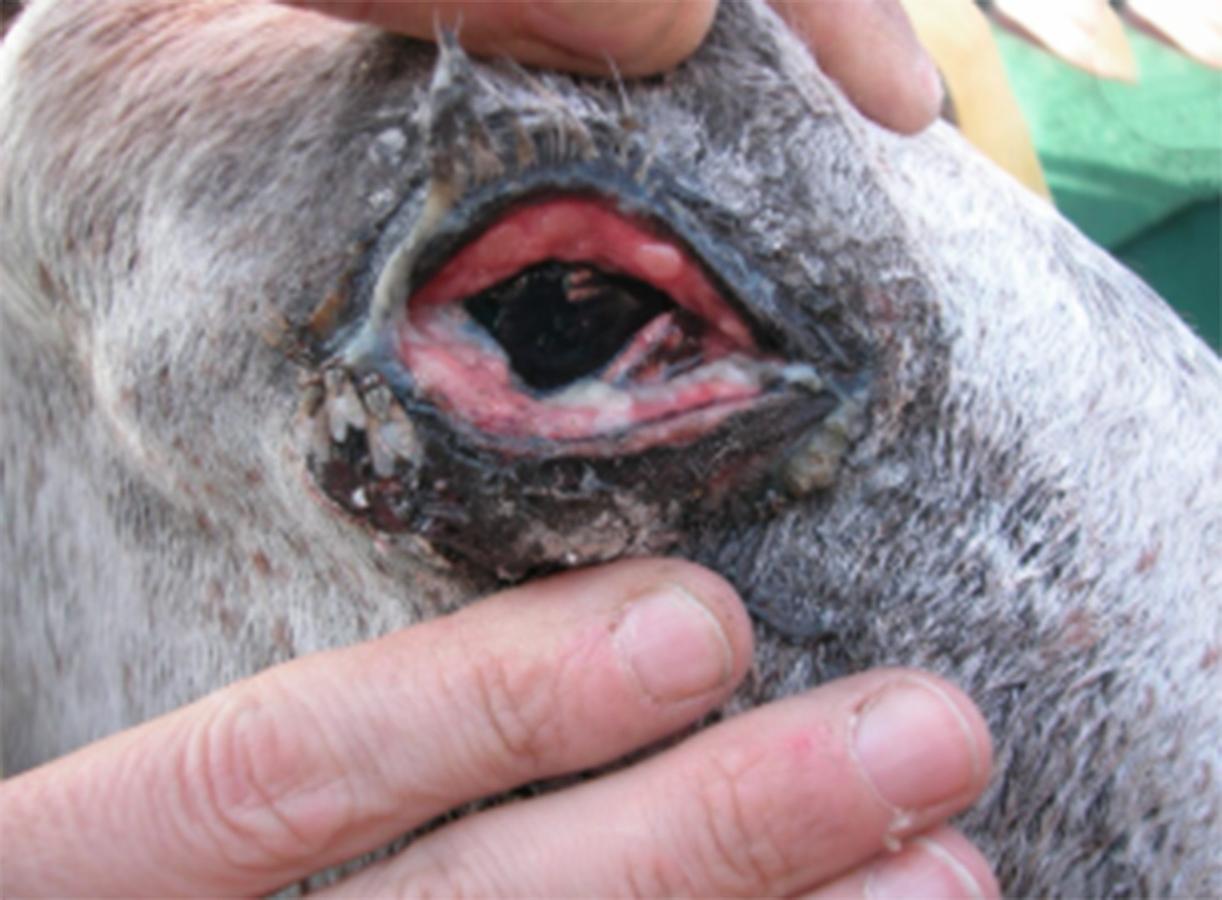
- Fly dermatitis particularly on lower limbs and around the eyes (figure 1)
- Fly worry; a behavioural response to fly predation that results in anxiety, distress, agitation, weight loss and aggression
- Secondary infections at sites of trauma
- Spread of disease contributing to conjuctivitis, habronemiasis, sarcoid spread, EZL transmission and wound infection
Non-chemical methods of control include:
- Reduction and removal of breeding habitats which are typically moist and warm with organic matter such as faeces. Cleaning stables, burning manure, ‘poo-picking’ from paddocks are all effective
- Physical protection of the equine from flies using rugs, face masks, leg wraps etc
- Fly traps; these can also trap ‘good’ insects so need careful management
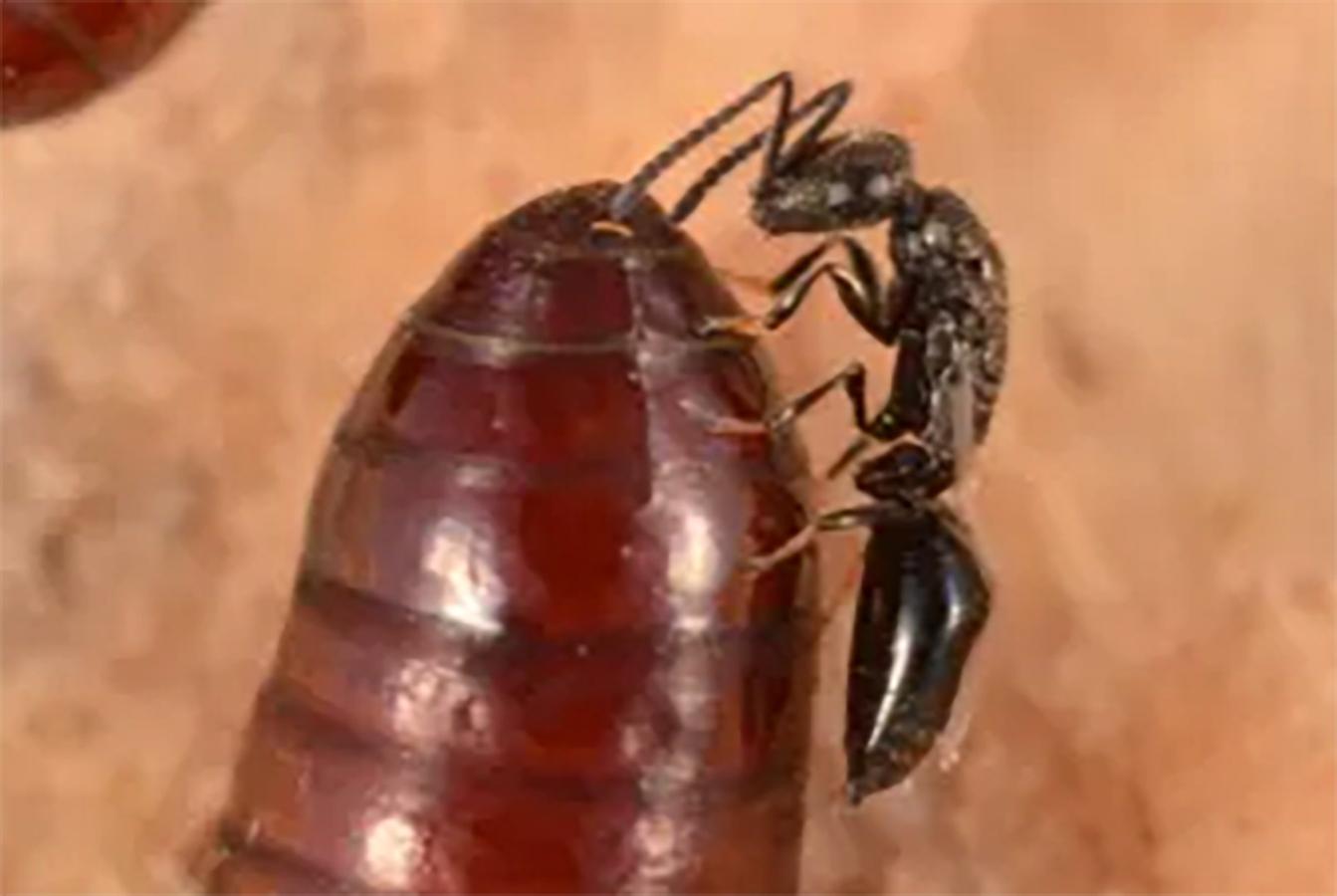
- Biological control using commercially available parasitic wasps and mites that predate fly larvae (figure 2)
📚 This paper describes the use of management changes, traps, and biological control to reduce flies among a large population of donkeys
Lice
There are two types of lice that affect equines which are: Bovicola equi/Damilinia equi, the ‘chewing louse’ that feeds on dander (skin flakes) and Haematopinus asini, the ‘biting louse’ that feeds on blood and bites the host. Ideally the species of lice can be identified as while topical treatments will reduce louse numbers for both species, systemic treatments will have no effect on chewing lice.
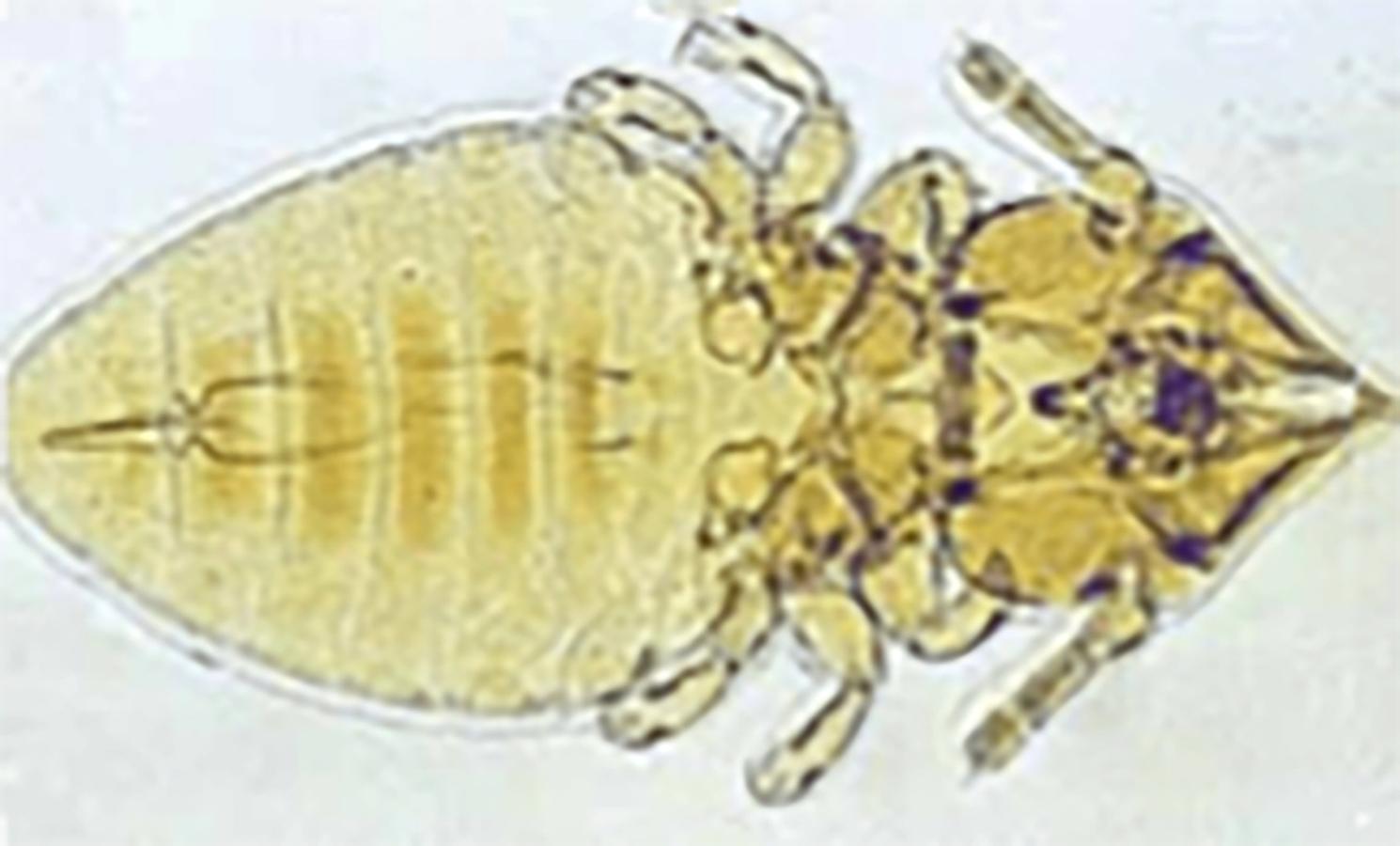
Figure 3 Damilinia equi; the chewing louse
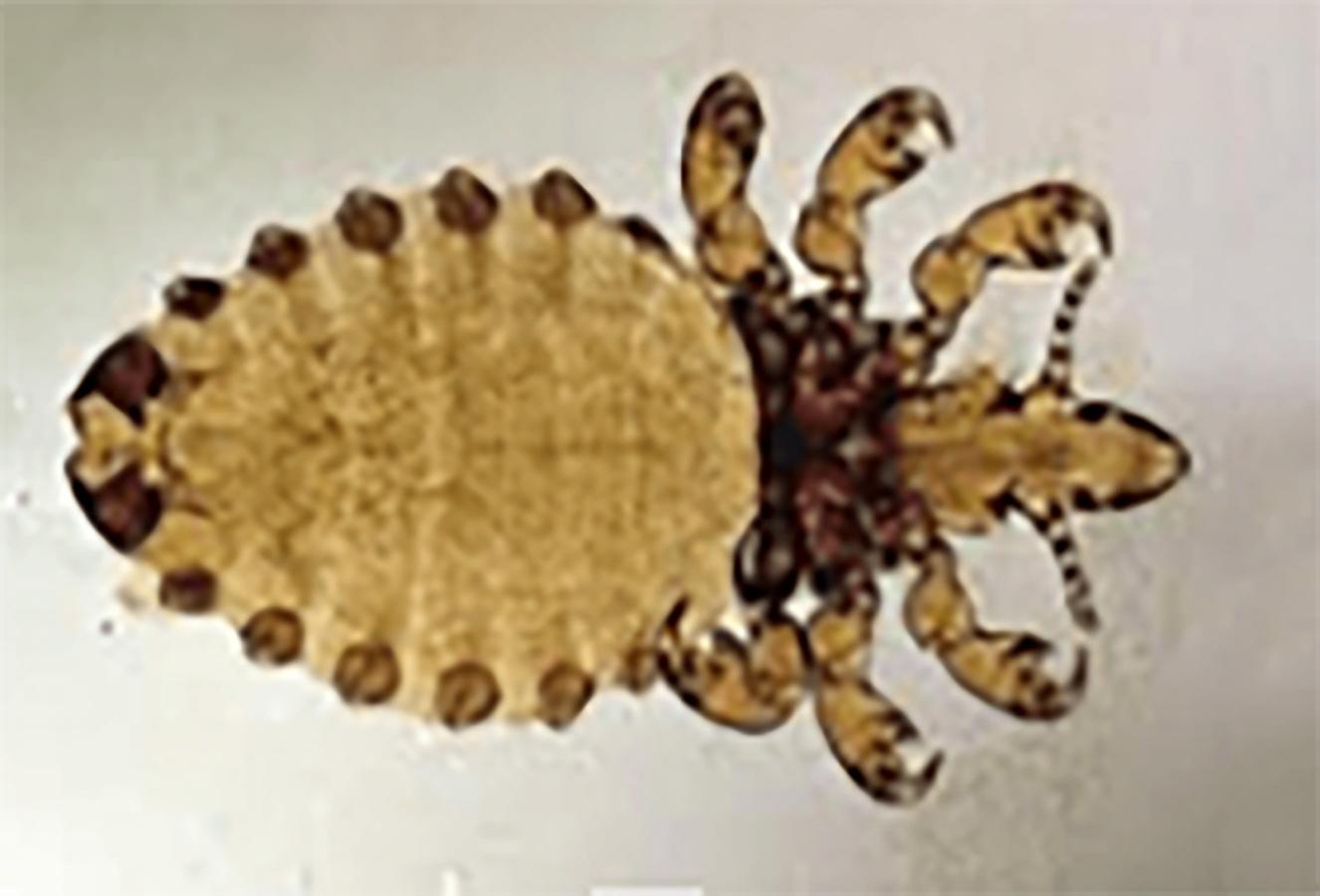
Figure 4 Haematopinus asini; the biting louse. Note the pointed head and mouth parts
Non-chemical methods of control include
- Clipping the coat to keep it short; lice prefer warmer habitats
- Bathing and using coat conditioner; lice find it harder to breed in clean hair
- Isolate new individuals to a group and remove their lice before mixing with a larger herd
- Clean rugs, grooming kits and shared utensils regularly
- Clean the environment; lice can survive off the host for 2–3 weeks
- Subdivide large groups of equines
- Separate the young and geriatric/immunosuppressed; these will be more likely to have large burdens and clinically be the worst affected
- Essential oils; these are chemical products but used as ‘coat conditioner’ products containing tea tree oil (5% v/v) have been proven to reduce the populations of chewing lice in donkey populations. These products must be applied to the whole coat and repeated in 10–14 days. People applying the products should use PPE, and a patch test is useful to check the sensitivity of the equine before use
📚 Lice take longer to develop resistance to essential oils than to many synthetic chemicals, due to the wide range of volatile oils present in these compounds
Mites
There are a wide number of mites that affect equines typically causing lower limb pruritis in heavily feathered breeds, or migrating over the body in some cases where there is underlying immunosuppression. A number of chemical methods of control are typically used including injectable and topical treatments. Topical washes or sprays involving Ivermectin or Fipronil are highly likely to contaminate pastures and watercourses, although these may be needed to reduce mite population; ideally ongoing care can include non-chemical prevention.
Non-chemical methods of control include
- Clipping lower limbs of feathered horses
- Keeping limbs dry and away from excess mud
- Bathing lower limbs; the mites feed on dander so sebolytic shampoos — that remove excess skin scale — reduce the food source for the mites
- Application of aqueous creams; a moist, healthy skin provides a good barrier to parasites
- Application of repellant safe oils; the oils prevent mite feeding e.g. liquid paraffin and sulphur
- Nutritional support to ensure the skin is in good health; Vitamin B3 and essential fatty acids are considered useful
- Cleaning the environment to reduce mite populations
Midges
The bites of Culicoides species cause intense pruritis to some equines - known as ‘sweet itch’ - and the midges can also act as vectors of disease for African Horse Sickness and West Nile Virus. Chemical repellants are typically very short lived and require frequent applications.
Non-chemical methods of control include
- Separation from the equine with barrier rugs, masks, wraps
- Remove affected equines from high risk habitats — those with suitable midge breeding grounds including rivers, woodland and areas of low wind speed
- Midge proofing stables with mesh
- Fans in stables — midges are not strong fliers
- Vaccination with the ringworm vaccine; ‘Insol’ appears to have some beneficial effect in reducing hypersensitivity in some individuals
- Nutritional support to ensure the skin is in good health; Vitamin B3 and essential fatty acids are considered useful