
This section covers some of the main principles behind veterinary medicine use, and acts as an introduction to the subject. Every country has their own regulations which must be followed to comply with the law. In the UK veterinary medicines are used under the ‘cascade’ system, where vets must first use a product licenced for use in that species before they can dispense other medication, even if there are differences in cost.
Improper use, dispensing and disposal of veterinary medicine can be harmful to other animals, humans and the environment. When working in a new clinic or setting up for ambulatory work in a charity setting it is vital to follow good practice in medicine use. Ambulatory veterinary work requires taking medicines out into the community usually in a vehicle adapted for the purpose. The necessary equipment for good practices are harder to maintain from a vehicle without special considerations. It is sometimes possible to have one person in charge of managing a pharmacy or drug use, but all users need to be aware of good practice, through training and knowledge of local rules.
📚 Read more about the Cascade system here
Storage
All medicines are issued with a data sheet or product characteristic summary and these contain information on the correct temperature ranges and other necessary details of handling and storage. This is the primary reference material for that drug and storage within either a pharmacy or vehicle should adhere to the data sheet requirements.
Temperature
Some medications must be stored between 2 - 8°C/ 35.6 - 46.4°F. Outside this range the product may be degraded and ineffective. Vaccines and many antibiotics require this strict temperature range. Refrigerators are needed to maintain temperatures and they need to contain a maximum - minimum thermometer that is checked daily. If the temperature has fluctuated beyond the desired ranges then affected medicines need to be discarded (figure 1).
Vehicles should contain refrigerator units that usually work by being plugged into the battery through the 12V lighter outlet. Running this while the engine is stationary can drain the battery. Solar powered fridge units for vaccine delivery in rural areas are available. For limited use, a portable cool bag with ice packs can be used to transport medicines for short term use in the field.
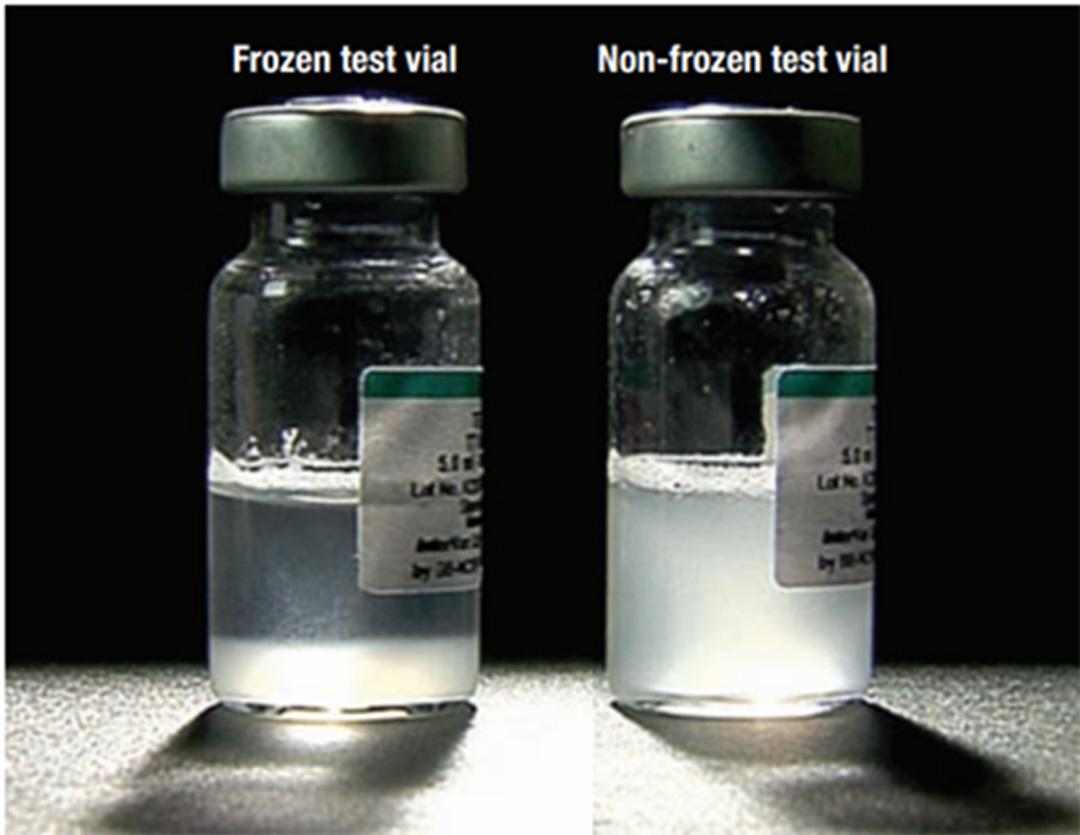
‘Room temperature’ usually refers to below 25° Celsius (77° Fahrenheit). While this is considered room temperature in much of Europe, it is not true of many parts of the world and in vehicles the temperatures can easily reach in excess of 40°C/ 104°F.
A room that is designated for medicine storage may need air conditioning and drugs must be removed from vehicles when not in use in many countries. Temperatures should be measured and logged regularly.
Light
Some drugs degrade in the light and must be kept in their original containers (including bottles inside boxes) until used. If dispensed in smaller quantities they should be placed in coloured bottles or clear bottles wrapped with aluminium foil or some other light-protecting covering.
Controlled drugs (’CDs’)
A number of drugs have the potential for misuse, such as the development of addiction and severe harm to humans. These drugs include a number of opioids, euthanasia drugs and anaesthetic agents such as ketamine. These are controlled by strict legislation according to the country of use. These drugs need to be handled in detailed ways that cover requisition, storage, prescribing, disposal and record keeping. A veterinary surgeon or pharmacist are the only people designated to supply these veterinary medicines.
In general :
- Acquiring and use of controlled drugs must be carefully documented in a Controlled Drug (CD) Register
- Storage of CD must be in a secure locked cabinet, with a dedicated key that can only be opened by vets or personnel authorised by them
- Transport of CD in a vehicle may also be governed by legislation and generally these drugs must be carried in a locked container, that is secured to the vehicle. They must not be left in vehicles unless inside this locked container, a locked vehicle is not considered safe enough to carry controlled drugs without this in place
- Use of CD must be recorded in a register with all entry and use of drugs dated and signed for
- Destruction of CD should be in the presence of another veterinary surgeon or as prescribed by local laws
Pharmacy basics
Drugs should be stored in the pharmacy which is dedicated only to that function; ideally there is a dedicated person in charge. This person should be trained in the use, storage and dispensing of medication.
📚 The Brooke Hospital has released a series of course modules on pharmacy practice for agrovets and pharmacists here
Record keeping requires accuracy with details of batch numbers and expiry dates of medicines, details of acquiring and use of drugs.
Stock rotation involves using the oldest stock first before it goes out of date, and ensuring new medications are stored behind the older ones.
Broach dates; most injectable drugs are not licensed as being effective if used 28 days or more after a vial/bottle is first broached (figure2). The date that drugs are first used should be written in indelible ink on bottles. Note that some medicines have shorter broach dates than this.
Label shelves in logical alphabetical order. Trade names may change depending on the supplier, so using the active ingredient is a more useful way of knowing where medication is found.
Supplying medicines; ensure that medicines are supplied with correct details of how to use the product via the product leaflet.
Fridges and storage; these areas must not be multipurpose, in particular food and drink must not be stored in fridges/areas where medicines are stored.
Security; a dedicated pharmacy must be secure and lockable, ideally within an alarmed building. There should not be access by rodents/birds/vermin.
📆 Check the date; stock rotate!
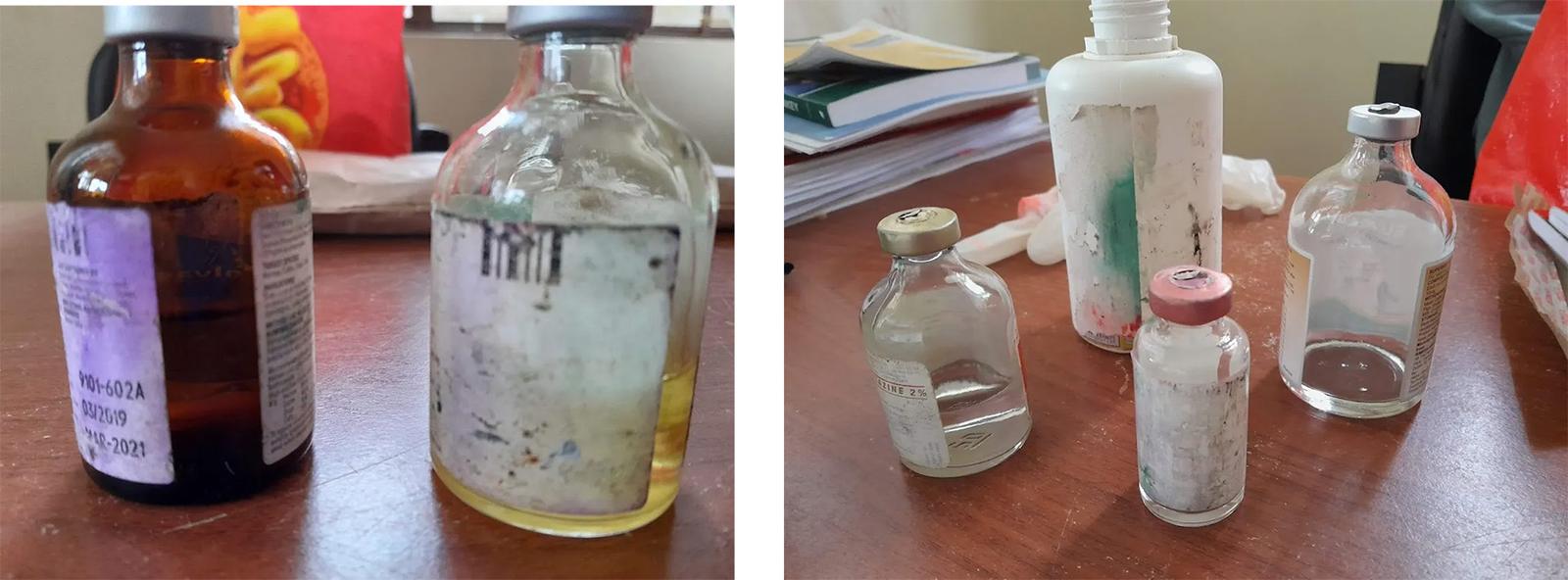
Dispensing veterinary medicines
Medicines are dispensed to owners who may have little knowledge or understanding of their use. It is vital that they are given clear, unambiguous instructions on use of the product both orally and in written form. In areas with poor literacy then pictograms may be used to provide clear information.
Drug labels for dispensing should include the following information, most of which can be pre-printed on self adhesive labels:
- Owners name and address
- Animal name or ID
- Date of supply
- Product name and strength
- Total quantity supplied
- Instructions for dosage
- Name of veterinary surgeon supplying the product
- The words “keep out of use of children” and “for animal treatment only”
- Specific instructions related to that product regarding handling
- Withdrawal periods for meat-producing or competition animals
- Any other necessary information.
Route of administration. Owners may need help with how to administer medicines, and in all cases it is the responsibility of the vet to ensure that the owner is able to provide the medicines safely. Oral, inhaled and intramuscular injections are often dispensed and may need demonstrating how to do this accurately.
Disposal of veterinary medicines
Owners should be informed that unused medicines must be handled carefully, and ideally given back to the vet practice for disposal. Unused or out of date medicines should NOT be given to other animals, or humans, or disposed of with domestic rubbish. Liquids should not be flushed into watercourses or drains where they will contaminate rivers and groundwater. Unused drugs should not be incinerated in the open where toxic fumes will be released and glass bottles could break.
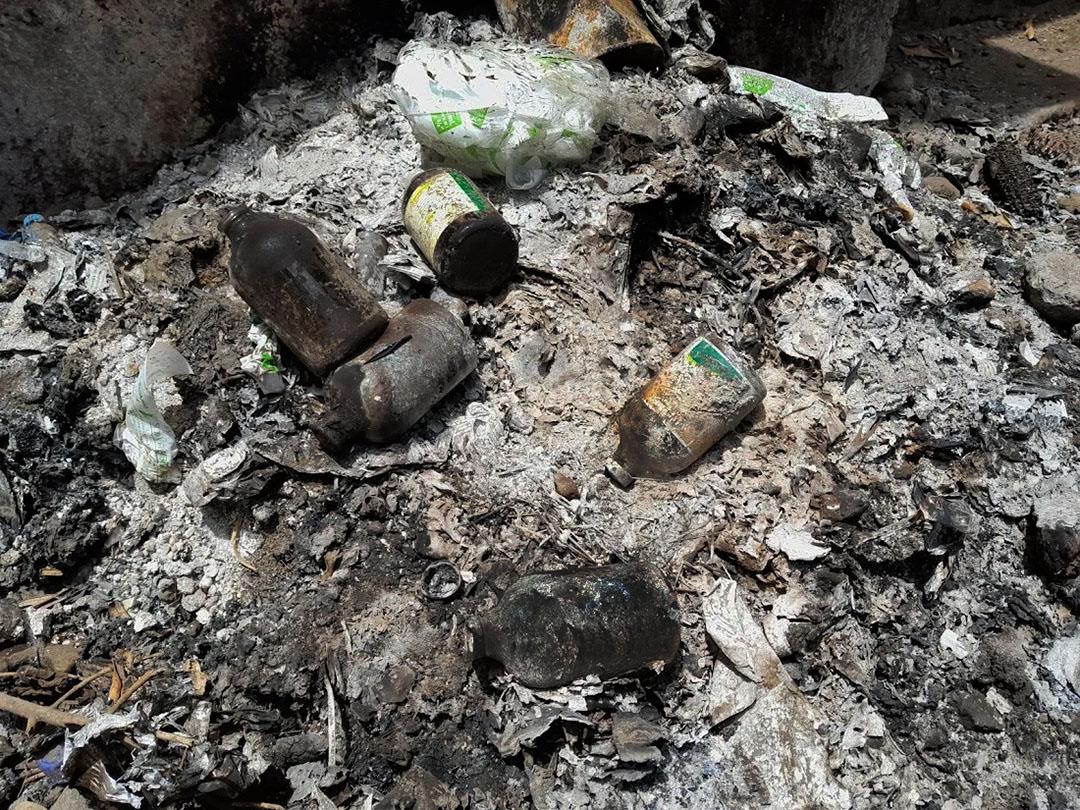
There is a major problem of disposal of pharmaceutical waste in many Low income countries (LIC), due to a lack of regulatory frameworks, oversight and financial issues. This leads to open disposal in landfill, open incineration or dumping in waterways (figure 3). All of these methods cause environmental contamination, human and animal toxicity and increase the problem of antimicrobial resistance.
📚 Read more about the problems with disposing of pharmaceutical waste here
There are alternatives including closed incineration, steam/heat disinfection, bio-digestion and the use of waste for energy creation, but these require investment and motivation. In a veterinary practice setting there are a number of methods to segregate waste so that products needing specialised disposal are correctly identified. These must be checked according to the regulatory framework of the country. Typically these include colour-coded collection bags and bins for example:
- Sharps container (figure 4); a sealed, puncture-proof unit for used needles, IV catheters and scalpel blades
- Pharmaceutical waste; for hazardous medicinal products and items contaminated with non-hazardous medicines
- Cytotoxic waste; for waste contaminated by hazardous cytotoxic and cytostatic medicines (e.g. chemotherapy drugs and birth control)
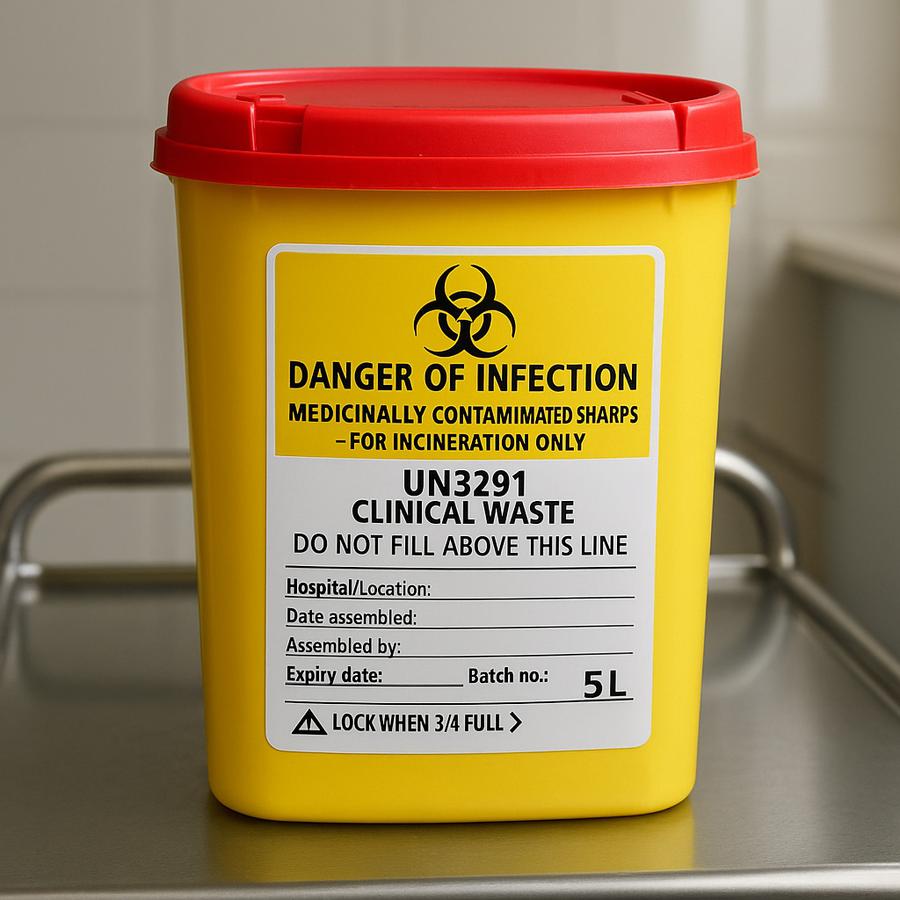
💡 In all situations it is necessary to have good record keeping that identifies what product has been disposed of and by what route