
The concept of equine welfare encompasses many areas of life as detailed in the five domains model where the environment, health, nutrition and behaviour all contribute to the final domain: the mental state for that individual. To monitor, evaluate and hopefully improve equine welfare there needs to be an easy, repeatable method to assess welfare in both individual and groups of equines. By collecting this information owners and managers can learn what areas are causing problems and work to improve them.
This article looks briefly at:
- Using the domains model to evaluate and assess welfare
- The available equine welfare assessment tools
- How welfare assessment tools are used
In all these cases there is a need to engage with the community that work with the equines; this may take time to gain trust and respect. The information gathered needs to be shared sensitively with all involved in the ongoing care.
Domains to assess welfare
Environment
For working equines the immediate environment and also the working environment both need to be considered. Some can be from direct observation and some indirectly from talking to owners/handlers. Below are some of the areas that need to be considered:
- Rest area - size, safety (barn, stable, tethered space, field, free roaming)
- Confined space - stable, barn, shelter
- Choice of use of environment
- Surroundings - urban/rural/pollution/accident risk
- Roaming area - safe from hazards?
- Work type/work load
- Harness type and maintenance
- Age of starting work/ rest periods/ end of life care
Nutrition
A direct assessment of food and water can be made, but also indirect measures such as body condition score are useful here.
- Food - forage, browse, concentrates; quantity and quality
- Choice of access to feed
- Feeding space and safety - trough space/bullying/scavenging
- Water - amount, access, cleanliness
- Availability of feed and water during the working day and rest periods
- Body Condition Score
- Thirst when water offered - skin tenting is an unreliable measure of dehydration in equines
- Owner knowledge of feeding
- Nutrition appropriate to life stage - foal, pregnancy, in work, resting
Health
There are a large number of health indicators that can be used in managed populations, such as data on morbidity and mortality for a number of conditions. In working equine populations there is a need to gather current data as there may not be any historical records. Note that the aim is not to perform a veterinary examination and diagnose/treat the issue; the aim is to record the information, although it is appropriate to triage the equine and direct for the appropriate treatment. Some of the areas to consider are:
- Body Condition Score
- Lameness
- Hoof condition
- Joint swellings
- Ocular discharge/disease
- Dental disease; external indicators easier than intra-oral exams. Much information can be gained from an extra-oral dental exam but to assess dentition in detail requires the use of a gag
- Discharges from genitals
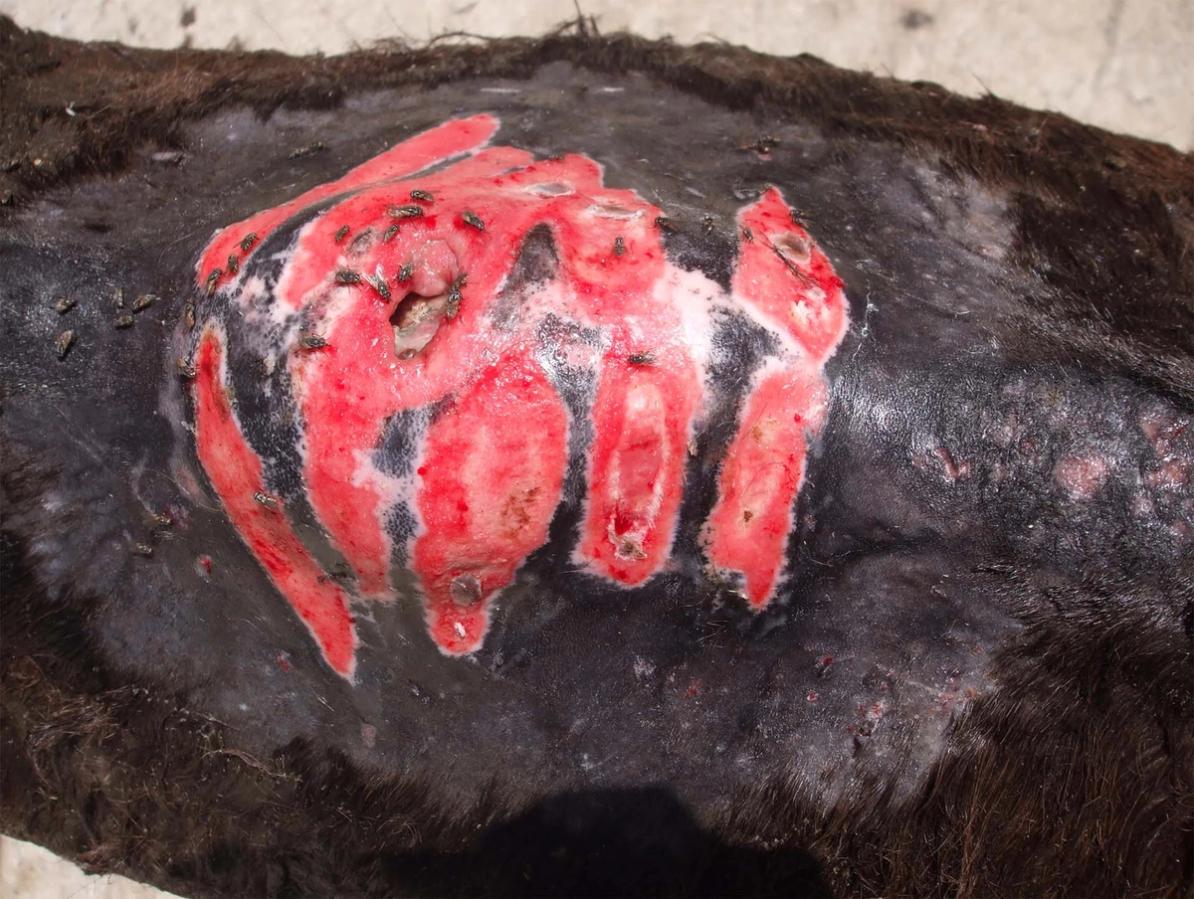
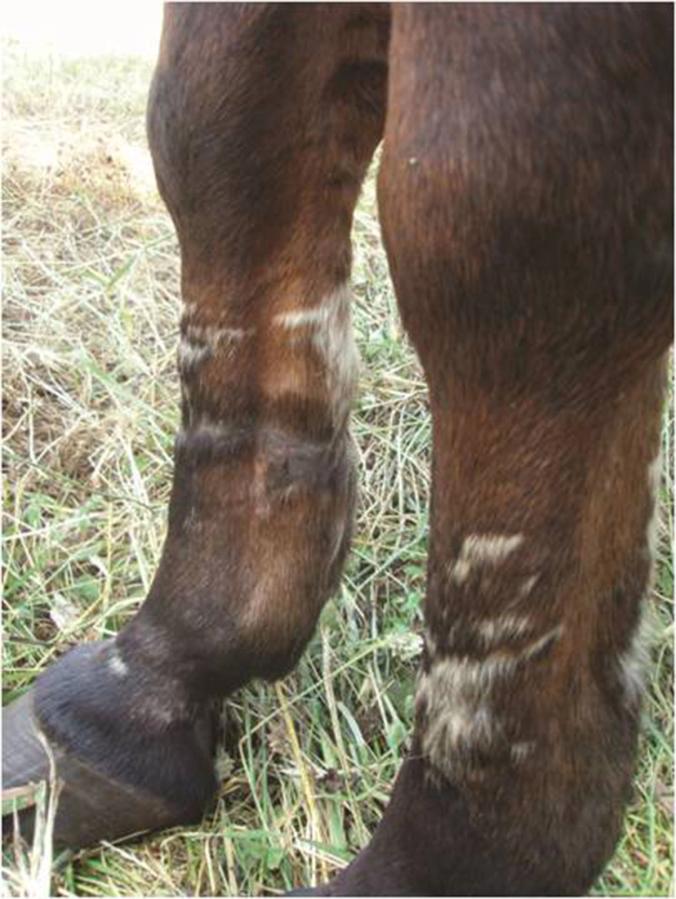
- Wounds; many wounds can be caused by practices such as tethering, hobbling, beatings, burning, mutilations, and should be noted as such
- Skin changes; including without any harness to assess for wounds related to tack
- Heat stroke/extreme cold
- Owner knowledge of health care and prevention
Behaviour
Within this category we need to assess both the behaviour of animal towards its companions and towards human handlers. The latter gives us an indication of how the equine has been treated during its working life. Monitor:
- Social contact with other equines
- Avoidance behaviour - to humans or other equines
- Tail tuck/ kick attempts
- Aggression
- Stereotypical behaviours
- Depression and apathy - often proxy measures are used such as position of head and ears, and response to observers.
- Pain behaviours may be detected during other parts of the exam such as lameness, dental exam, ocular exam, or from using pain scoring systems
Mental state
This is the domain that looks at how the equine mentally balances the inputs from all the other domains. Generally we look at the behaviour indicators to assess these.
There are also tools to assess the behaviour that work with pre-defined words/attributes to ascribe an equine to one of four categories, such as the use of Qualitative Behaviour Assessment. This tool uses the behaviours of the equine to assign a mental state. In a simplified format this helps us decide if the mental state is:
- Positive and high energy - i.e. a young horse engaged in free play with another
- Positive and low energy - i.e. a horse relaxing in a field under a tree
- Negative and high energy - i.e. kicking when being whipped
- Negative and low energy - i.e. exhausted and apathetic
Equine welfare assessment tools
There is a large amount of data that can be collected and many large organisations have now formalised this data collection into ‘welfare apps’. The information is collected by trained assessors (who do not need to be vets) on a smartphone or tablet, and then analysed later. The advantage of this is the power of the available datasets which enable evidence-based advice and changes to be instituted. The disadvantage of this approach is the time and resources needed, and the lack of immediate feedback for owners about the results.
📚 Some examples include:
The Brooke Hospital ‘SEBWAT’
Standardised Equine Based Welfare Assessment Tool
Animal Welfare Indicators Network
Developed particularly to look at the welfare of donkeys in Europe used for milk and meat industries.
Equid Assessment and Research Scoping tool 'EARS'
This was developed by the Donkey Sanctuary to assess welfare in the range of uses donkeys are involved in, from companion, to milk, meat, tourism and working.
Prevention is better than cure: how Welfare Assessment tools are used
In large organisations welfare assessment data is aggregated and the results used to inform decisions about training and investment of resources. For example, if an assessment that shows that there are a high number of wounds related to poor harnessing, a programme to teach communities how to make comfortable, safe harnesses is a better long-term investment than just focusing on veterinary wound treatment. Without access to data collection apps a team can still make sensible valid assessments using the domains model and gathering information from a representative sample of the population.
It is important to collect data from all stages of an equines life; working equines are often very visible in rural and urban areas as they function in the economic life of the community. Mares and foals, old and sick equines may be less visible, and end of life issues need consideration. In addition, data should be collected from the appropriate user group - often women work with donkeys at home, but culturally may be less willing or able to engage with data collection teams.
A colour-coded traffic light system can be a useful visual representation of areas of welfare concern:
🔴 Red: most concerning issue(s)
🟠 Amber: moderately concerning issue(s)
🟢 Green: good welfare
Recognising, assessing and acting upon poor welfare remains a priority for vets and caregivers. Often very simple changes will impact on the day-to-day welfare of an animal, such as removing harness and providing water at rest breaks. By using a logical approach with the five domains model welfare can be systematically improved.