

Safety is crucial when restraining and handling dogs. There are some general considerations to keep in mind during any interaction, which can help keep people and animals safe, minimise stress for all involved and safeguard animal welfare. More details on anxious and aggressive behaviour in dogs can be found in the previous topic.
This article highlights key safety considerations when handling and restraining dogs.
Be non-threatening. Certain body language may be perceived as threatening by dogs.
Avoid the following:
- Leaning your body over the dog (this is intimidating)
- Reaching your hand over them, for instance, to ‘pat’ their head (they may think you will hit them)
Instead, lower yourself to the dog’s level and approach the dog side-on rather than head-on, which can seem confrontational. Offering food and treats can help gain a dog’s trust.
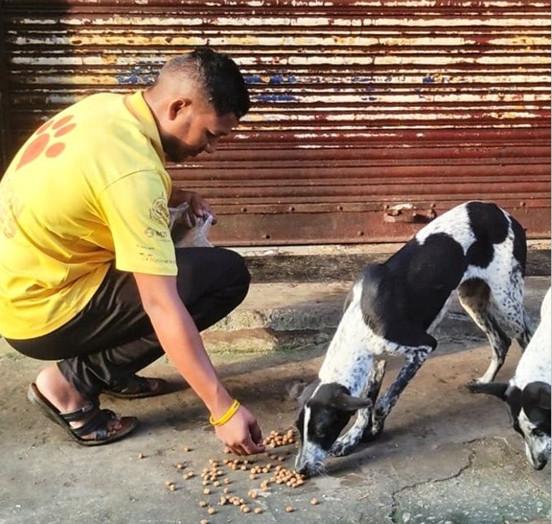
Assess body language. Continuously monitor the dog’s body language for signs of stress, anxiety and aggression. Indicators include lip licking, yawning (appeasement behaviour), panting, growling, avoidance or a tucked tail. If you notice these signs of stress, you may need to adapt your approach, taking more time and steps to make the dog feel less threatened.
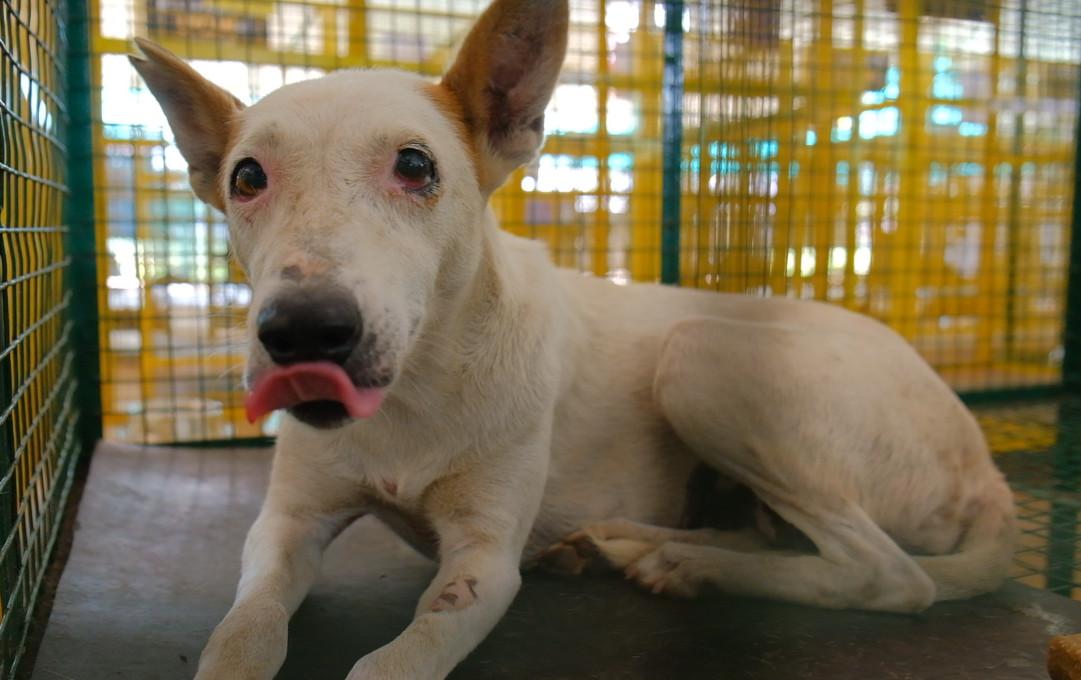
Keep yourself in a safe ‘zone’. It is important to maintain a safe distance with an easy exit, even while close handling. If bites do occur, they are often to the face or hands due to the proximity of these body parts while handling dogs.
- You should avoid putting your head close to a dog’s face, so that it is easier to move out of the way if a dog does suddenly snap or bite.
- If a dog is kenneled, do not lean into or sit in small kennels - this may make the dog feel threatened but also prevent you from moving away quickly if needed.
- If you need to get down to the dog’s level, it is sensible to crouch or kneel on one knee, rather than sitting on the floor, so that it is easy to move away.
Use safety equipment. When used correctly, muzzles can ensure handler safety when dealing with fearful or aggressive dogs, preventing bites and allowing the veterinary team to perform procedures safely. Slip leads are also effective for controlling the dog while minimising its stress compared to harsher equipment like catch poles.
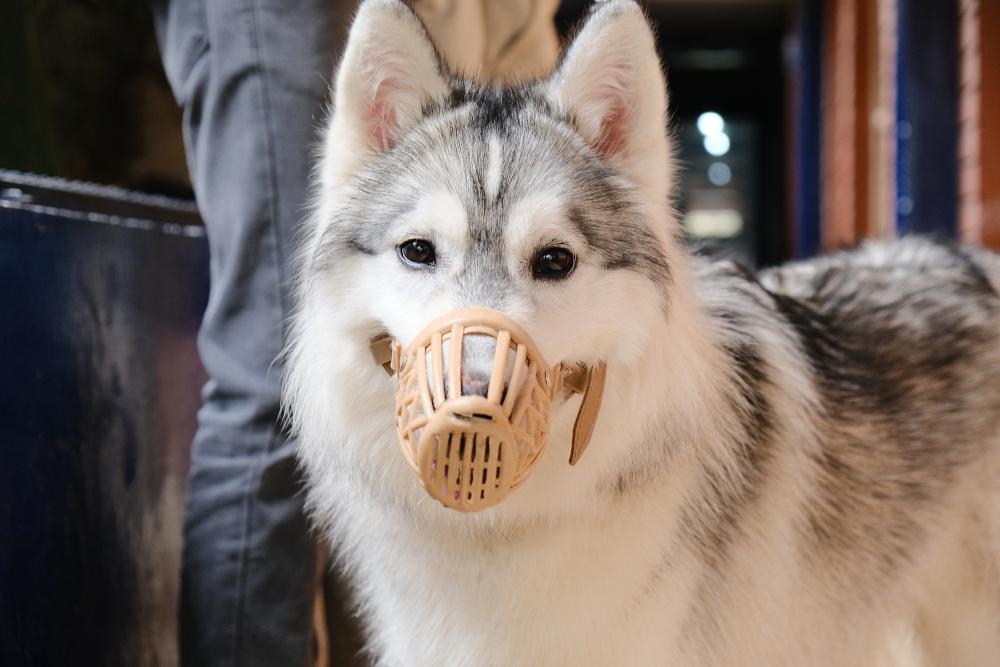
Wear gloves. When handling dogs, gloves should ideally be worn. This prevents zoonotic diseases from being transmitted to the handler and decreases the risk of contact with rabies-infected saliva. Furthermore, changing gloves between animals minimises the risk of pathogens such as distemper and parvovirus passing between dogs, so wearing gloves benefits both human and animal safety.

See our “Restraint Equipment” topic below for more information on the safe use of restraint equipment.