

The reason an individual dog behaves aggressively is hugely complex with multiple influences. However, it’s important to be aware of key contexts, patterns of learning, and possible pre-disposing factors which make aggressive behaviour more likely. This should help you anticipate situations where aggressive responses are more common, so you can stay safe, help the dog feel less frightened, and hopefully reduce instances of aggression where possible.
Contents
- Common contexts for aggressive behaviour
- Influence of pain
- Learnt aggressive behaviour
- Pre-disposing factors
- Common misconceptions
Common contexts for aggressive behaviour
Dogs may be more likely to behave aggressively in certain contexts, and this will vary by population of dog (e.g. owned vs free-roaming), and by individual. However, it is possible to identify common situations where aggressive behaviour towards humans may be more likely. These include:
Conflict around access to resources (e.g. denied access, or perceived competition). ‘Resources’ can include food, territory (including favourite spaces such as beds), and toys. This can include frustration-related responses when access is denied.
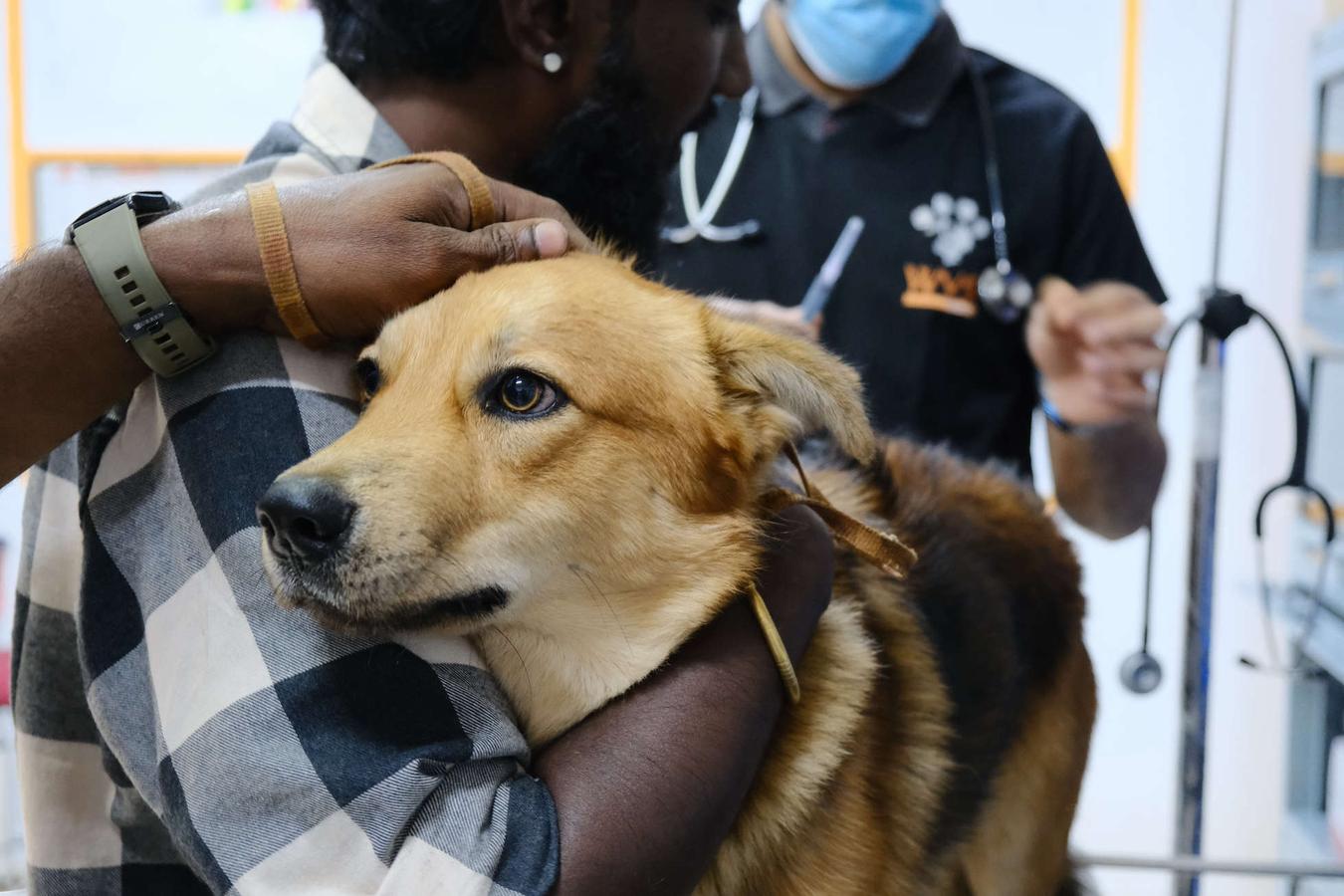
'Fear aggression' is triggered by a situation or encounter that the dog perceives to be threatening, painful or harmful. This is especially relevant in veterinary environments or during field campaigns such as vaccination drives. In these situations, interactions involving restraint (e.g. holding) and veterinary procedures (e.g. injection) may often be perceived as frightening for the dog. Faced with unwanted interactions, some dogs will seek to create distance and end the interaction by displaying aggressive behaviour. An animal may also experience anxiety as they anticipate a fear-inducing situation/encounter. Therefore, it is common to see precursory signs of stress and anxiety, before a dog’s behaviour becomes aggressive.
The clinical environment can be very challenging for dogs for several reasons:
- Previous painful or fear-inducing experiences (e.g. being restrained/taken away from caregivers/waking up disorientated after anaesthesia)
- The presence of unfamiliar people/animals
- Novelty and a lack of familiarity (e.g. novel smells/objects)
- The presence of other fearful animals (visual, auditory and olfactory information).
Dogs may experience, ‘trigger-stacking’, where multiple stressful experiences build up until they feel overwhelmed and are tipped over a threshold.
Over time, or during repeated exposures to the clinic, the emotional element of the behaviour may reduce, but unpleasant associations with the environment may create a habitual response. Individual dogs may become aggressive in the veterinary environment, regardless of context.
Aggression is also a normal response to painful stimulus, and animals experiencing pain due to injury or illness may be more likely to display aggressive behaviours.
Influence of pain
Pain is associated with the development of aggression. Reasons for this may include:
- The need for the animal to protect themselves from further damage
- Increased threat signalling in the brain, and triggering of stress pathways
- Chronic stress increasing the perception of pain
- Pain may result in the reduction of certain behaviours that influence the body’s homeostasis e.g. sleeping, eating, regulating body temperature
Dogs may respond more aggressively while experiencing pain, even if the painful area isn’t touched. Any condition which causes pain or discomfort (e.g. oral pain, osteoarthritis, pruritus) may lower the individual’s threshold for reaction. Other systemic diseases, e.g. epilepsy, may also affect behavioural responses (2).
If pain is suspected/identified, it may therefore be beneficial to prescribe analgesics prior to the consultation. Pain relief trials may sometimes be appropriate in cases where individuals have unexpectedly started behaving aggressively, without other explanation.
Learnt aggressive behaviour
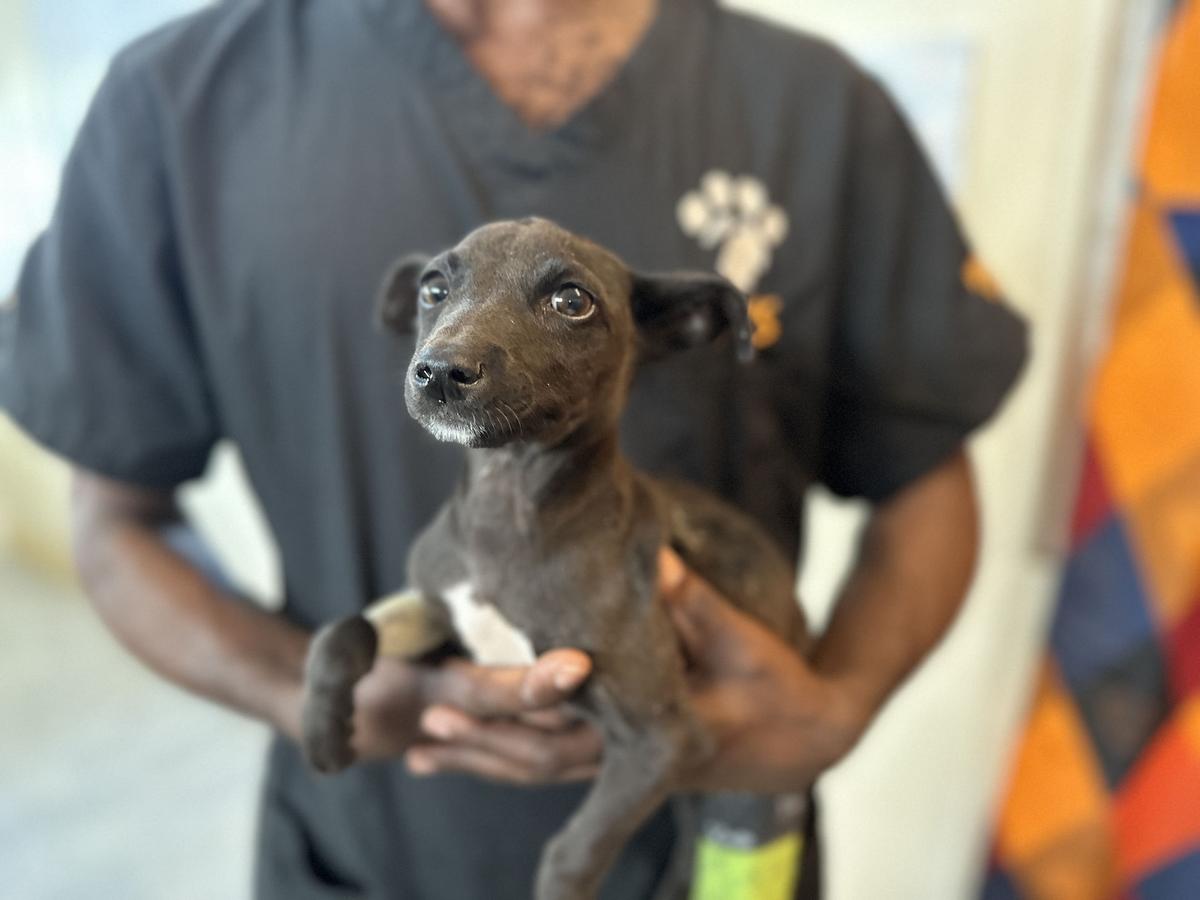
Dogs are social animals and effective communication is essential for both the formation and maintenance of social relationships. They have developed a range of conflict avoidance behaviours (e.g. appeasement gestures), and will choose these behavioural responses before any attempt to remove or repel a perceived threat. If, however, these responses are devalued (i.e. ignored, misinterpreted or punished), the dog is more likely to escalate its response, resulting in aggression. The dog may learn to do this during a single interaction, or over time as repeated exposures reinforce learnt responses.
Never punish a dog’s aggressive behaviour. This is likely to make the dog feel confused, more afraid and may teach them to escalate their behaviour and show more aggression in the future.
Early experiences in life, for instance during a puppy’s socialisation period can also affect their behaviour in later life. Factors such as maternal care, exposure to physical or psychological stress and deprivation (absence of experience or environmental (sensory/social) input required for normal brain development) can all impact behavioural responses in the future.
Pre-disposing factors
There may be other pre-disposing factors which can influence a dog’s threshold for aggression, alongside numerous potential motivational factors:
- There can be some genetic For instance, epigenetics, and common variants associated with fear and aggression across dog breeds (3,1). However, aggression is not always inherited by offspring (see box below).
- Sex/hormones can influence behaviour. This includes physiology changes at puberty; pseudopregnancy; and hormone changes after neutering (e.g. ovariohysterectomy and castration).
- Age can affect levels of aggression. For instance, younger dogs may have higher impulsivity and less tolerance of frustration (4). In geriatric dogs, it is important to consider age-related changes such as physical/sensory deterioration, canine cognitive decline and the impact this may have on their behaviour.

Common misconceptions
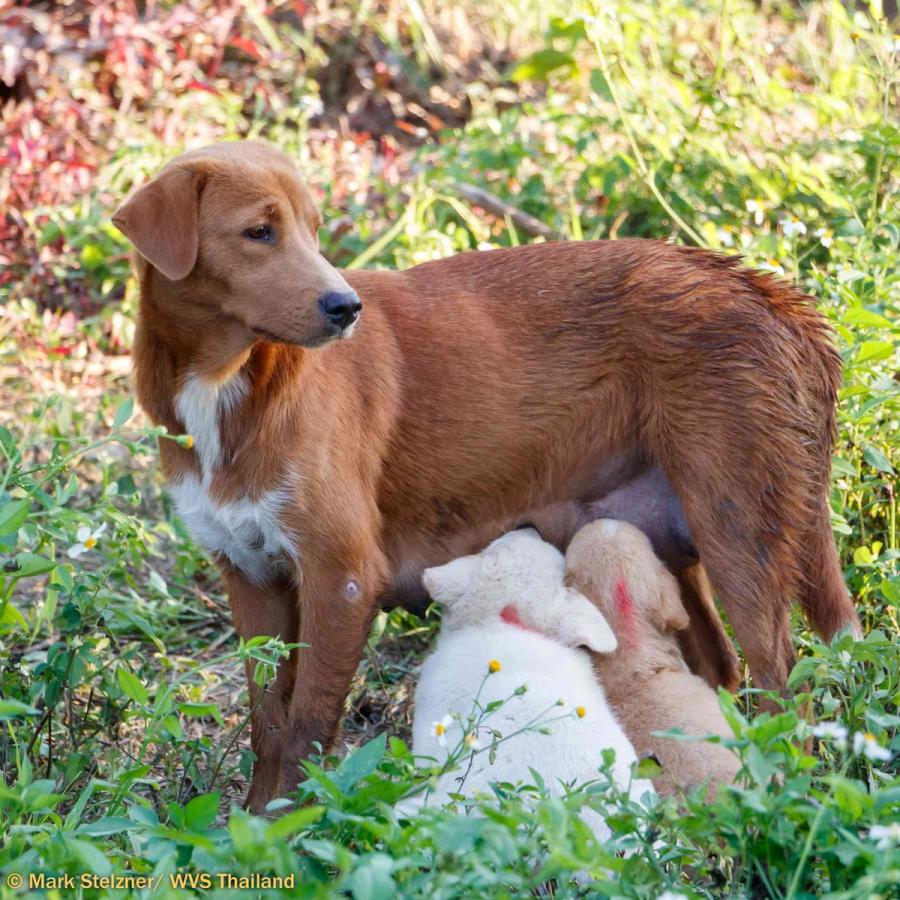
"Aggression is a personality trait in dogs". The potential heritability of aggressive tendencies is in fact complex and affected by various factors including the individual’s inherited genotype, the expression of their genotype in their specific ‘environment’ and early life experiences, including prenatal.
"The Dominance Theory". This theory suggests that dogs are motivated to establish hierarchical relationships with each other and their human cohabitants, which can lead to coercive and punishment-based training methods. This theory has previously been popular but has now largely been disproven. It was originally thought to be supported by early studies on captive wolves where aggression was observed, however it is widely accepted that the findings were misleading. The research looked at unrelated wolves in captivity where individuals were unable to disperse, so the findings weren’t a realistic representation of the wild animal. There was also the mistaken assumption that because the domestic dog descended from the wolf Canis lupus, that direct comparisons could be made. There remains no clear evidence that the domestic dog is motivated to compete with owners to become ‘top dog’ or ‘pack leader’ and furthermore, recent interpretations of wolf behaviour have tended to emphasize cohesion, rather than aggression. Punishment-based training methods should not be used.