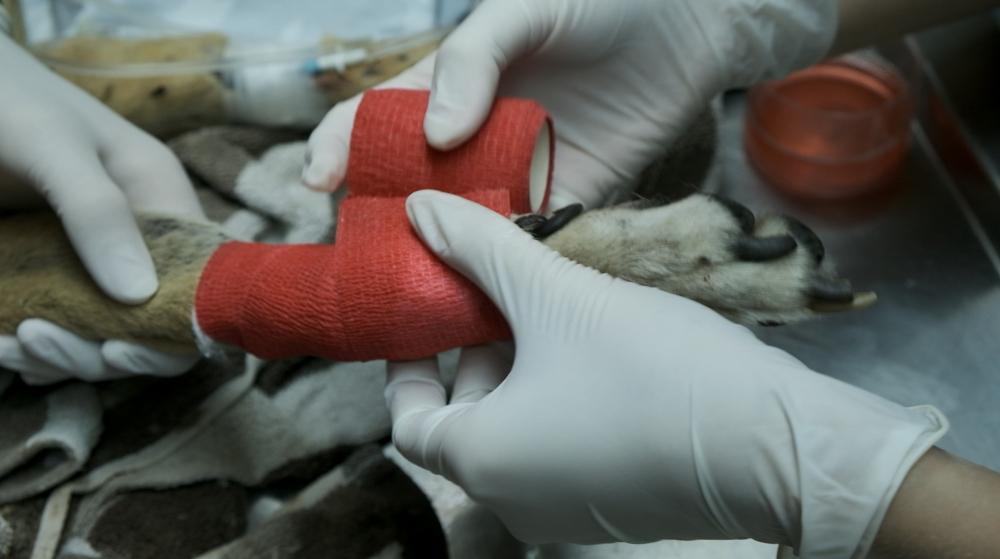

Before wound treatment can begin, bleeding should be under control. This article outlines various methods to stop bleeding, before proceeding with treatments such as lavage, debridement and dressing.

Methods to control bleeding
| Method | Description | Uses | Practical Tips |
|---|---|---|---|
| Direct pressure | Sterile gauze (or clean cloth) placed directly on wound, steady pressure applied until bleeding stops. | Appropriate for most external bleeding. | Maintain pressure for several minutes, don’t remove the gauze pad. If bleeding continues, place additional gauze pads on top of the initial one. Don’t remove it. |
| Presure bandage | Pressure bandage wrapped around wound to maintain constant pressure. | After initial direct pressure. | Don’t leave pressure bandage on too long. |
| Elevation | Elevate the bleeding limb to reduce blood flow to the area. | Appropriate for any bleeding limb. | Ensure limb is elevated above heart-level. Combine with direct pressure and any other method. |
| Haemostatic agents | Apply haemostatic agents to encourage clotting. Examples: silver nitrate, calcium alginate, epinephrine. | Mild to severe bleeding, iatrogenic trauma (nail clipping), in combination with direct pressure. | Pack wound with the product. You may then apply pressure over the top. |
| Clamping and ligation | Surgical. When bleeding vessels are visible they may be clamped and tied off with suture material. | For controlling bleeding to specific vessels. | Only to be done in controlled environments where operator is trained in surgical techniques. |
| Electrocautery | Electric current burns bleeding vessels, sealing them shut. | Small bleeds, in surgical settings. | Specialised equipment required. |
| Tourniquet | Elastic strap fastened to a limb proximal to the wound to cut off arterial blood flow below that point. | Last-resort for severe, life-threatening bleeds. | Loosen every 15-20 minutes if bleeding slows. Leads to tissue damage if left on too long. |
Additional tips for controlling bleeding
- Avoid wiping. Wiping gauze across a wound can dislodge clots, and cause more bleeding. Instead, apply pressure and hold the gauze on (dabbing gauze is better than wiping it).
- Minimise patient stress.This may be enabled through analgesia/ light sedation and a calming environment. Stress can increase blood pressure, encouraging bleeding.
- Monitor for shock. Pale gums, tachycardia, rapid breathing and weakness are signs of shock, which can be confirmed through a blood pressure reading (doppler or cuff). Shock is a life-threatening consequence of bleeding and must be treated urgently.
- Check for foreign objects. Generally, we should not remove penetrating foreign bodies outside of a surgical setting, because they may be plugging a traumatised blood vessel, meaning removal could lead to severe haemorrhage. Ensure other bleeds are controlled and the patient stabilised first.
- Clean the surrounding area. The area around the wound should be kept clean to prevent contamination.