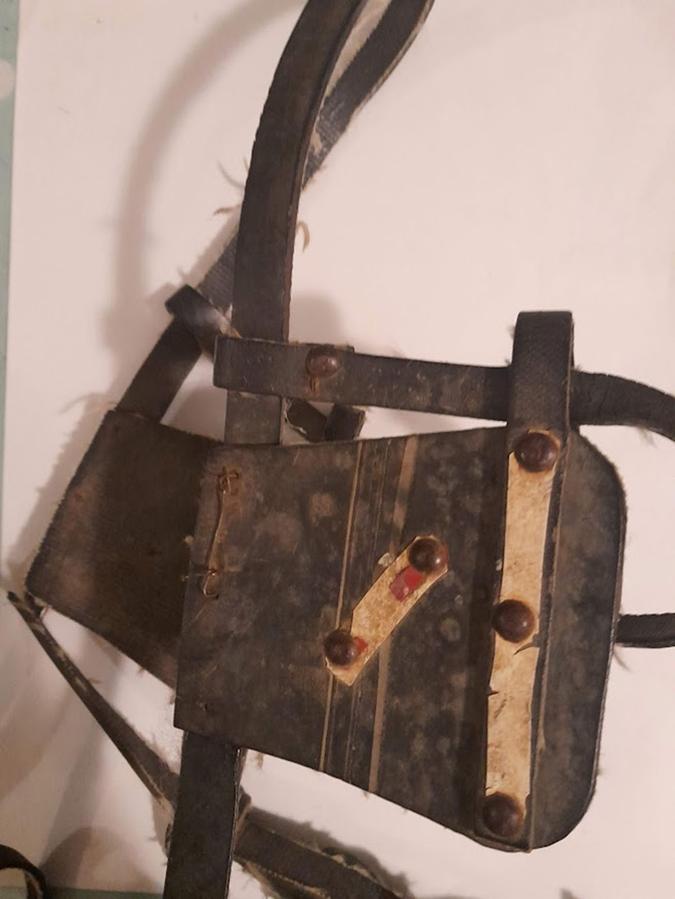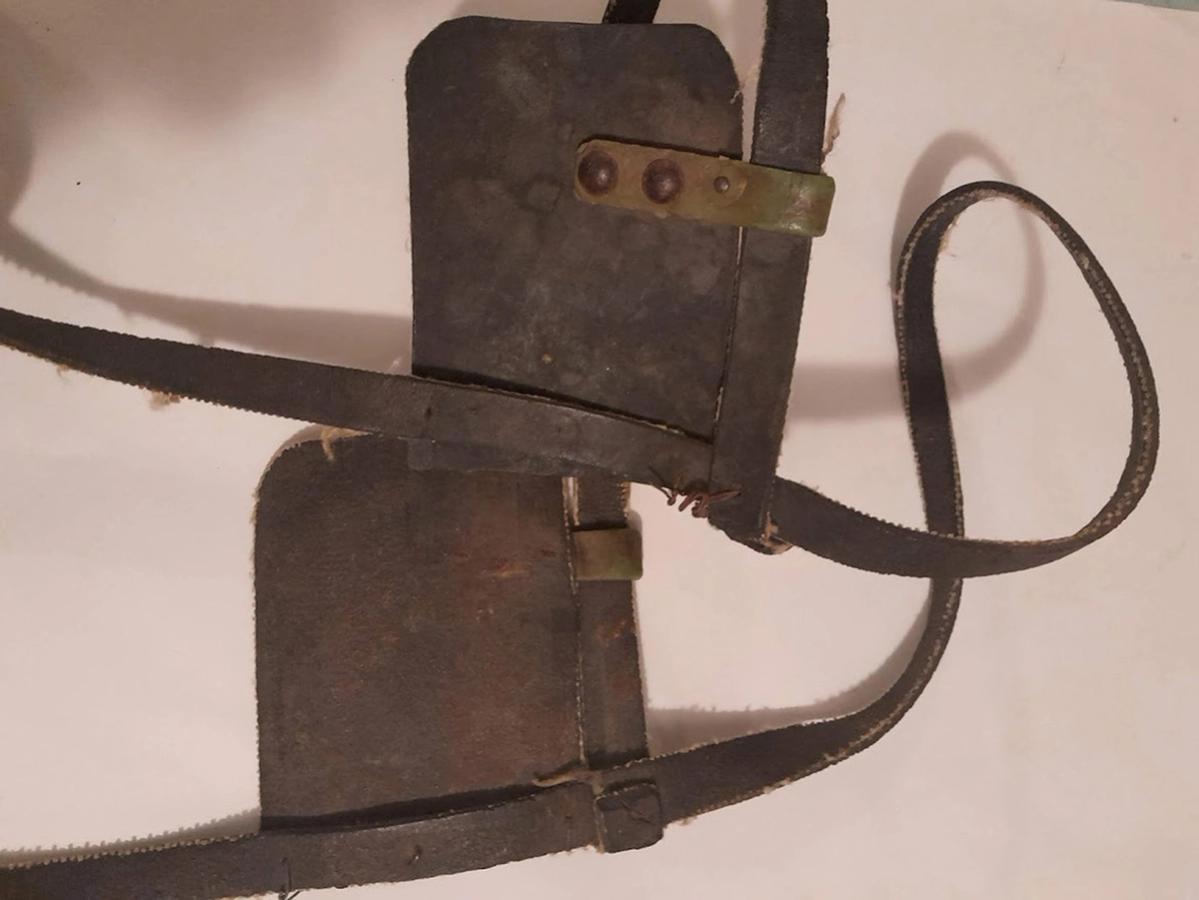

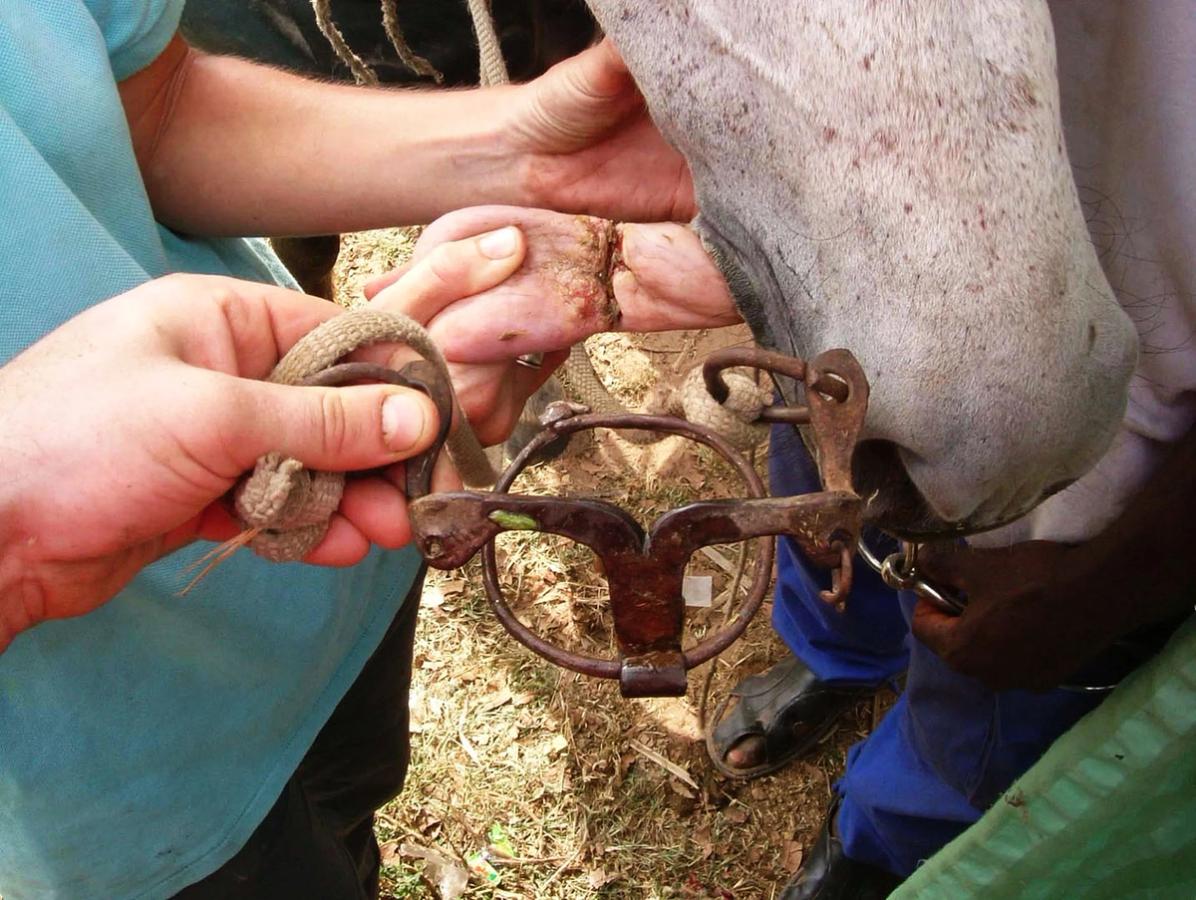
Many working equines are controlled using a headcollar, but some are worked using bridles, ropes around the chin, and using a variety of bits. If these are not well fitted or appropriate for the animal then wounds are created, leading to behavioural and welfare issues. The bridle is used for the owner to control, steer and attach equipment to, such as blinkers and reins. In many cases there is also an aesthetic component to the use of bridles and associated equipment. It is vital to assess the mouth and associated structures as part of a clinical examination of a working equine and to remove the bit/bridle (if it is safe to do so) to facilitate a thorough exam. This article looks at some of the issues around bitting and bridles in working equines.
‘Serrata’
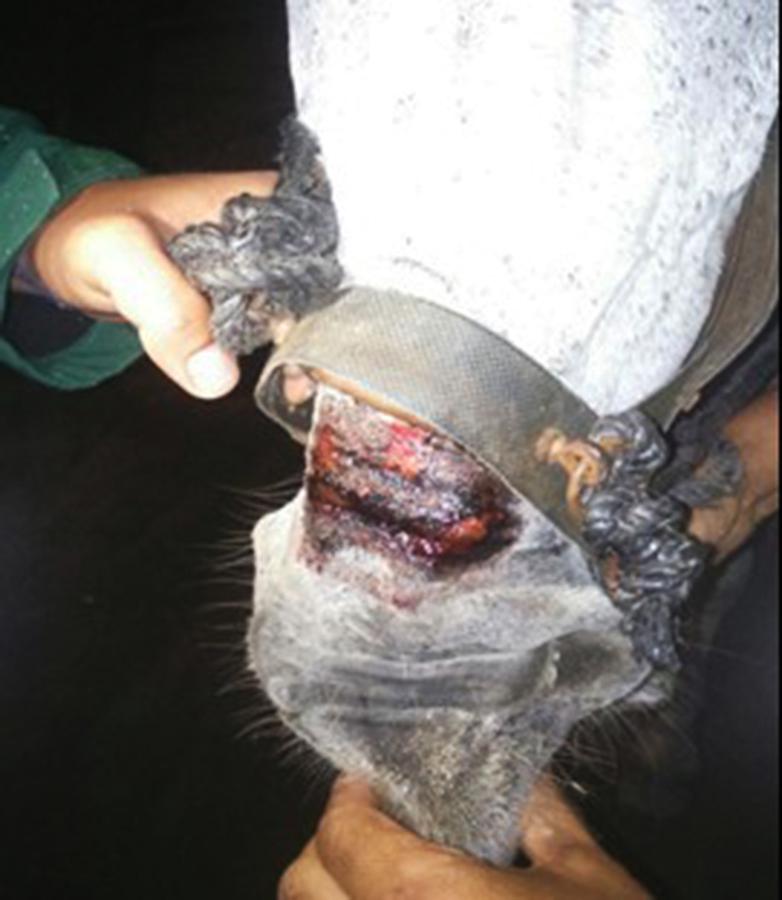
The Serrata is a type of noseband used in some countries to exert control. Unlike a normal noseband the inner surface is made from studded or saw tooth metal. When used correctly this is covered with soft padding and the noseband is designed to train a horse to accept more control without the use of a harsher bit. If used with insufficient padding then the Serrata can cause severe lesions to the bridge of the nose (figure 1).
Jaw Rope
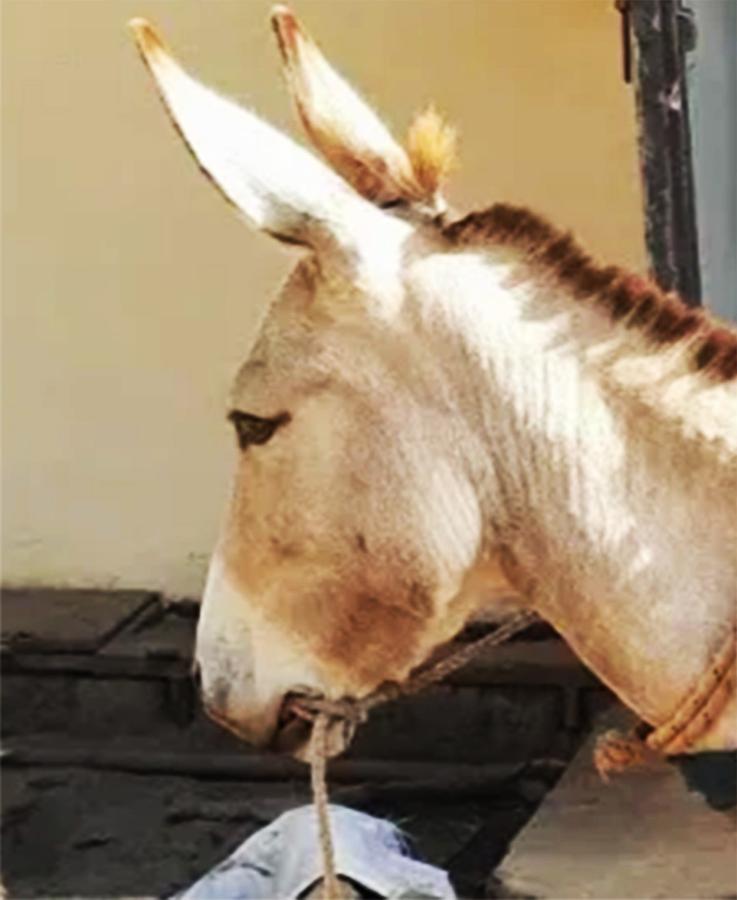
This is a very common way to restrain donkeys throughout Africa, and consists of a rope wrapped around the lower jaw in the gap between the incisors and molars, and tightened under the chin. This causes problems when the rope tightens as it cannot then loosen without intervention and the end result is trauma to the lower lip and interdental space. As this is a cheap method to control donkeys it is popular and hard to change peoples attitudes towards its use.
Bits
Bits have been used in equine mouths as a form of control for thousands of years and act by exerting pressure on the bars of the mouth, the tongue, the commissures of the lip, hard palate, chin, poll and nose. Paradoxically, a very severe bit that exerts undue pressure on a horse will make them harder to control due to fear, stress and avoidance of the pain. Owners that are unused to or fearful of equines may attempt to use stronger bits and set up a cycle of fear avoidance and aggressive behaviour in the equine that makes the situation worse. Owners in countries that have lost the art of making, or never had traditional bits may use inappropriate materials and fitting that damage the equines mouth.
Problems with bits
- Poor quality materials; bits made from wire or iron can rust and flake, leading to an abrasive surface within the sensitive oral cavity. Bits made from good quality aluminium do not rust.
- Poor fitting of the bit; a bit should be approximately 1.5 cm thick, very thin bits can cut the mouth and focus pressure on a narrow area. A bit that sits too low or too high will interfere with the teeth or cheeks. One that is too narrow or wide in the mouth will cause discomfort.
- Poor design; long shanks on the bit rings increase pressure on the cheeks and poll
- Additions such as rings or elevations to the bit damage the tongue and palate
- Additions such a chain or wire chin straps increase pressure and pain
- Jointed bits can cause more damage than gently curved straight bits
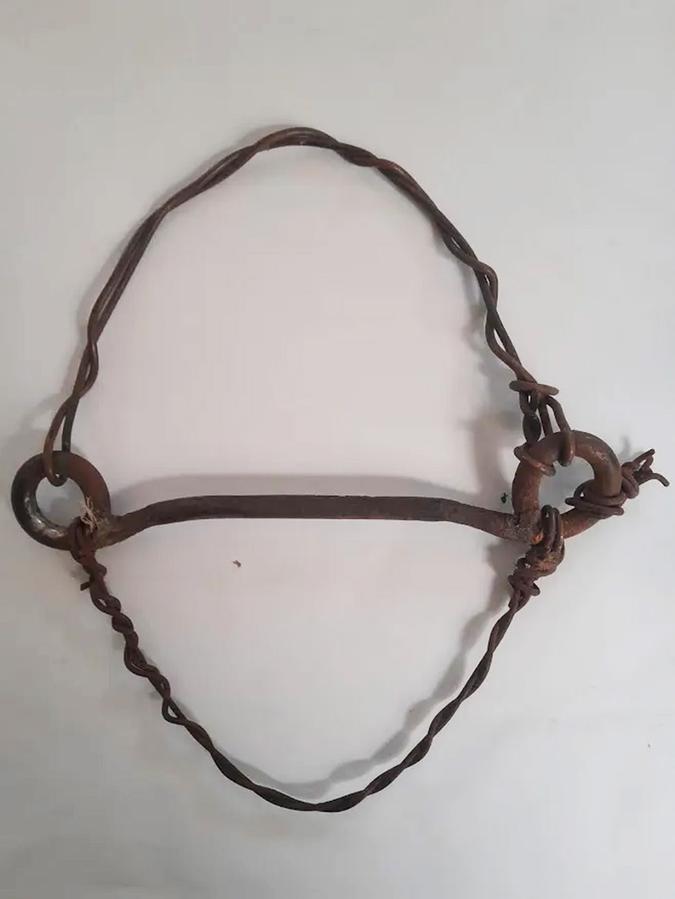
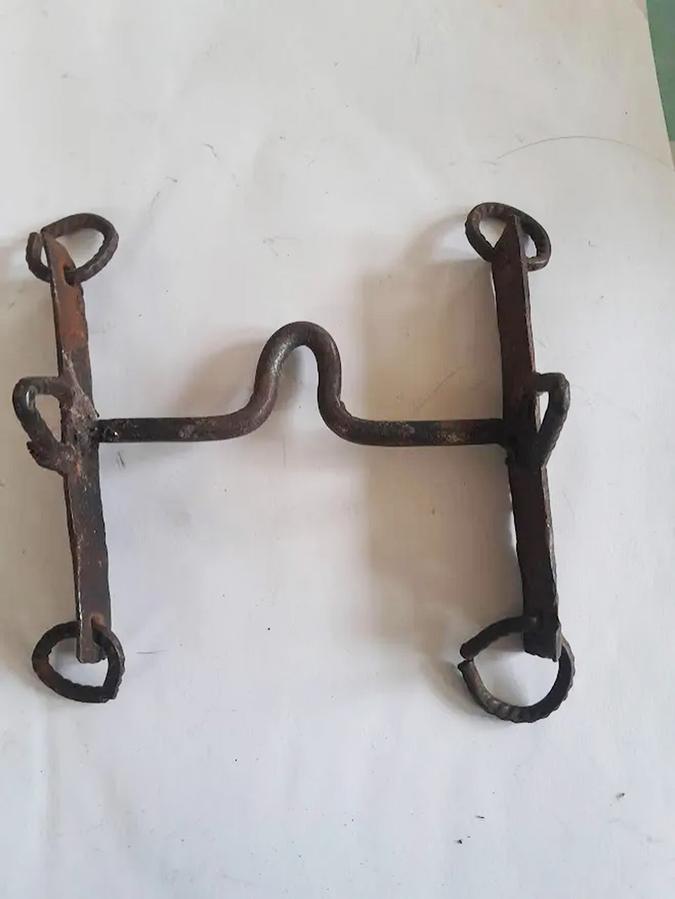
These can lead to:
- Mouth damage; cuts, wounds and scarring to the commissures of the lips, the tongue and palate
- Reduced appetite due to oral pain
- Weight loss/increased wounds; reduction in eating will lead to weight loss, this increases the risk of wounds from harness
- Behavioural change; depression and fear related aggression may occur, this may occur before the bridle is put on, or during work. The equine may attempt to evade the pain and become more difficult to manage
- Owner-directed aggression and harsh treatment of the equine; as the equine becomes more challenging to deal with, owners may respond with increasing the severity of punishments, such as whipping and using harsher bits
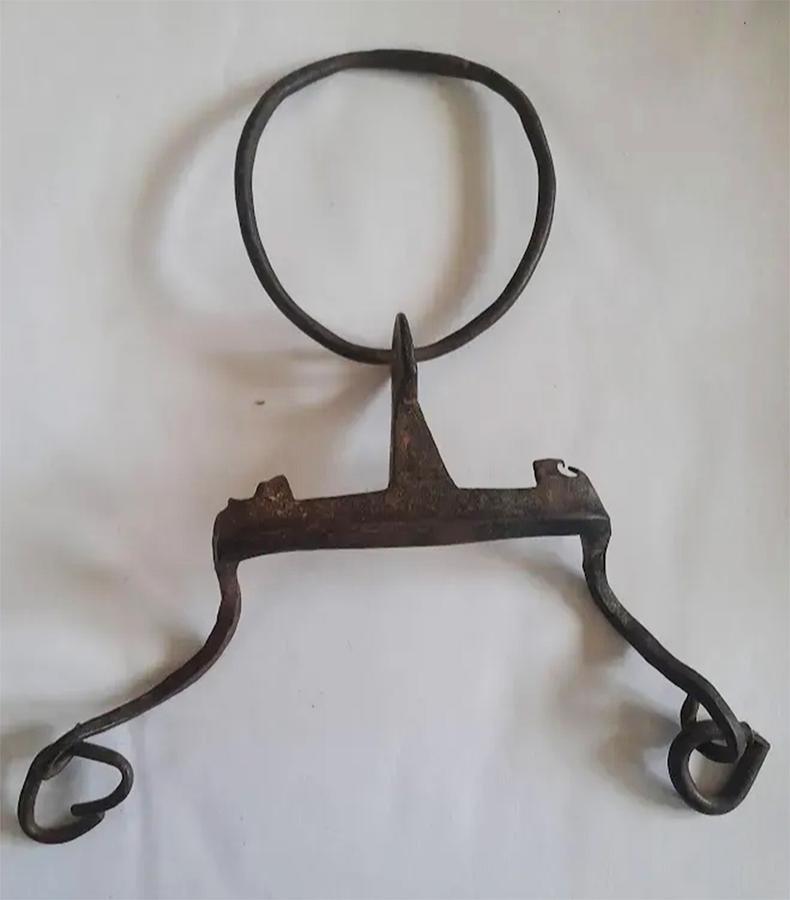
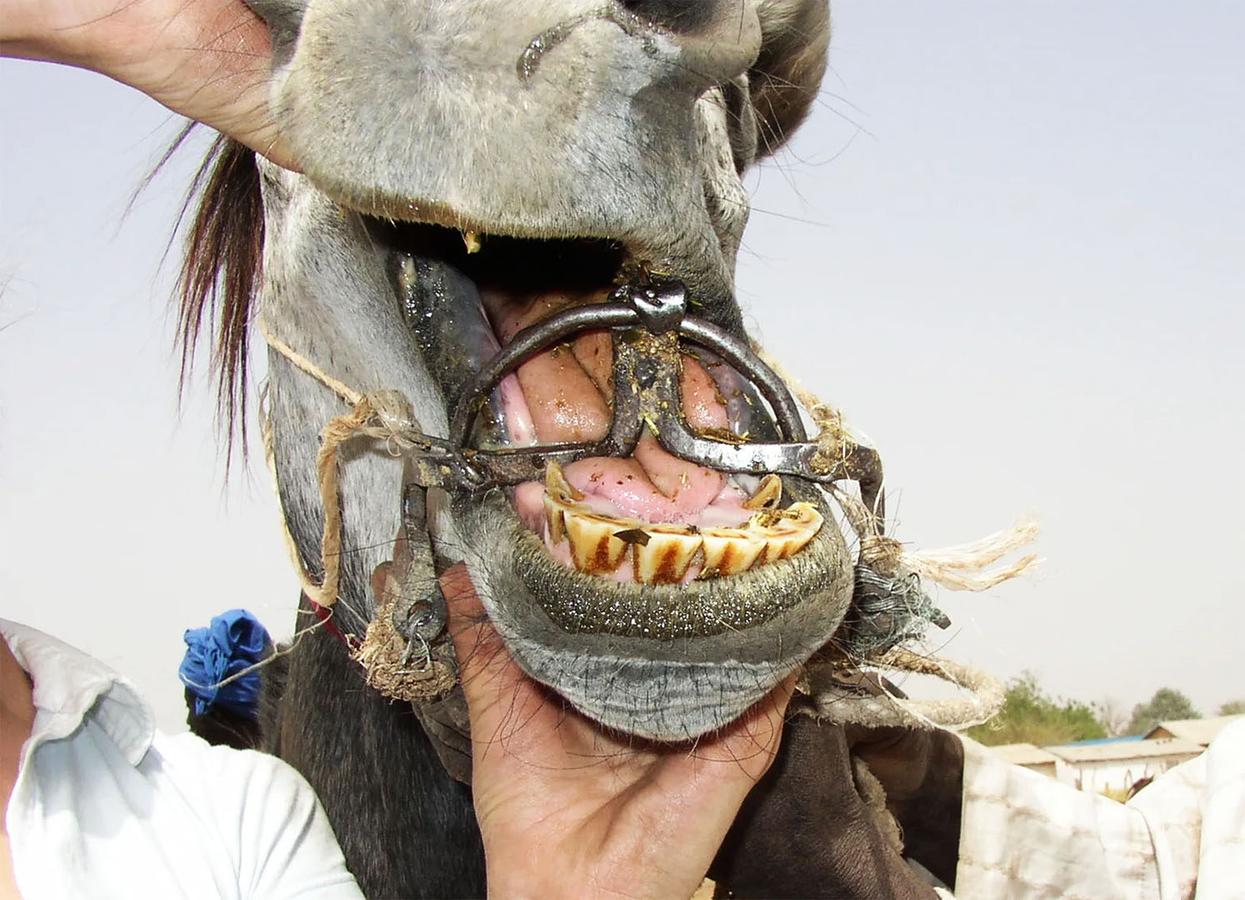
Improving bit related issues
As with many of the problems faced by working equines a holistic community based approach is required to affect long term change. Some charities encourage bit swaps and donations of humane from other countries, however this is not sustainable in the long term. Suggested solutions include:
- Train local artisans; these can be assisted to make suitable bits with a good template, and help increase their income
- Owner education; working with owners to understand the impact of mouth lesions on their equines
- Clean bits daily; and remove from the equine mouth during rest periods
- Inspect bits daily for damage and wear
- Inspect the mouth, cheeks and chin daily of the equine
- Training owners to work more humanely with their equine, and assisting with riding and carting skills
Blinkers
Blinkers are often used by equine owners with the aim of reducing distractions for the equine from visual disturbances in the peripheral vision. They can cause problems for many animals due to:
- Poor fit, leading to rubbing the skin and eyes.
- Poor maintenance of blinkers leading to sweat and dirt, and potentially damage to skin.
- Corneal ulcers if dirt gets trapped between the blinker and the face.
- Fear and stress; as a prey species equines depend on widely spaced eyes to assess the periphery, without this they can feel anxious and show panic behaviours.