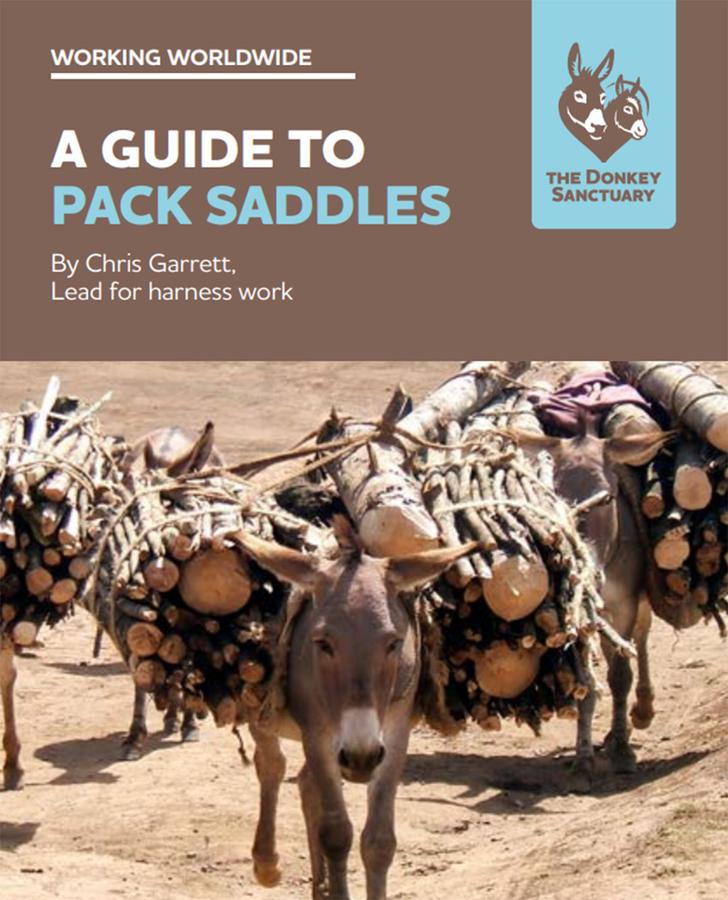

In many parts of the world where there is with poor infrastructure and lack of vehicles, goods and water are transported on draught animals including donkeys, mules and horses. A pack saddle is designed to facilitate carrying loads and is not used for riding. Unfortunately poorly designed or maintained saddles, combined with overwork can lead to severe wounds and welfare compromise.
This article provides basic information about:
- Parts of a pack saddle
- Assessing a saddle for fit
- Problems caused by pack saddles
- Prevention of pack saddle injuries
- Making a pack saddle
Parts of a pack saddle
There are 5 main parts of a pack saddle - the frame, padding, girths, breast strap and breeching/tail straps:
1. Frame
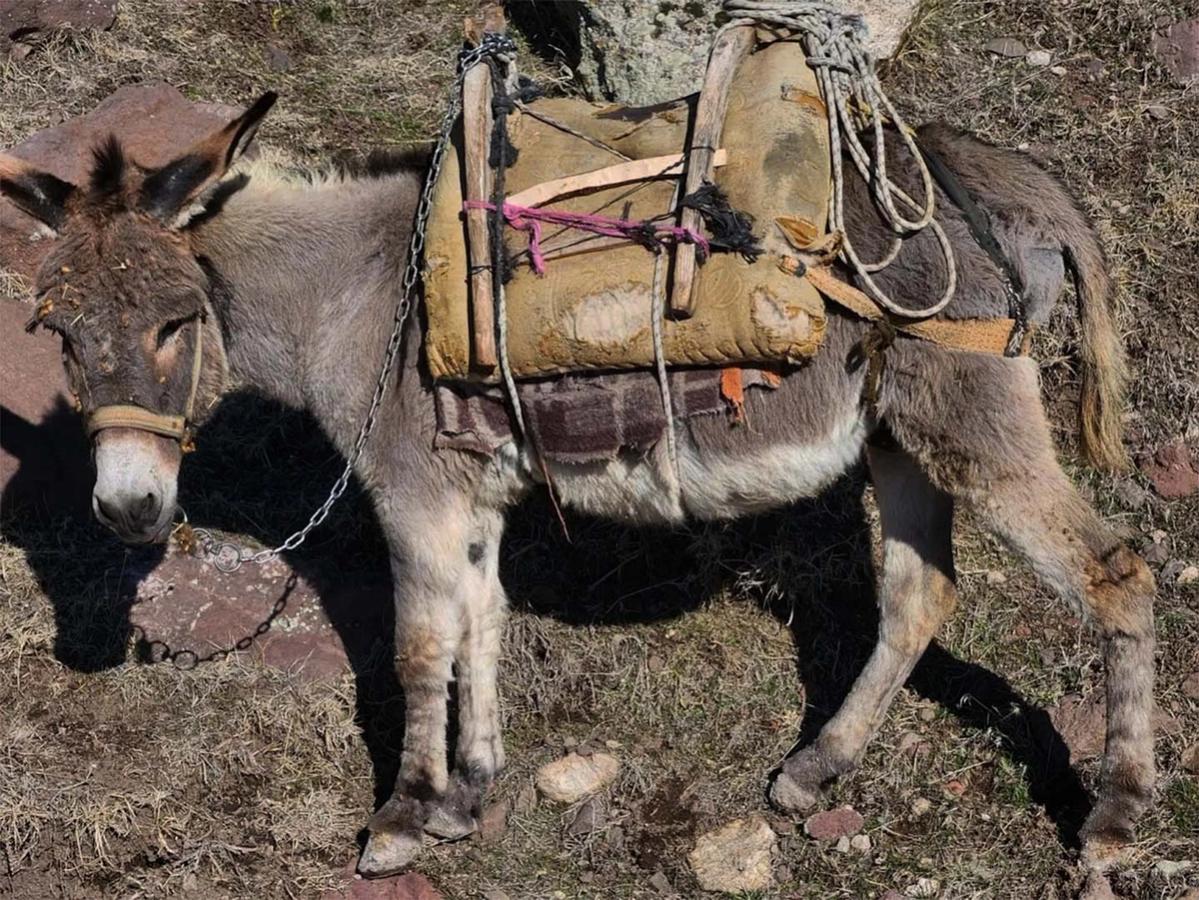
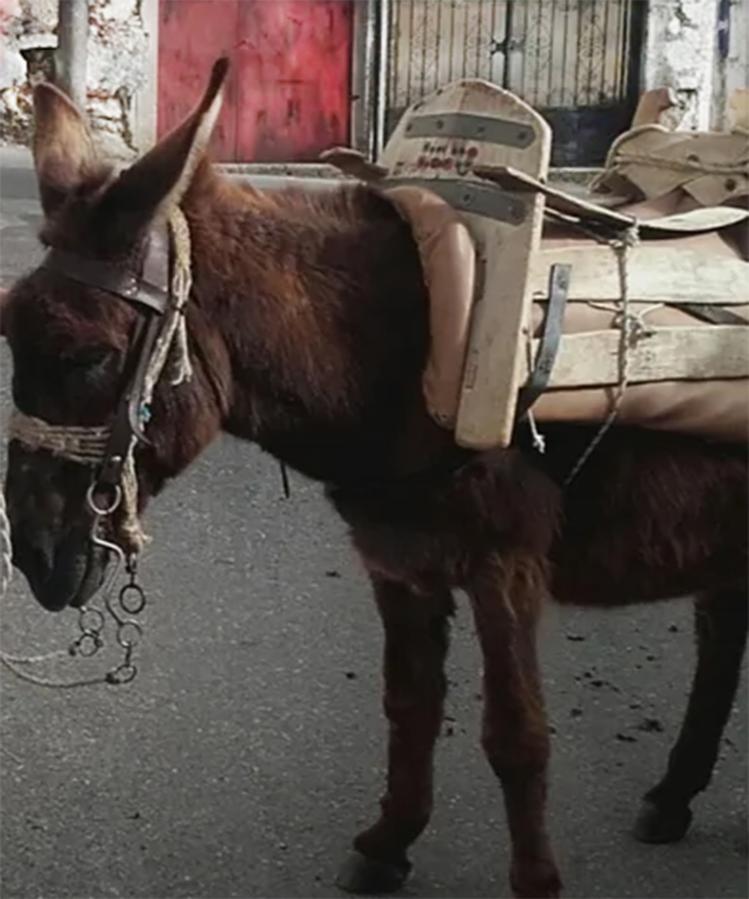
The frame provides stability and should be symmetrical to distribute the load to each side of the back. Frames can be made of metal or wood, or be created from local materials such as sacks stuffed with straw. Frames are rigid and do not adapt to the change in shape of an animal throughout seasons or ageing. Figure 2 and 3 show traditional styles of fixed wooden frames
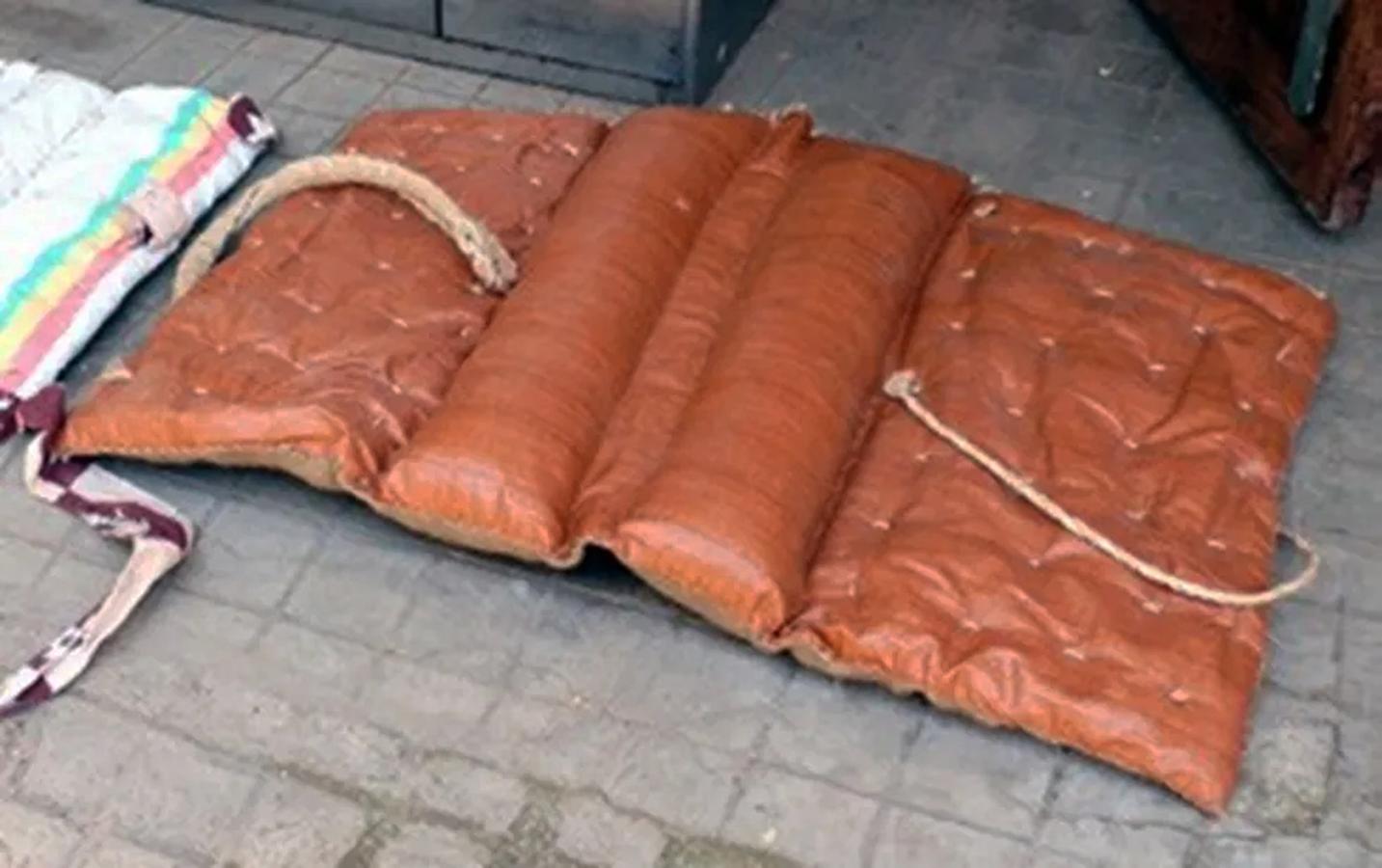
2. Padding
This is to provide cushioning between the frame (if present), the load and the animal’s back. Padding should be soft, easy to clean and made of natural materials to allow sweat to evaporate. Insufficient or poorly maintained padding, can quickly result in sores and wounds. Carrying loads without padding can lead to wounds, and reduce the animal’s ability to work.
3. Girths
These hold the saddle and packs in place. Ideally these are 5-7cm wide and made of natural material. It is common to use a forward girth running behind the elbow and a caudal girth running 30cm + behind this. Using a narrow rope or over tightening the girth(s) will cause pain and wounds to develop.
4. Breast strap
This should prevent the saddle slipping backwards from the shoulders. It should run across the chest and not move up the neck to restrict breathing. Note how the strap in figure 6 is far too loose and has slipped to restrict movement. As with girthing straps ideally the material should be made of natural fibres and be wide enough to prevent rubbing.
5. Breeching and tail straps
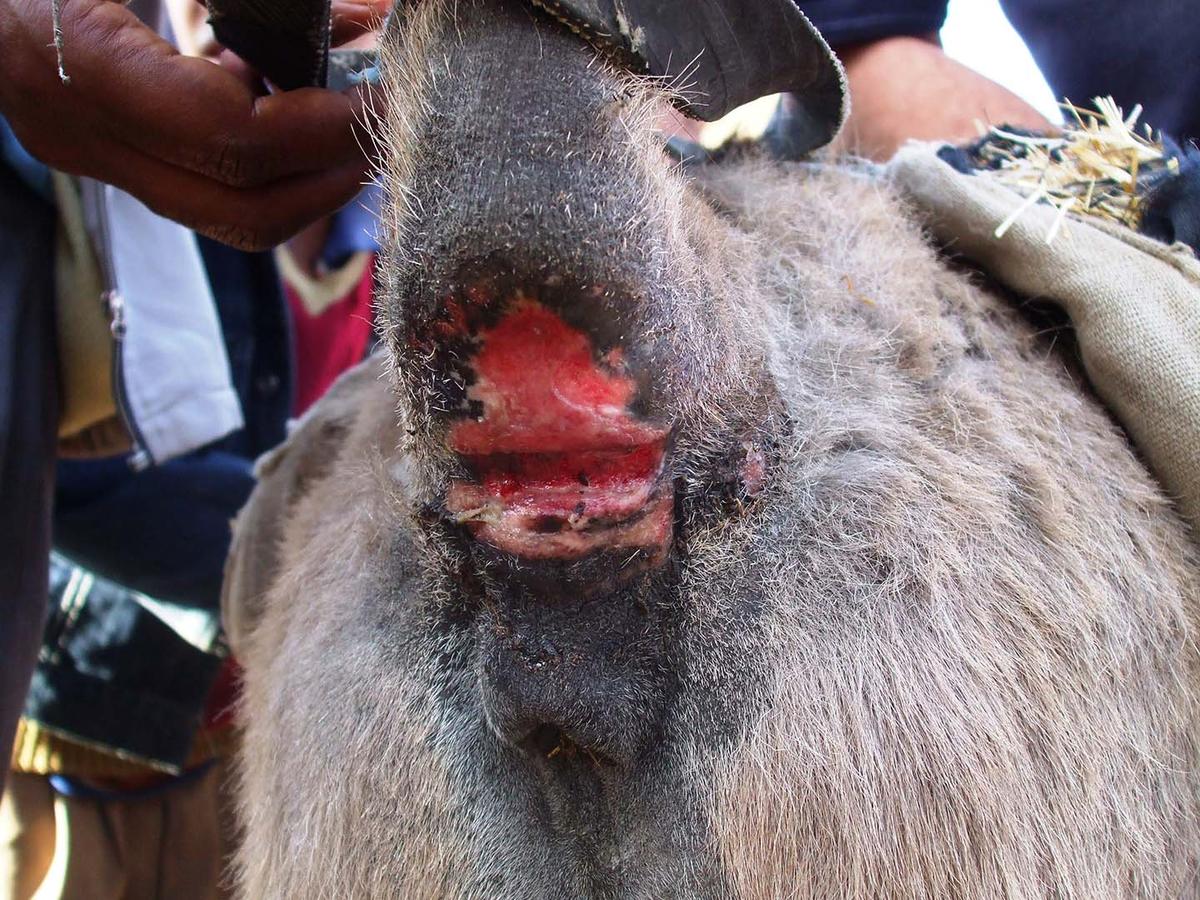
these help hold the saddle in place and prevent forward slippage of saddle and the goods being carried. Breeching straps refer to the straps placed from the base of the pack saddle around the hind quarters of the animal. Tail straps (cruppers) are sometimes also used for additional stability and go from the top of the saddle under the tail. Thin ropes will cause deep wounds (figure 7), where a tight nylon rope was used.
Assessing a pack saddle for fit
When assessing a saddle there are a number of considerations - clearly an expert in the field will have a lot of extra detail to add, but as a vet or technician we should be aware of the basics.
Shape of saddle; most pack saddles are not designed for one animal and are not flexible to accommodate changes in the body shape and size of the wearer. However the slope of the saddle should mirror the slope of the equine’s back to ensure load transfer away from the spine. The frame should be checked for symmetry and damage. Wooden frames can break or splinter.
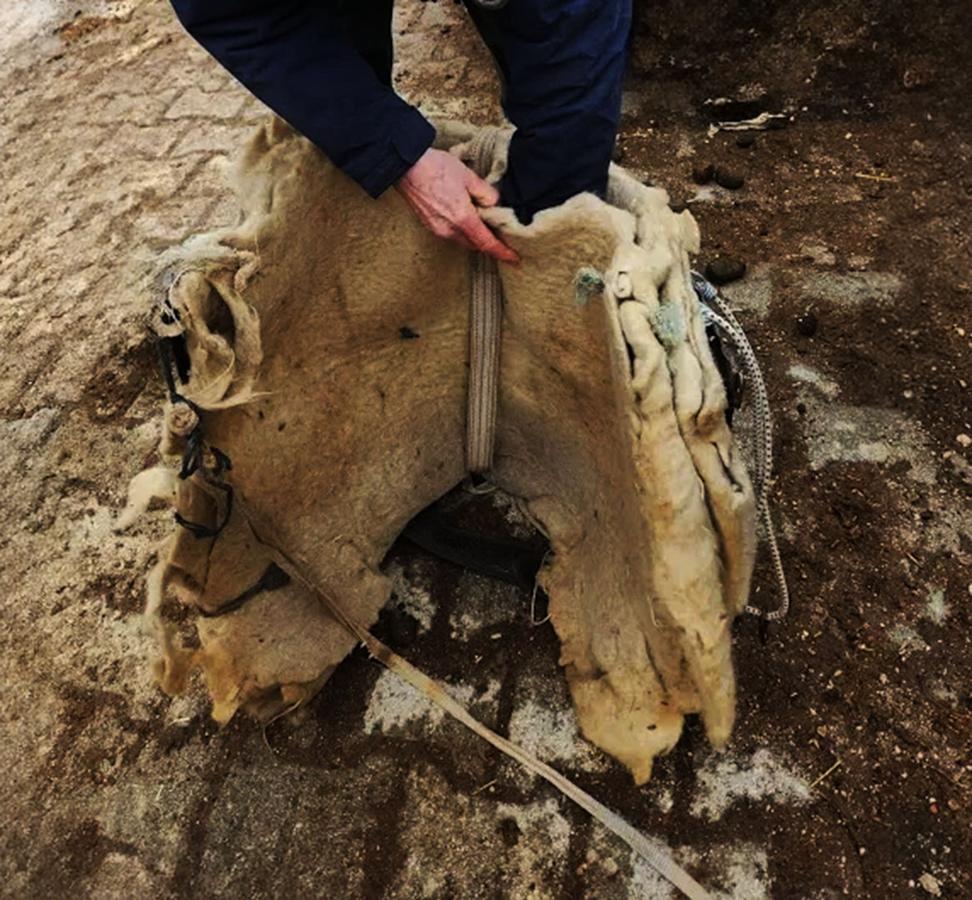
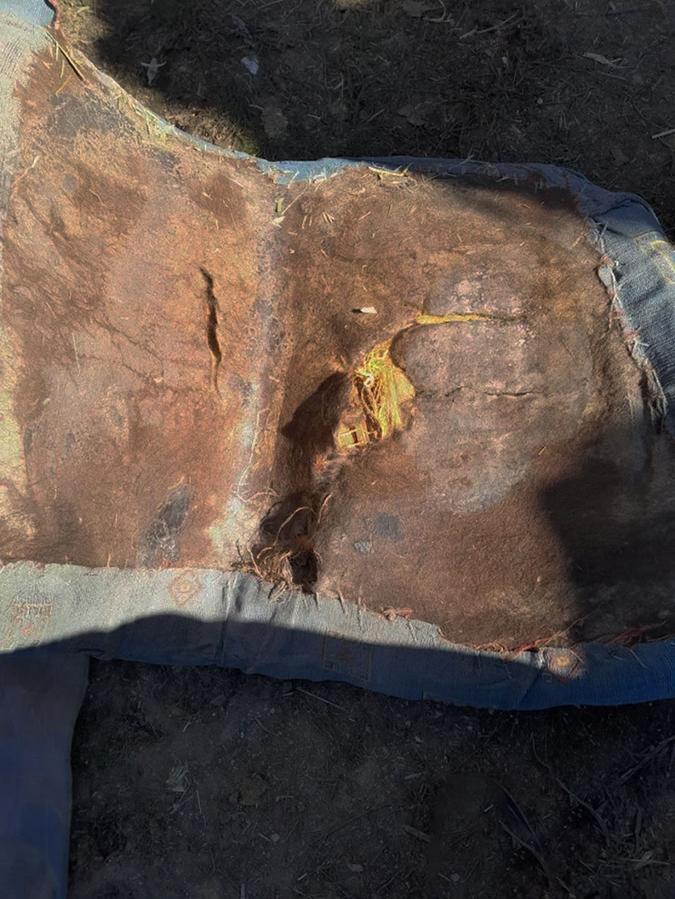
Padding; the difference in shape between the saddle and animal is made up by padding which needs to be at least 2cm thick. The padding should be clean and checked regularly for damage and uneven distribution of material. Figure 8 demonstrates the underneath of a pack saddle where damage to the wool padding is allowing straw to break through. This was associated with a wound in the adjacent area of the donkey’s back. The video below shows an examiner running his hand down the back of a donkey with a pack saddle wound associated with the saddle in figure 8. The donkey shows a clear pain response by dipping his back when pressure is applied.
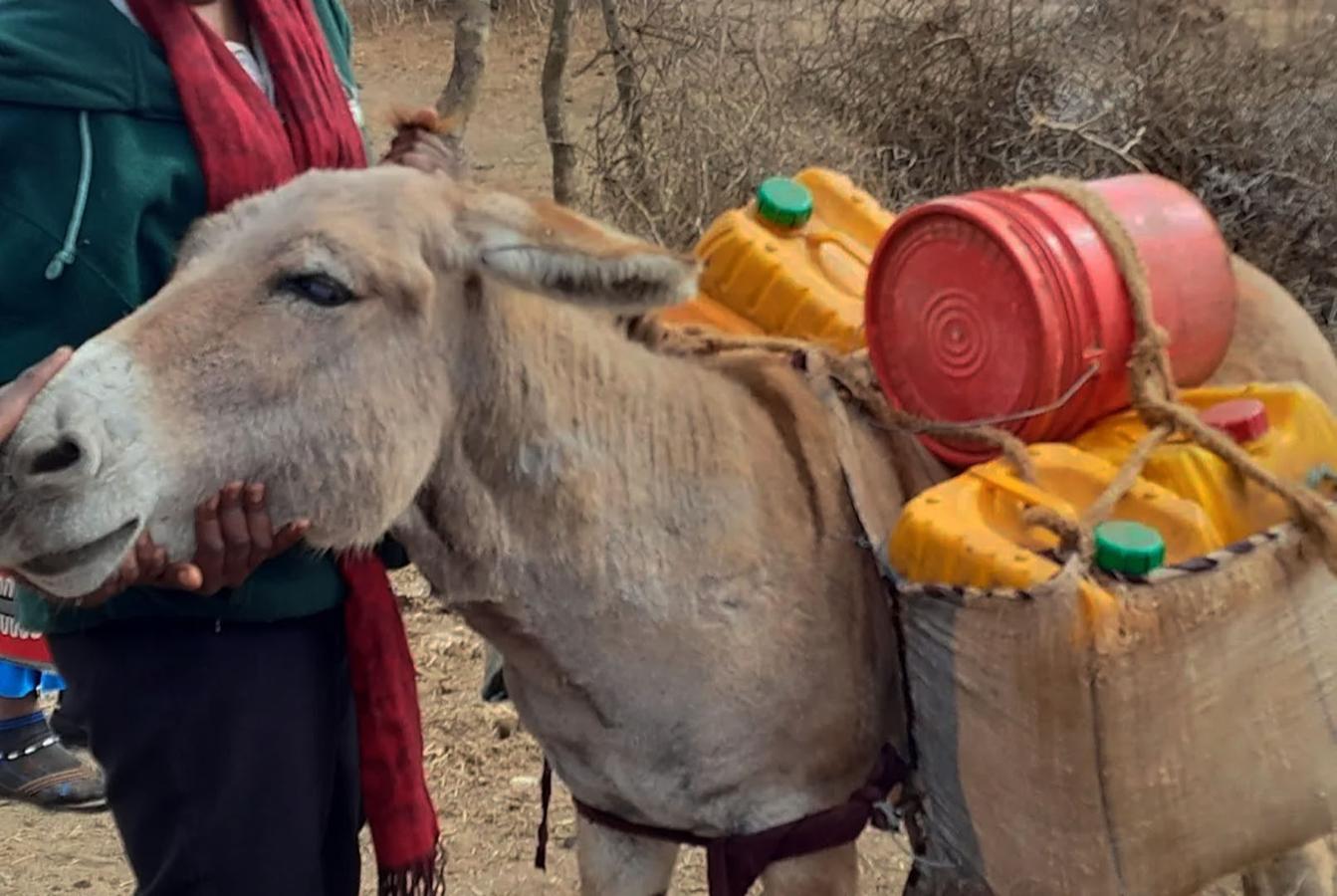
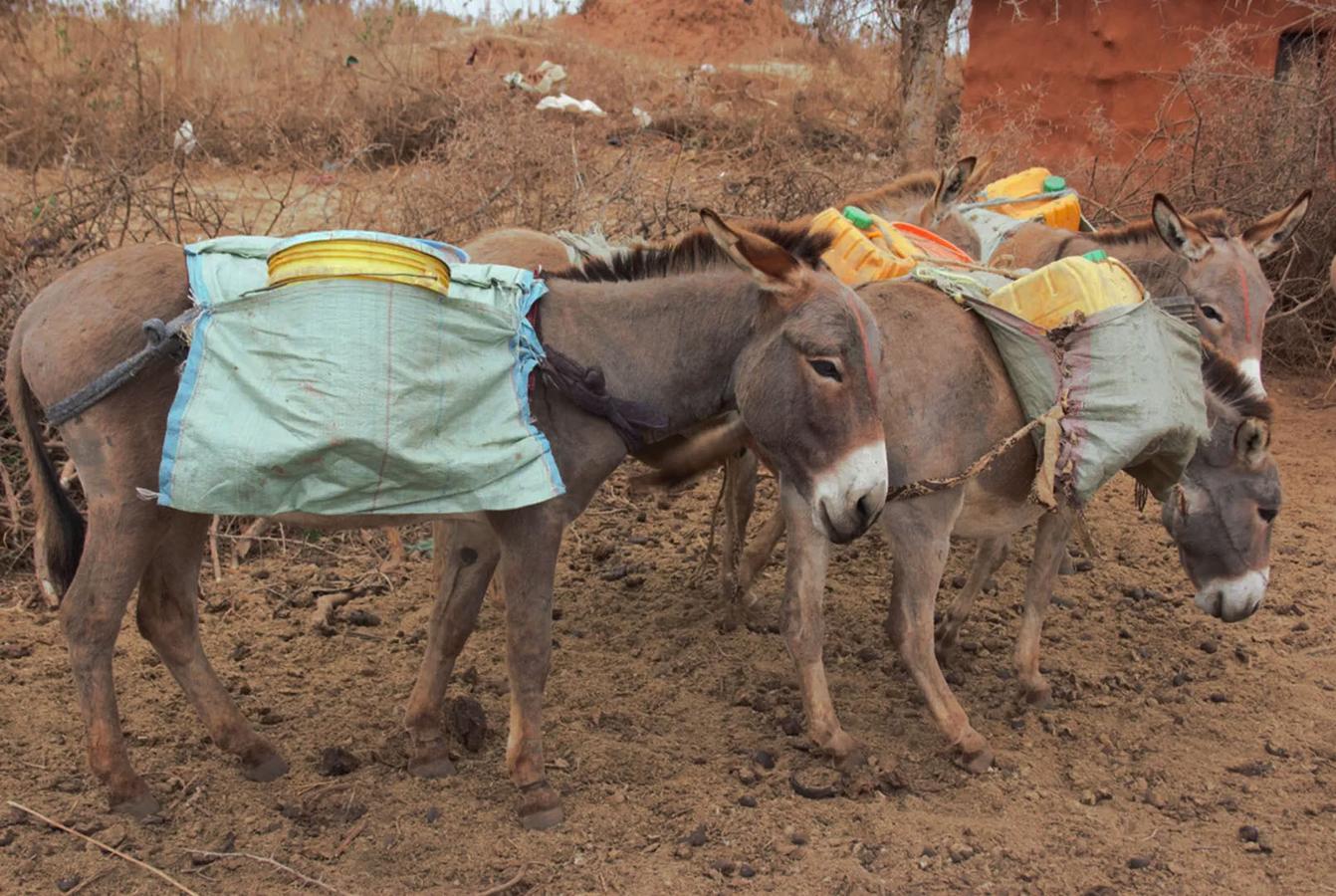
Gullet space; there should be a gap between the saddle and the back of the equine - this is known as the gullet of the saddle. This means that weight should be distributed to the body of the chest, and not resting on the spine. The air gap also allows for ventilation and reduces sweat build up. Home-made pack saddles below (figure 9) are not perfect, but do have padding either side of the spine to reduce the weight of the heavy water containers on this area.
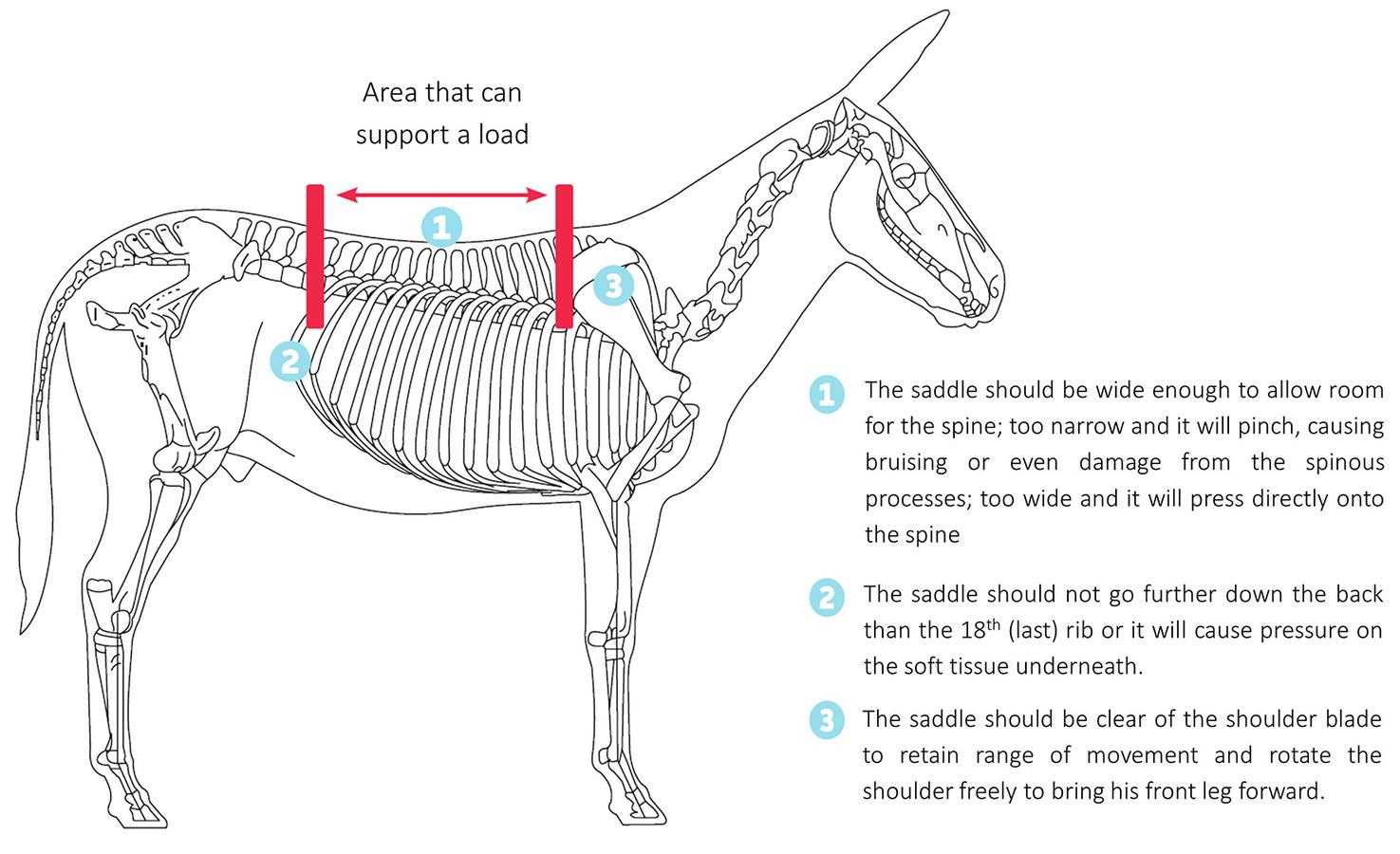
Position; The saddle should not be sited forward of the scapula (shoulder) or behind the last rib. Within the area shown in figure 10 the equine can bear weight well. Caudal to the last rib the load is unsupported by the rib cage, and cranial to the shoulder the load restricts movement. The saddle shown in figure 3 above would restrict the movement of this donkey’s shoulders.
Straps; the girths, breast strap, breeching and tail strap should fit snugly but not be overtight. The breast strap should rest across the widest part of the chest and not restrict breathing or forelimb movement. There should be only about 2-3cm of movement back and forward of the saddle as the equine walks to prevent rubbing Overtightening narrow straps lead to discomfort and wound development.
Problems caused by Pack saddles
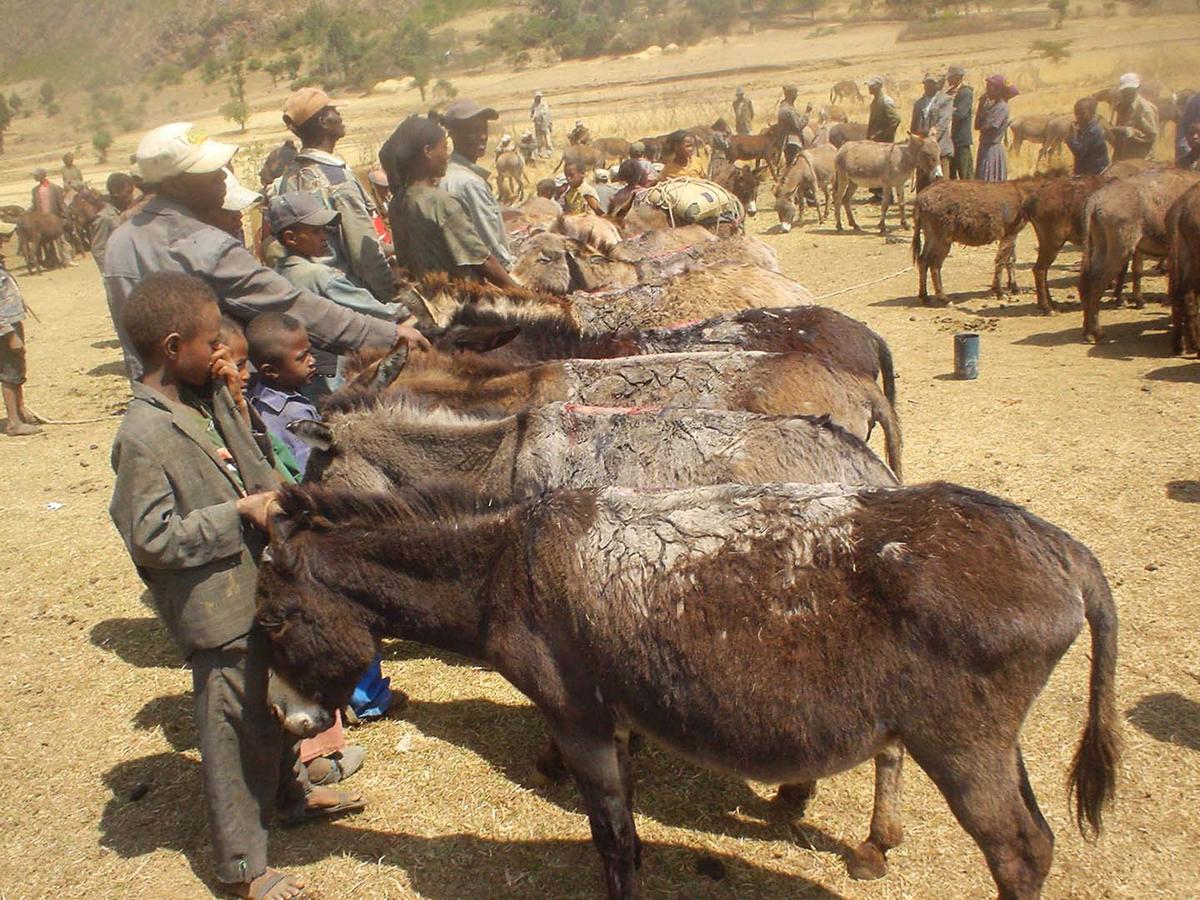
Wounds; Where pack saddles are used by working equines they are associated with a high incidence of wounds. These wounds can be severe and compromise the equine’s welfare and ability to work, however in many situations the owners are unable to rest the animal due to financial constraints. Wounds often occur along the dorsal spine, under the tail and at areas of contact with the girth, breeching and breast straps.
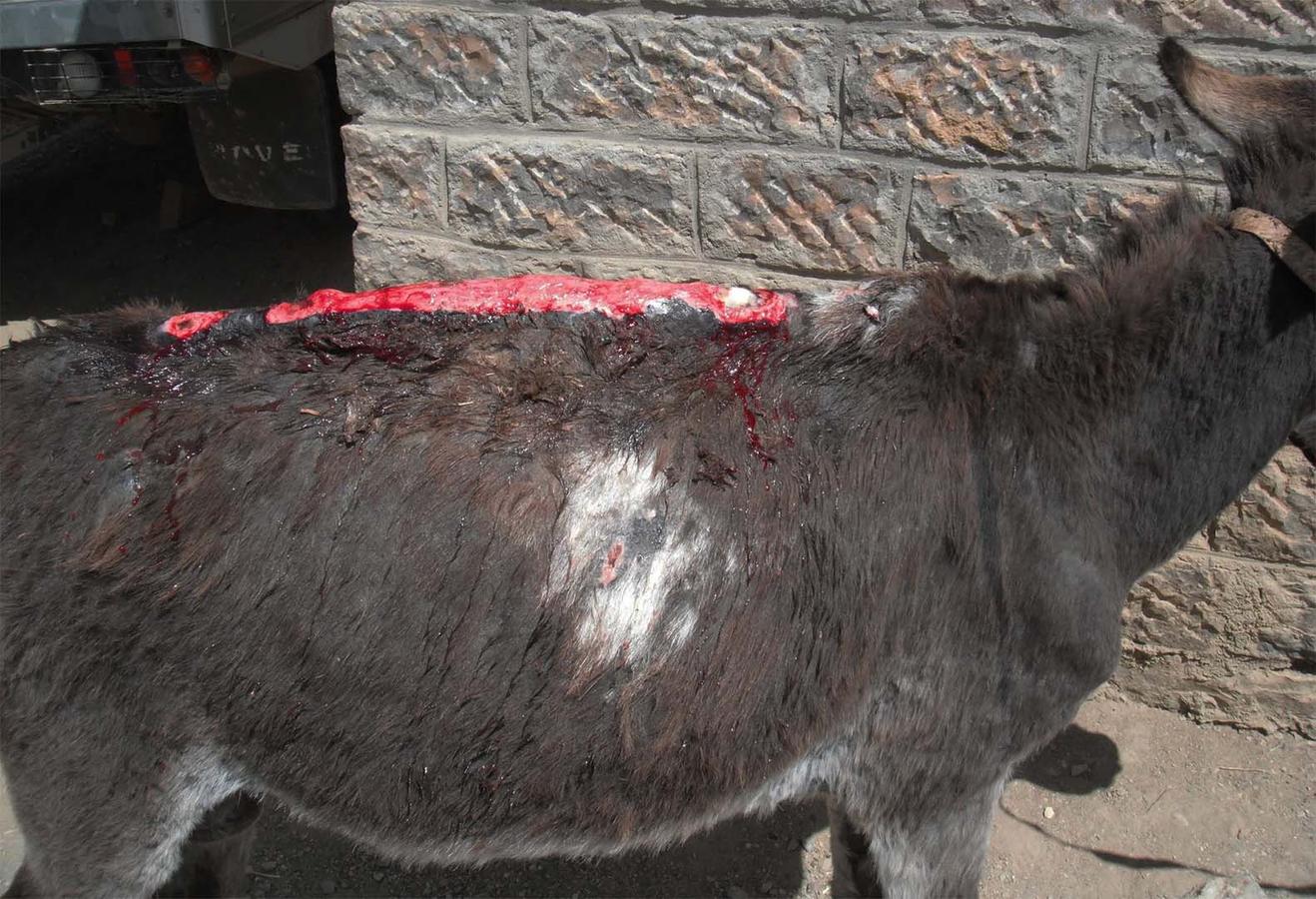
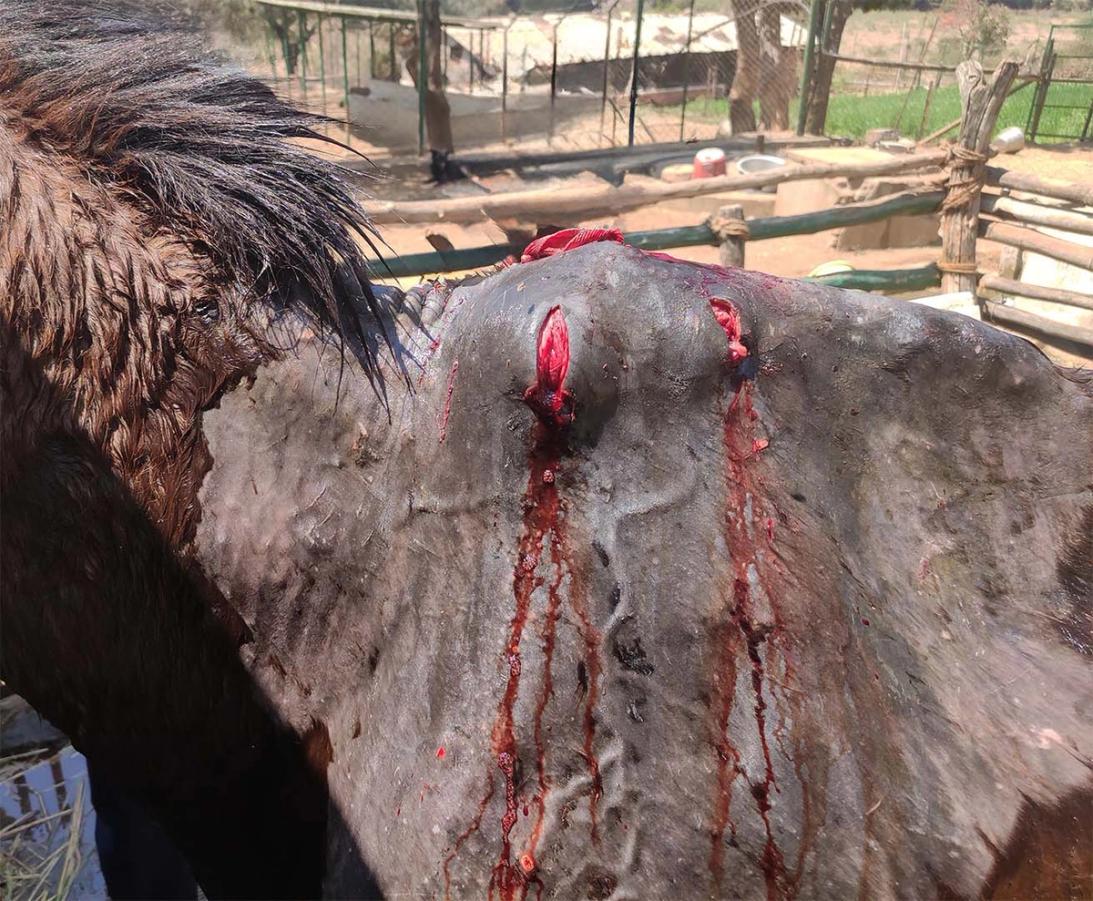
Infections; wounds contaminated with bacteria can lead to Tetanus infection, EZL and sepsis, (figure 13)
Work output is reduced; the affected equine will loose weight and be unable to work well, putting the family that is dependant upon them in financial hardship.
Prevention of pack saddle injuries
Preventing pack saddle injuries requires a community approach. Although veterinary treatment of the wounds is straightforward, long term the problems will repeat unless a number of interventions are put in place. The following factors need to be considered:
Weight of pack; there are basic recommendations in the literature that suggest that an equine should not carry more than 20-30% of its own body weight. This suggestion is based on old data from when horses where used by the military. It is unclear what the weight limit should be but in many cases equines are carrying up to 50% of their weight which can cause exhaustion. What is clear is that the amount carried depends on the fitness, strength, environmental conditions, and body condition of the pack equine, on the amount of rest and the terrrain that the equine has to work on. The working life of the equine will be shorter is it is persistently overworked, however as many equines are sold on to work in other areas this is not always important to the current owners.
Species of equine; donkeys are considered low-value equines and tend to be given less consideration and feed while being worked harder. Mules and horses are also affected but as they are higher-value and 'status', they are often treated better and given better feed and rest.
Pack fit; poorly fitting pack saddles create rubs and wounds. It is essential to examine the skin underneath and pack saddles when checking a working equine. Small rubs such as those in figure 14, can be addressed early and advice given.
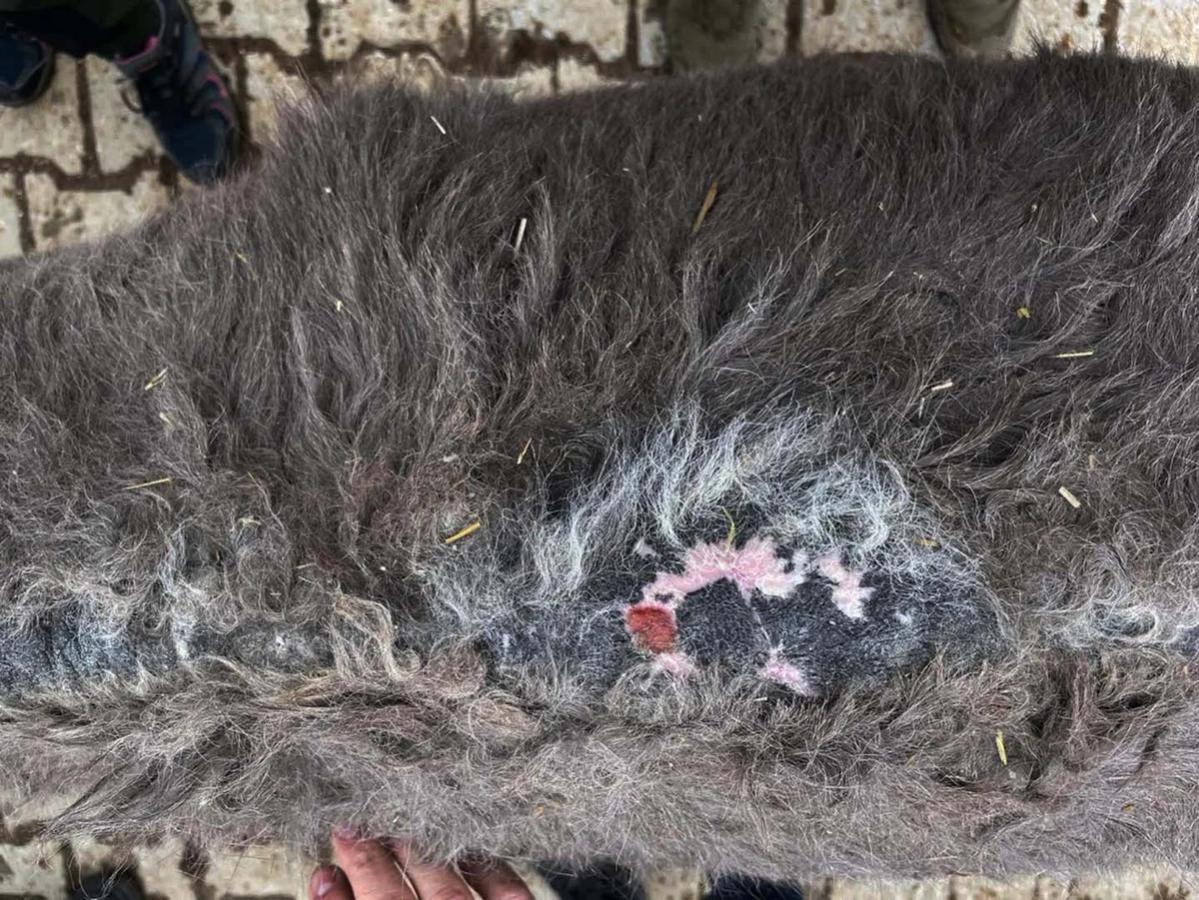
Pack cleanliness; cleaning underneath a saddle and the straps daily and cleaning sweat and dirt from the equine’s skin will help reduce the incidence of pack saddle wounds, and provides an opportunity for the owner to learn daily checking of the skin.
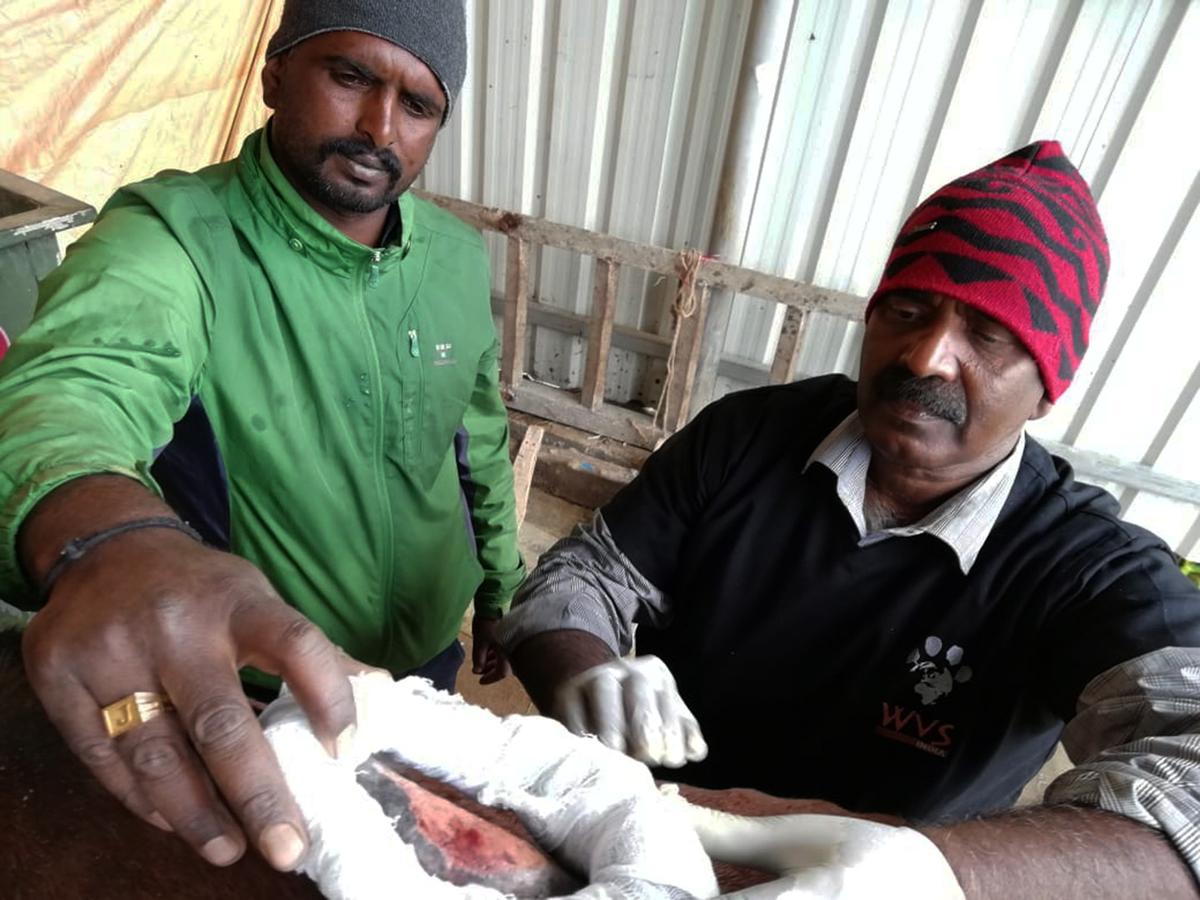
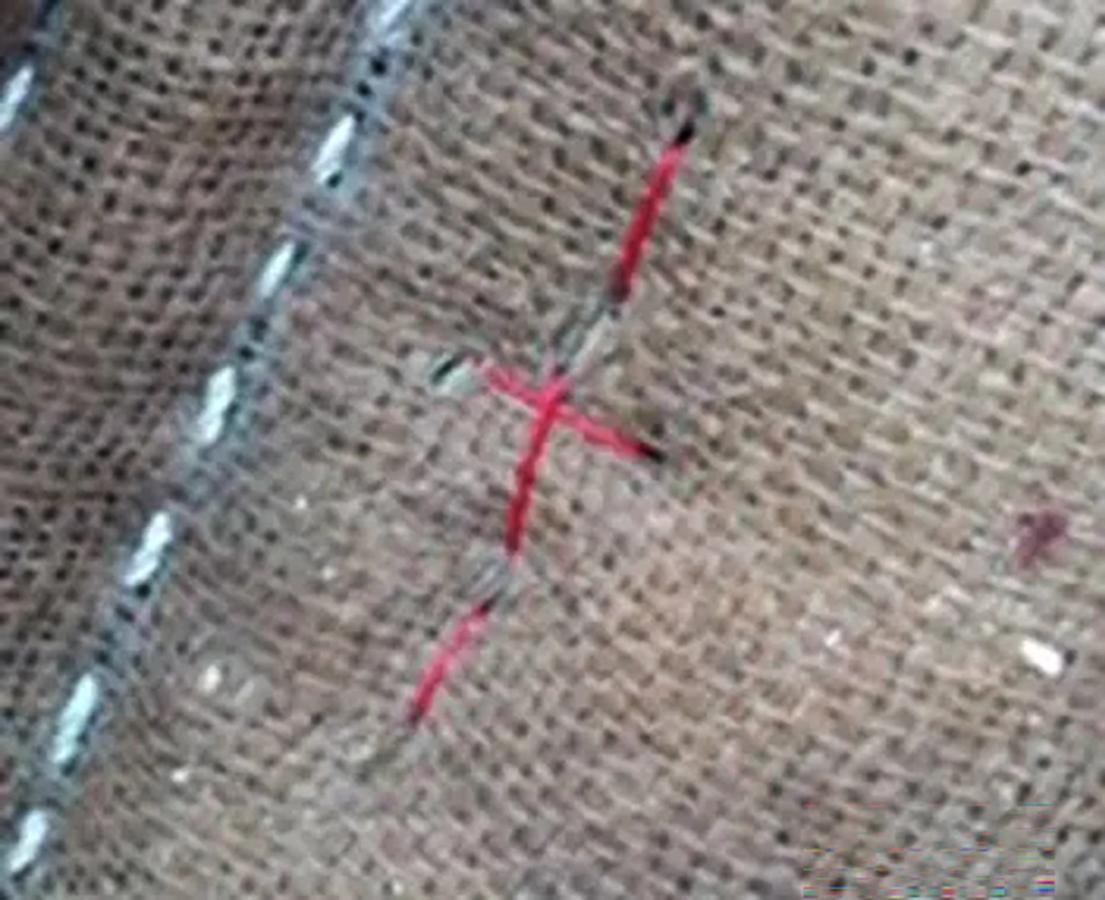
Management of wounds; apart from veterinary treatment, the equine may need to keep working. in these cases some way of distributing weight away from the wounded area is needed. It has been common practice to use ‘doughnuts’ of soft material to alleviate pressure and allow wounds to heal (figure 15). However in some cases this causes redistribution of the weight to the area underneath the ‘doughnut’ and can result in further pressure sores. Alternatively it may be possible to use a strong stitch to pull padding away from the woundes area without major redistribution of weight of the load. The stitch can be removed when the wound has healed (figure 16).
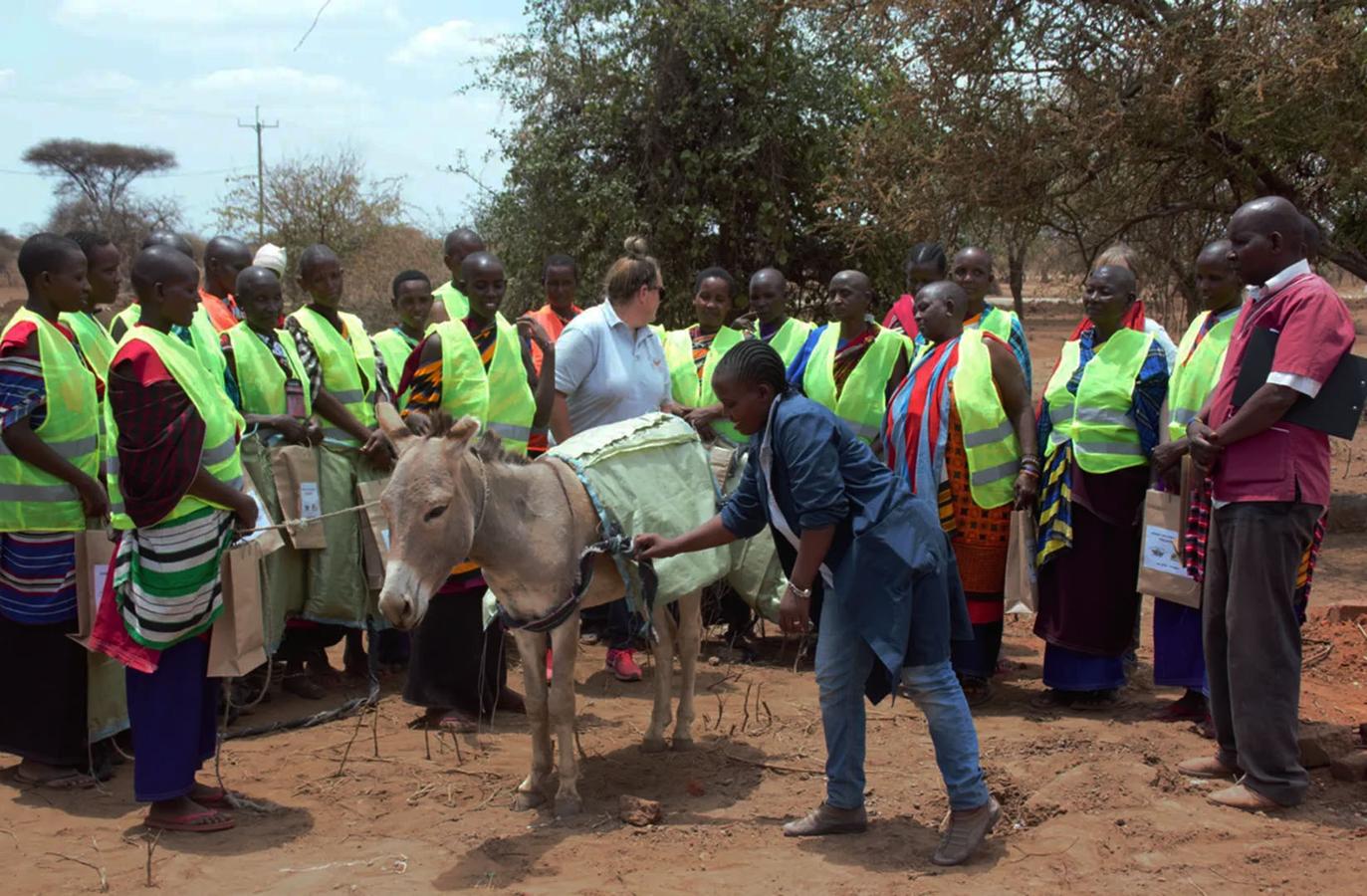
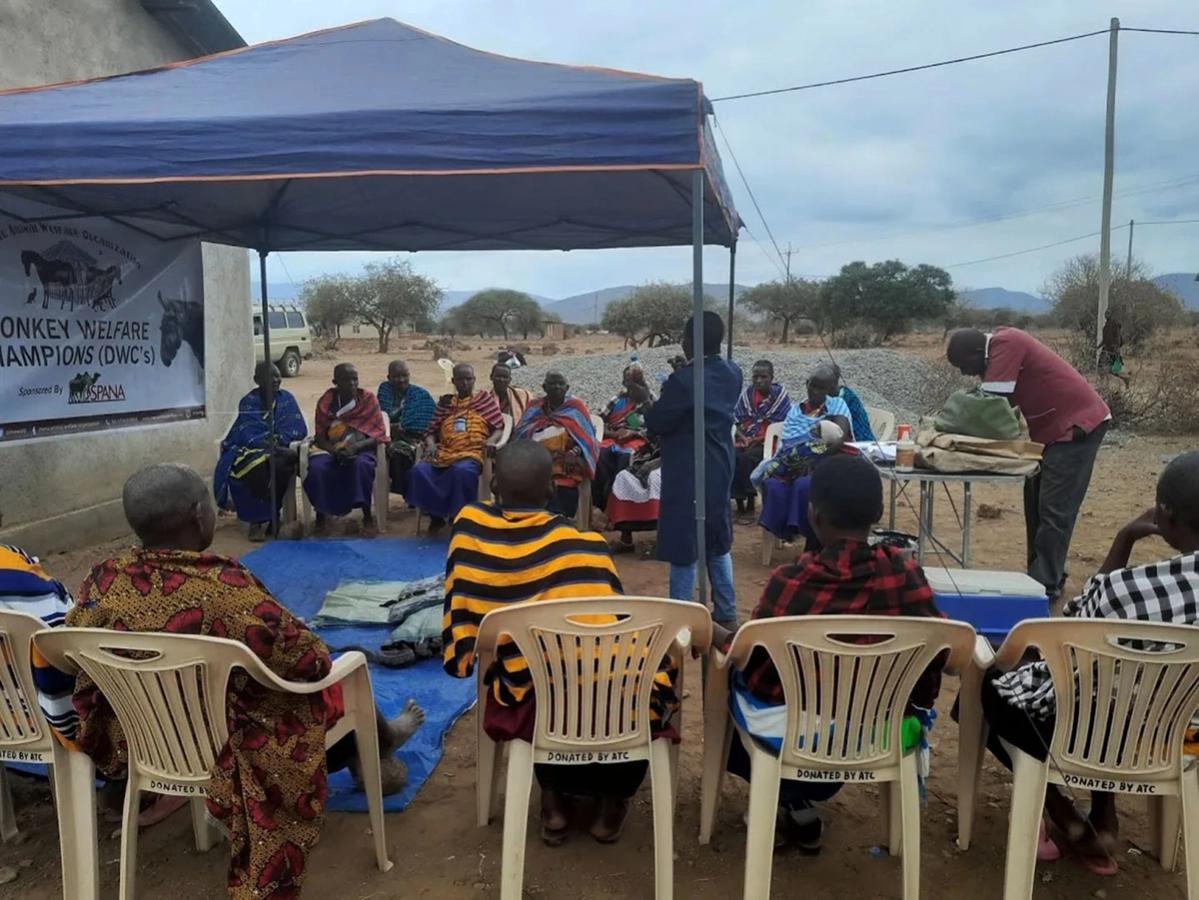
Community involvement and training; Ultimately the users and owners of the equines need to take ownership of the problem and work together to create sustainable solutions. Many communities have highly skilled craftworkers who can adapt their work with guidance. A train-the-trainer approach works best in these situations so that teaching and learning about good pack saddle design becomes embedded in the culture. Figure 17 and 18 show donkey owners participating in a workshop to make and fit packs using locally available materials. Note that in this part of Tanzania working with donkeys is considered women’s work and men would not wish to be part of this learning. This illustrates the importance of understanding the community dynamics when considering an intervention.
📚 There is an excellent free access reference that describes how the use of community based work led to a substantial improvement in donkey welfare, and wounds from harness and pack saddles here
Making a pack saddle
There is an extremely practical and useful resource on line which details how to make a pack saddle out of local, easily affordable materials: