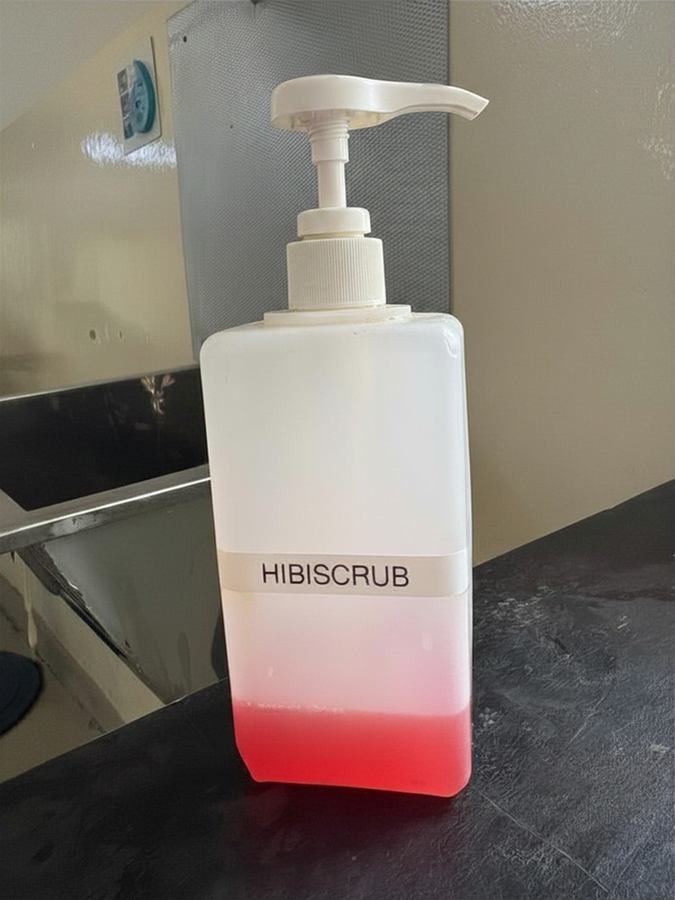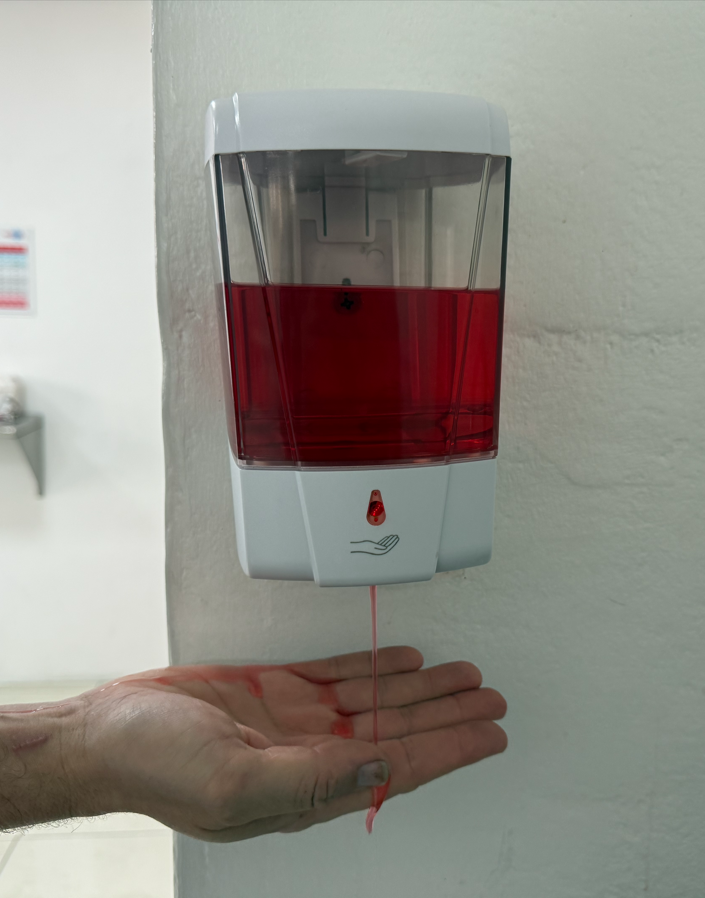

The WHO provides clear guidance on when hand washing is required, in order to prevent the spread of disease. This can be applied to the veterinary context, and we’ve provided some further explanation below.
Hand washing and wearing gloves
Disposable gloves should be worn when the specific task or situation presents a risk of exposure. This includes possible contact with bodily fluids, infectious material or contaminated surfaces, and when the handler has broken skin, such as cuts or scratches.
For routine patient handling, the decision to wear gloves should be based on an individual risk assessment. Consider the patient’s health status, the procedure being carried out, the likelihood of hidden infection or contamination, and your own level of comfort. Gloves may not always be necessary, but good hand hygiene and hand washing is essential before and after handling every patient.
It is also important to remember that gloves can reduce contamination, but they do not replace proper hand hygiene. You should clean your hands before putting gloves on and again after removing them as micro-perforations in gloves, accidental contamination during removal, and contact with surrounding surfaces can still expose you to microorganisms.
Instances to wash hands
(Adapted from the WHO guidelines)
- Before touching a patient or their immediate surroundings: hand hygiene must be performed before any contact with a patient to avoid transferring pathogens from your hands to the animal or their environment. This applies even if the contact appears low-risk such as before physical examination, feeding, grooming, or putting on a collar.
- Before a clean or aseptic procedure: wash hands immediately before placing or managing an IV catheter, urinary catheter, feeding tubes, drain management, bandage, wound or dressings. In these instances you are breaching the animal’s normal defences (such as the skin), and could easily seed infection in a vulnerable area of the body if your hands are not clean.
- After any exposure to bodily fluids: hands must always be washed after cleaning up, handling or being exposed to bodily fluids, including urine, faeces, vomit, saliva, or blood. This also applies after cleaning up spills or handling contaminated equipment, tools, or materials.
- After touching a patient: after any direct contact with an animal. This applies to all forms of physical interaction such as examinations, restraint, grooming, or even stroking/petting. It also includes handling items on the animal’s body like bandages, IV catheters, or collars.
- After touching a patient’s surroundings: even if you haven’t touched the patient directly, microbes can be picked up from surfaces in their immediate environment or surroundings. Hands should be cleaned after contact with the animal’s cage, items such as bedding, toys, food bowls, collars, or any surfaces the animal has been in contact with.
Method
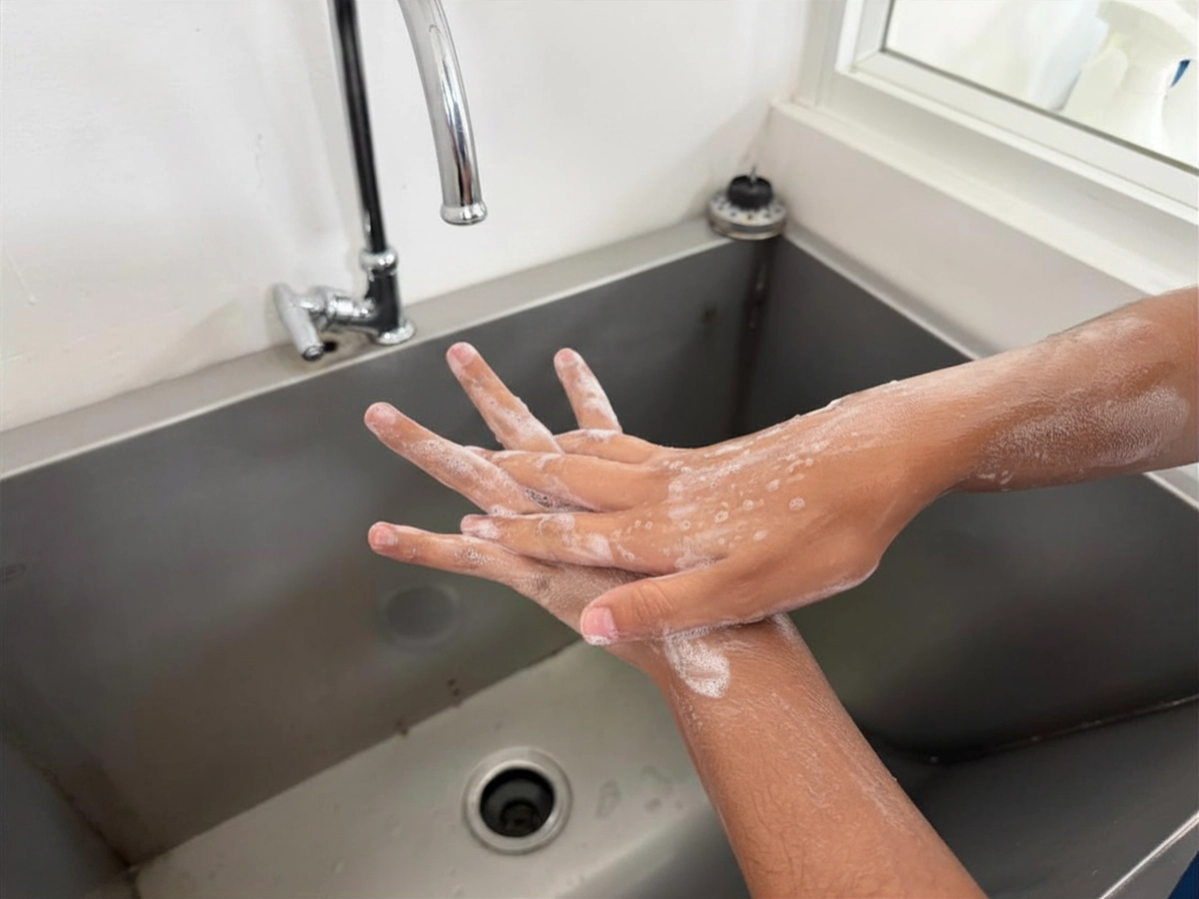
To wash your hands properly, use enough soap to cover your hands and wash for at least 20 seconds. Ensure you wash all parts of your hands including your thumbs, which are commonly missed.
Liquid soap vs bar soap?
Liquid soaps are preferred as they reduce the risk of harbouring contaminants. Note that re-fillable liquid soap containers must however be cleaned regularly, as this can also serve as a source of contamination if left uncleaned.