

In the 1890s, seven principles of surgery were proposed by a human surgeon, Dr William Halstead; these principles are still as relevant today as they were then. They clearly define the criteria necessary to minimise trauma and prevent wound infection.
Whatever type or level of surgery being performed, and whichever species is undergoing the surgery, it is important to follow these principles to ensure a positive surgical outcome.
Halstead's Principles of Surgery
Gentle tissue handling and anatomical dissection of tissue, including appropriate use of instruments. Minimising the degree of damage to tissues by handling them with care will reduce the level of pain and discomfort experienced by the patient, and reduce unnecessary tissue trauma that can potentially cause secondary complications.
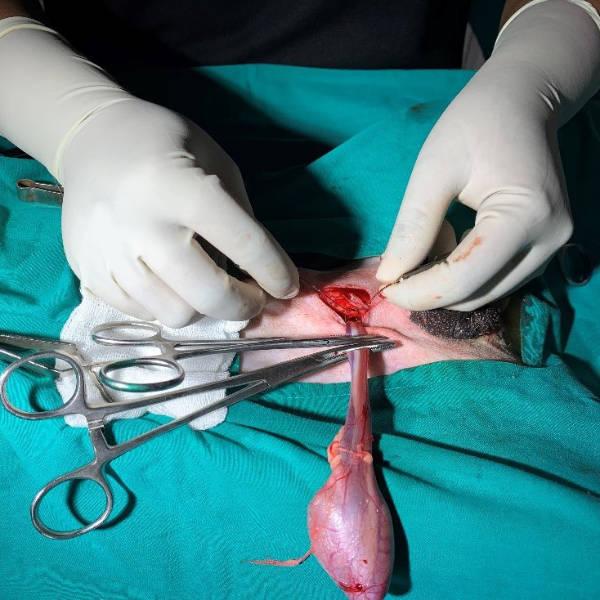
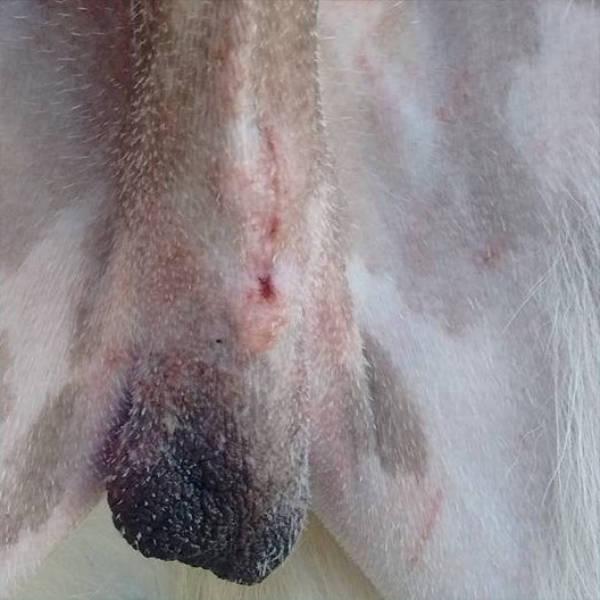
Effective haemostasis through the skilful use of ligatures, suture material and clamps. Haemostasis is the process that arrests bleeding, and it is the first stage in the wound healing process (Figure 1).
Preservation of blood supply through the correct use of clamps and careful
dissection which will promote rapid healing. Blood supply to tissues is critical in ensuring the delivery of oxygen and nutrients and the removal of waste products, which will support wound healing.
Minimise tissue tension through correct selection of suture materials, suture patterns and the skilful placement of sutures. The degree of tension in a suture is an important factor in the process of wound healing. If there is too much tension, blood flow is restricted which may result in necrosis. This will result in wound breakdown.
Elimination of dead space by closure of the appropriate number of layers, and by the use of drains, where required. Dead space occurs when there is a space remaining in the tissues that results from the failure to properly close each tissue layer effectively. This enables the accumulation of blood or serum which can reduce the rate of wound healing and support bacterial infection. If closure of dead space by suturing is not possible, consider using a surgical drain.
Accurate tissue apposition by bringing the edges of tissues together neatly. This is achieved by the correct selection of suture materials and suture patterns and correct placement of sutures (Figure 2).
Strict asepsis by applying techniques and using protective equipment to minimise the risk of infection.
In addition to these principles, we can add a few more of our own!
Appropriate use of additional medications. Use multimodal analegesia for every surgical procedure. If antibiotics are required, use them responsibly and appropriately.
Prevention of tissue dessication. Always keep exposed tissues moist using sterile swabs soaked in sterile saline.
Swab count. Always count the number of swabs used before and after surgery to ensure that none have been left inside the patient by accident.
Surgical access. Always make a surgical incision large enough for sufficient access and/or visualisation. This will be affected by the surgeon's degree of experience and the setting. Whilst too small an incision can lead to mistakes due to poor visualisation, a small incision reduces pain and wound area for infection to occur.
Remember, as a veterinary surgeon, if you do one thing, then do no harm!