

Most wound infections occur at time of surgery in the post-operative period. Aseptic techniques minimise the amount of bacteria on the surfaces of living tissues, such as the surgical site, but they cannot be eliminated completely. At a low level of contamination, a wound is unlikely to become infected; it is only when bacterial levels rise to a critical level that an infection establishes (Figure 1).
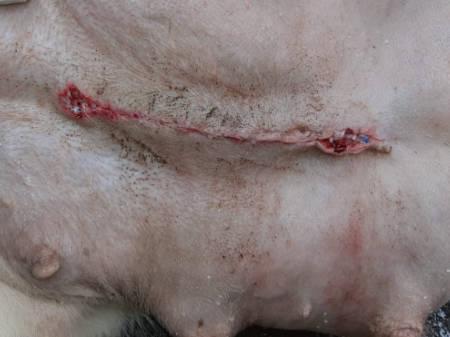
It is much easier to prevent a wound from becoming infected than it is to treat it.
Factors affecting wound healing
There are various factors that can influence the likelihood of a wound becoming infected:
Host resistance
The ability of an animal to fight an infection will be reduced by factors influencing the immune system, such as in elderly or very young animals, those with concurrent disease (e.g. diabetes mellius, hyperadrenocorticism) or those with a low or high body condition score (such as malnutrition or obesity respectively).
Local effects within the wound
Factors will interfere with healing at a local level. These are avoidable by careful management of the wound by the veterinary staff. These include:
Foreign material. Such as hair or inappropriate choice of suture material.
Inflammation. Inflammation due to rough tissue handling, such as use of rat-tooth forceps on the skin will increase irritation and risk of infection.
Contamination. Inadequate aseptic preparation of the skin or break in aseptic technique during surgery will introduce bacteria directly into the wound.
Devitalised tissue. Reduced blood supply or necrotic material in the wound.
Dead space. Poorly apposed tissues within the wound enable pooling of fluid and chances of seroma or haematoma formation.
The type of bacteria
The most common bacteria associated with surgical wound infections are Staphylococcus pseudintermedius, Staphylococcus aureus, Pseudomonas aeruginosa, Streptococcus pyogenes and Escherichia coli. Virulence, number of bacteria, and the time since the wound was contaminated, can all influence the risk of infection.
Length of surgery
A surgical procedure of 90 minutes duration has shown to be associated with a two-fold increase in risk of infection, as compared to surgery that lasts 60 minutes. Furthermore, each additional hour of surgery doubles the risk.
Type of surgery
The degree of contamination of the surgical site will be affected by the type of surgery. Spay-neuter surgeries are classified as 'clean' and therefore the risk of contamination is low. In 'clean-contamination' or 'dirty' surgeries, the inherent risk of contamination is greater and so the risk of infection in these animals is increased.
The goal of any surgery is a healthy wound that heals rapidly without complications (Figure 2).
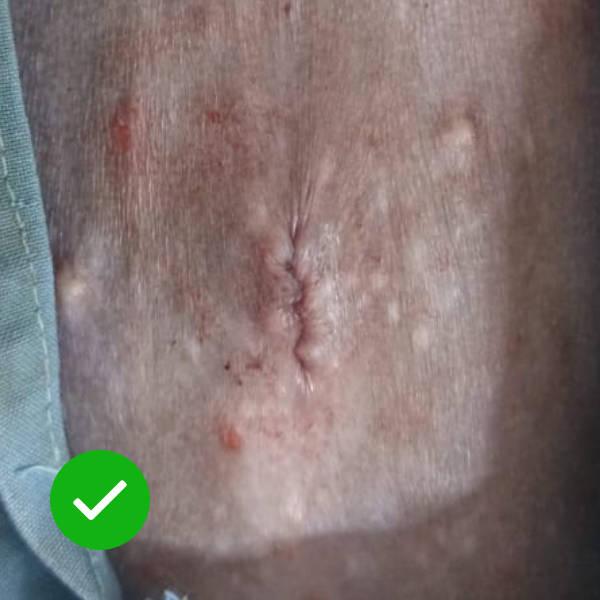
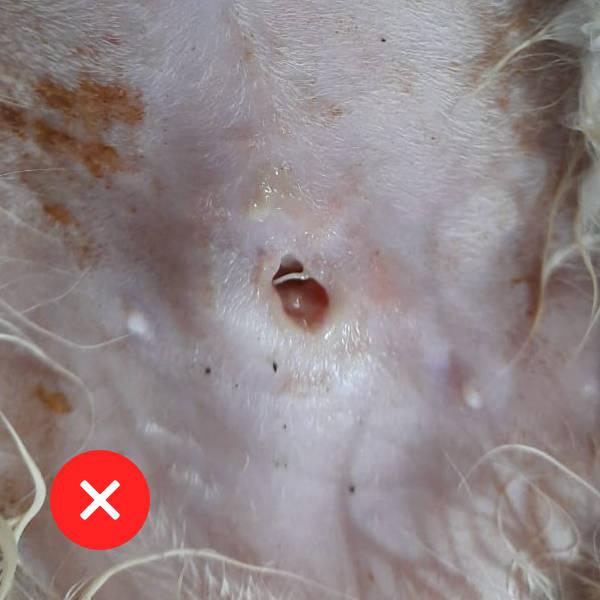
Figure 2 - Comparison of an uninfected and infected wound. The wound on the left is healing well with no signs of infection. Conversely, on the right, the surgical wound is swollen, reddened and has opened completely, with a purulent discharge. This animal requires systemic antibiotics and intensive wound management.
Remember, it is critically important not to rely on the routine use of antibiotics to prevent wound infections. Antibiotics are not a substitute for poor aseptic practice.