
Kennels used for patients with suspected or confirmed infectious disease, including temporary isolation areas, require enhanced cleaning and biosecurity measures to reduce the risk of disease transmission. Cleaning protocols should take into account the pathogen involved, as some infectious agents, including canine parvovirus and dermatophytes (ringworm), can persist in the environment despite routine cleaning.
The same core principles apply as for standard kennel cleaning, but additional precautions are required, including appropriate PPE, waste handling and disposal, and measures to prevent cross-contamination. Disinfectant selection and use is also important: products must be effective against the pathogen of concern and used at the recommended concentration and contact time.
Our article on common disinfectants covers the main compounds available and their effectiveness against different pathogens.
Cleaning while the patient is housed
The same three categories of cleaning apply as for routine kennel cleaning: spot cleaning, full cleaning and deep cleaning once the patient has vacated the kennel.
While an infectious patient remains in the kennel, cleaning should be carried out as needed while minimising unnecessary movement of the patient and the spread of contamination. Opportunities to carry out a full clean may therefore be more limited than in general patient areas.
Deep cleaning
Once an infectious patient has vacated the kennel, a thorough deep clean should be completed before the kennel is used by another animal.
Particular care is needed following contamination with pathogens that can persist in the environment, such as canine parvovirus. Depending on the pathogen and the products available, repeated or multistage cleaning and disinfection may be required.
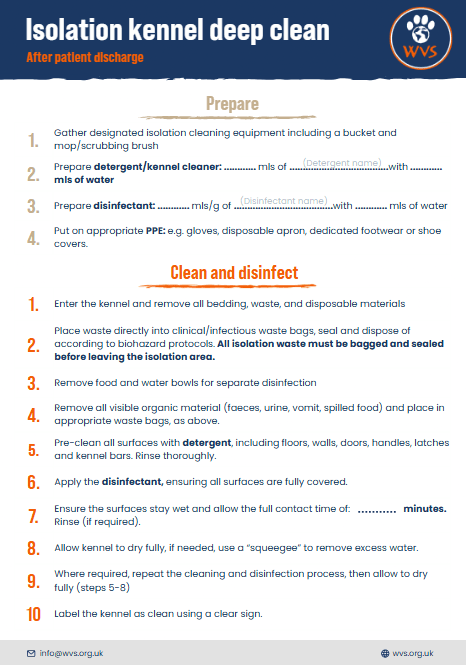
Step-by-step kennel cleaning
- Gather all designated isolation cleaning equipment, such as a bucket, mop and brushes.
- Prepare the detergent and an appropriate disinfectant effective against the pathogen of concern, following the manufacturer's instructions for dilution and use.
- Put on appropriate PPE, such as gloves, a disposable apron or designated scrub top, and dedicated footwear or shoe covers.
- Enter the kennel and remove all bedding, waste and disposable materials.
- Place waste directly into the appropriate clinical/infectious waste bags. Seal and dispose of it according to local biohazard waste procedures. All isolation waste should be bagged and sealed before it leaves the isolation area.
- Remove food and water bowls and any other reusable items for separate cleaning and disinfection.
- Remove all visible organic material, including faeces, urine, vomit and spilled food.
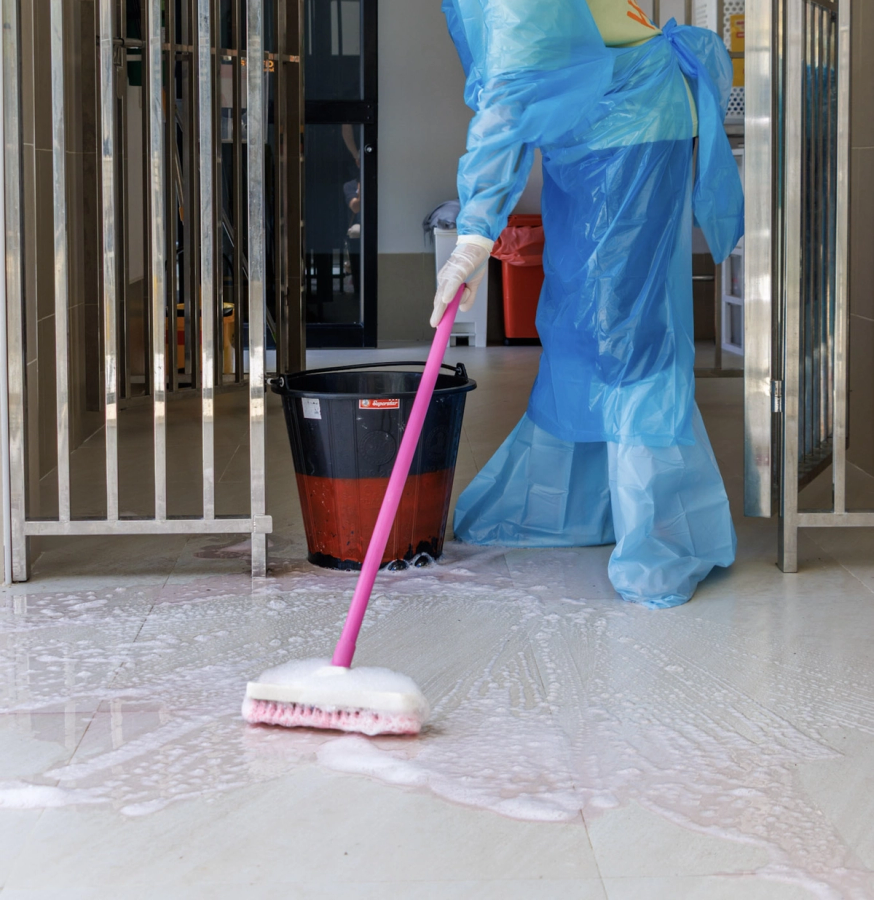
- Thorough cleaning with detergent is essential, as organic material can reduce the effectiveness of many disinfectants. Pre-clean all surfaces with detergent, including:
- Floors
- Walls
- Doors and handles
- Latches
- Kennel bars
- Any other contaminated surfaces
- Rinse thoroughly, where required.
- Apply the appropriate disinfectant, making sure all required surfaces are fully covered.
- Allow the disinfectant to remain in contact with the surfaces for the recommended contact time for the product and pathogen being targeted.
- Rinse if required.
- Allow the kennel to dry fully.
- Where needed, repeat the cleaning and disinfection process.
- Allow the kennel to dry fully before reuse.
- Clearly label or identify the kennel as clean and ready for use according to local clinic procedures.
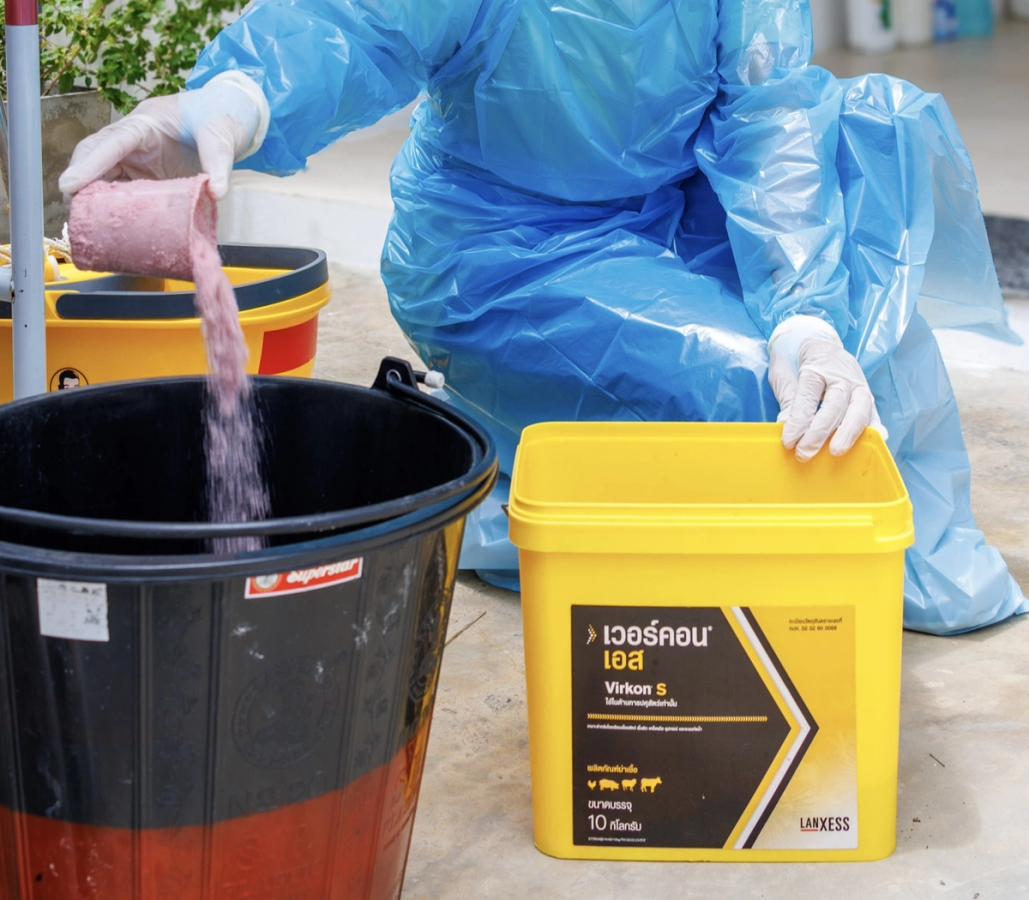
Dedicated cleaning equipment
Isolation kennels must always be cleaned using dedicated cleaning equipment to prevent cross-contamination with general areas.
Separate mops, buckets, brushes and brooms should be used only within the isolation area and should never be shared with other areas of the clinic. All equipment should be clearly colour-coded (e.g. red for isolation) and/or labelled “Isolation Use Only” so that it is easy to identify and is not used inappropriately. Isolation cleaning supplies should also be stored separately from standard cleaning equipment and should not be transferred between areas.
Where possible, avoid reusable fabric cleaning items such as cloths, as these can be more difficult to clean and disinfect effectively.
Cleaning reusable equipment
Reusable items from the isolation area should be cleaned and disinfected separately from equipment used in general patient areas.
- Remove any visible organic material.
- Clean thoroughly using detergent.
- Rinse as required.
- Apply an appropriate disinfectant, following the manufacturer's recommended concentration and contact time.
- Rinse if required.
- Allow the item to dry fully before reuse or storage.
Items such as food and water bowls, toys and other reusable equipment should not be returned to general use until cleaning and disinfection have been completed.
Bedding and laundry
Textiles used by animals in isolation or with suspected or confirmed contagious disease must be handled separately from general laundry and with appropriate infection-control precautions.
- Wear gloves when handling contaminated bedding and remove visible waste before laundering.
- Avoid shaking bedding or textiles, as this may spread contaminated material into the environment.
- Do not mix isolation laundry with general laundry.
- Place contaminated laundry directly into a designated container or laundry bag for transport.
- If a disinfectant pre-soak is needed, choose a product that is appropriate for the suspected pathogen and the fabric. For example, suitable items may be soaked in a 1:10 bleach solution (1 part bleach to 9 parts water) for 10–15 minutes before washing.
- Wash according to the clinic's isolation laundry protocol.
- Dry items thoroughly before reuse.
For more information on laundry procedures, see our article here.
Isolation kennel deep clean protocol
Download our customisable protocol sheet for deep cleaning isolation kennels, here.
Download