
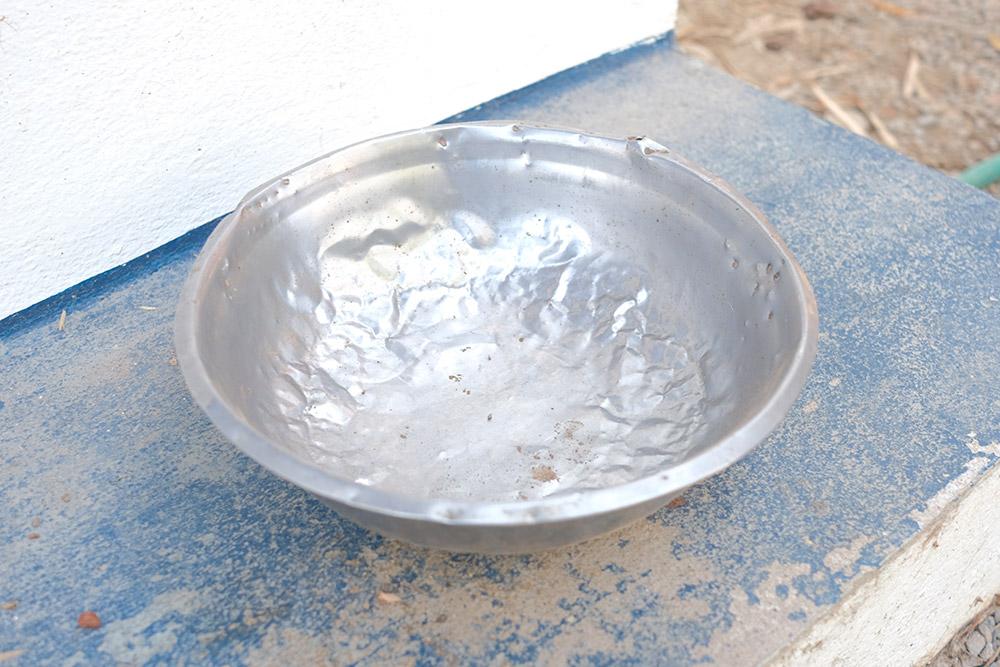
Withhold feed. For non-emergency investigations, this is done by the owner for at least 6 hours prior. This ensures an empty stomach, which improves the diagnostic power of abdominal radiographs. It means abdominal organs are not obscured by stomach contents. Withholding food is also important when using sedatives and/or general anaesthetic, as an empty stomach minimises the risks of aspiration pneumonia.
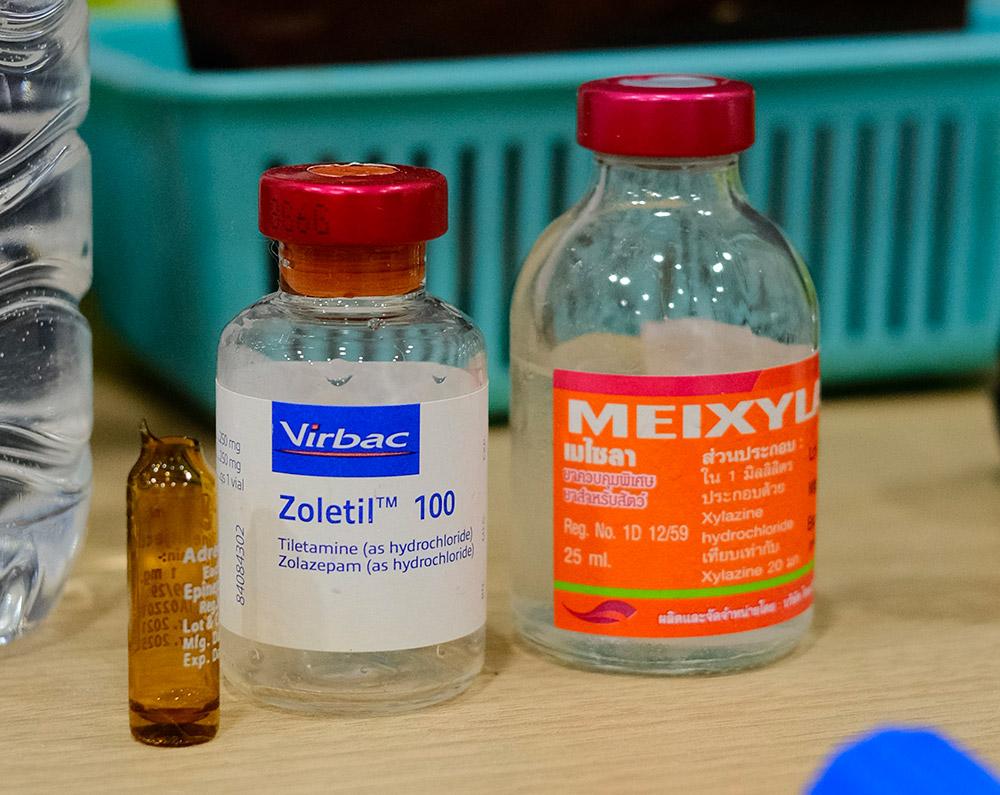
Sedation/ General Anaesthetic. This may be necessary to allow easy manipulation and proper positioning for radiographs. This should be tailored to the animal; a relaxed animal that stays in position with positioning aids may not require any sedation. On the other hand, sedation may be necessary to get images of diagnostic quality in an excitable or axious dog. Physical and chemical restraint should be minimised by taking things slowly and reading the patient’s temperament.
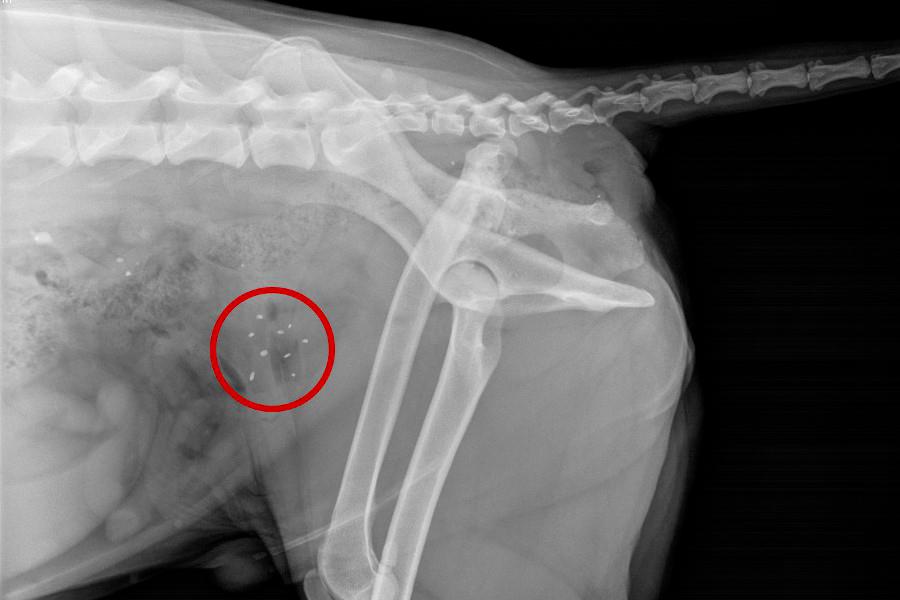
Clean dirty patients. Dirt on patients’ fur may cause artefacts on radiographic images, reducing their diagnostic quality. This is because dirt absorbs x-rays, and so will result in areas of radiopacity (whiter areas). Water can also cause artefacts in the x-ray image, and so patients should be clean and dry prior to taking the images.

Plan projections and positioning. The clinician radiographs different parts of the body with different views (see next article), centred to include certain organs. Based on what is being investigated, the clinician should plan the views and patient positioning accordingly before the patient is moved into the x-ray room.