
Digital Radiography
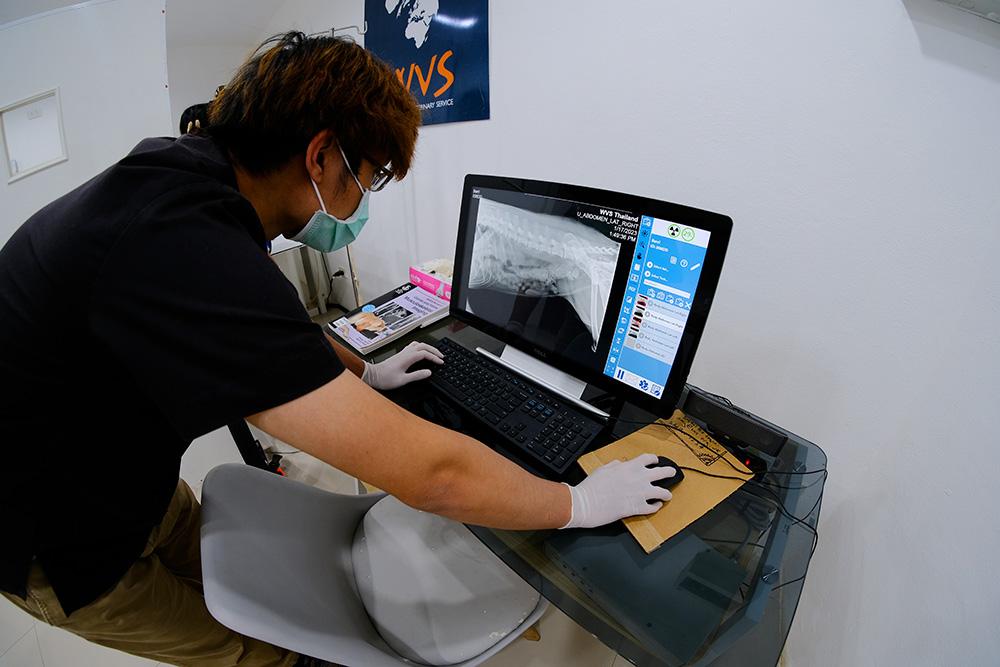
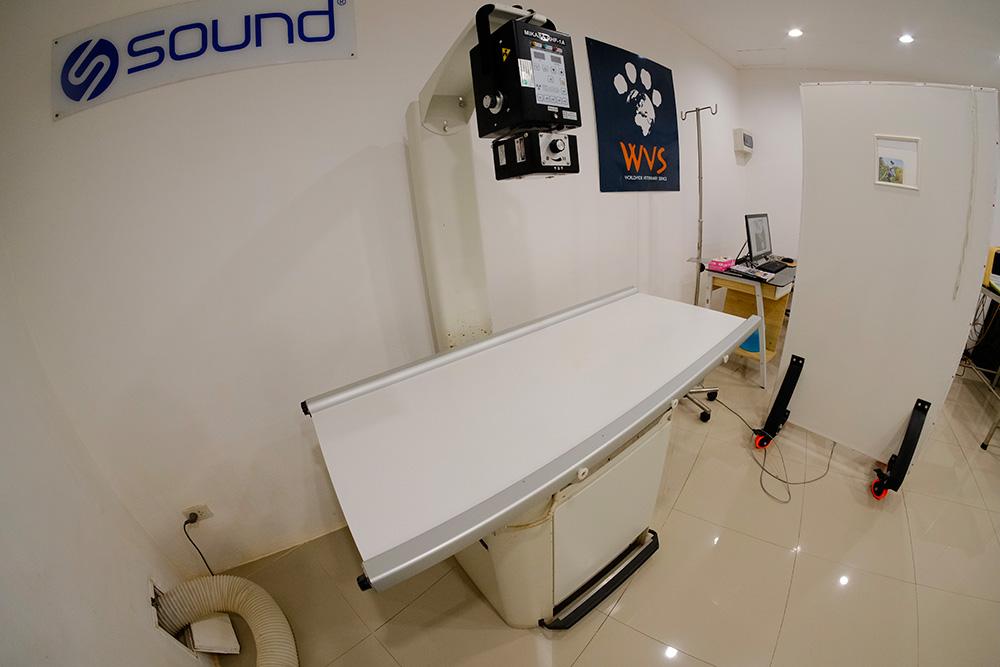
Most modern x-rays are performed with digital machines. The cassettes (which register the image) are reusable and so radiographs can be taken again if the exposure settings were sub-optimal. Furthermore, images can be viewed straight away, and it allows for digital editing to improve contrast and brightness. It also lets images be quickly shared via email for a second opinion or to show owners. The initial set up cost is expensive; however, it doesn't require film replacement and as such is often cheaper to run in the long run.
When taking an image, radiation hits the digital cassette and is converted to an electrical signal which is then digitised, ready to be transferred to a computer for viewing.
Film Radiography
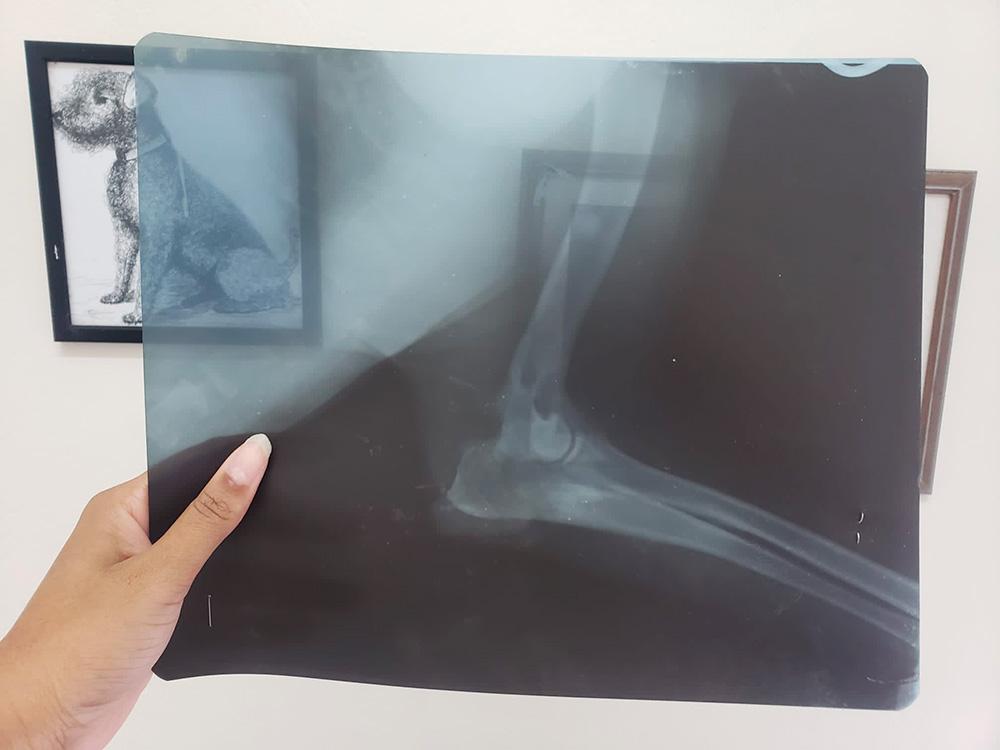
Film allows good quality images to be obtained. However, there is less room for error as these radiographs must undergo chemical processing before they can be viewed by the clinician. Furthermore, film is single use, meaning a new film slide must be used for each radiograph, which is time consuming and expensive.
The image is registered by photons (radiation) hitting the film and triggering a chemical reaction which alters silver particles within the film. Chemical developing is then performed in a dark room to produce an image which is visible to our eyes.